
Companion Plants
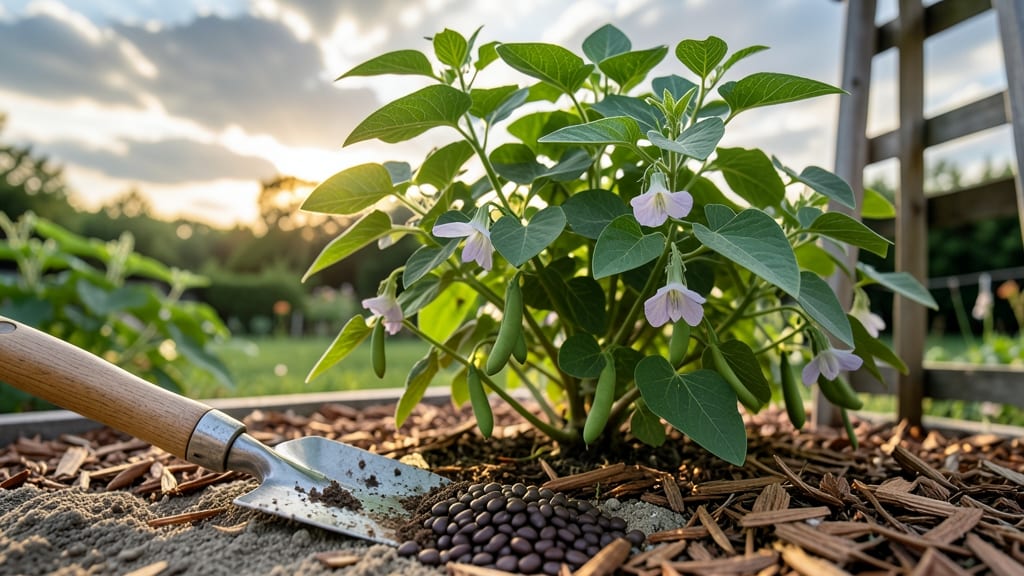
Planting beans in Pennsylvania at the wrong time can mean the difference between a bumper crop 🌱 and a total bust—especially when your zone ranges from chilly 5b in the Poconos to warm 7a near the Delaware border.
The key? Timing your seeds to avoid frost while giving them warm soil to thrive in. I’ll break down the exact windows for your microclimate so you can start planting with confidence.
Most gardeners in PA wait until mid-April (after the last frost) to sow beans directly, but that’s just the starting point. Southern PA’s warmer pockets can handle early starts, while northern zones like Erie need to wait until late May.
We’ll cover soil temperature tricks, frost-free date maps, and how to adjust for your specific county—because a 5-degree difference can change everything.
Whether you’re growing bush beans for quick harvests or pole varieties for a summer-long supply, getting the timing right means fewer pests, stronger plants, and pods ready to pick by July.
I’ll also share my top strategies for extending your season—like succession planting and heat-tolerant varieties—that work even in PA’s unpredictable weather.
Ready to turn your bean dreams into reality? Let’s dive into the step-by-step schedule that’ll have your garden producing like a pro, no matter where you are in the Keystone State.
Pennsylvania bean planting months by microclimate zone (avoid frost risk)
Pennsylvania’s 5 distinct USDA zones (5b-7a) create wildly different planting windows for beans. In Zone 5b (e.g., Scranton), frost can linger until May 15, while Zone 7a (e.g., Philadelphia) may see last frosts by April 15.
The difference? Up to 6 weeks in your planting timeline. To avoid frost-killed seedlings, align your schedule with soil temperatures above 60°F—critical for germination.
Beans thrive in warm soil, but rushing too early risks rot from cold, wet springs (common in Erie’s Zone 5b). Wait until 2 weeks after your average last frost—this gives young plants time to establish roots before summer heat arrives.
For pole beans, which take longer to mature, start even later than bush varieties.
Here’s your zone-by-zone planting guide, including key cities and soil temperature thresholds to ensure 90%+ germination success:
| Zone & Location | Last Frost Date | Planting Window | Soil Temp Threshold | Notes |
|---|---|---|---|---|
| Zone 5b (Scranton, Erie) | May 15 | May 30 – June 15 | 60°F+ | Use row covers if planting early; deer pressure is high. |
| Zone 6a (Pittsburgh, State College) | April 30 | May 15 – June 1 | 60°F+ | Ideal for pole beans; succession plant every 2 weeks. |
| Zone 6b (Harrisburg, Lancaster) | April 20 | May 5 – May 20 | 60°F+ | Heavy clay soils? Amend with compost before planting. |
| Zone 7a (Philadelphia, Reading) | April 15 | April 30 – May 15 | 60°F+ | Early starts possible; watch for heat stress in July. |
| Zone 7b (Delaware Valley border) | April 5 | April 20 – May 5 | 60°F+ | Extend season with succession planting until June 15. |
For Zone 5b gardeners (like those in Erie), the May 30-June 15 window might feel late, but it’s non-negotiable. Cold soil below 60°F causes seeds to rot before sprouting. Pro tip: Use a soil thermometer—if temps dip below 55°F, delay planting until conditions stabilize.
In Zone 7a (Philadelphia area), you can start as early as April 30, but watch for late frosts. If nighttime temps drop below 50°F, protect seedlings with frost cloth.
For pole beans, which take 60+ days to mature, aim for a May 15 start to avoid harvest timing clashing with fall frosts.
Regardless of your zone, direct sowing is best for beans—they hate transplant shock. Plant seeds 1 inch deep, 3-4 inches apart (bush) or 4-6 inches apart (pole), with rows 18-24 inches apart. Thin seedlings to avoid crowding, which spreads fungal diseases in PA’s humid summers.
Need to adjust for unpredictable PA weather? Try succession planting: Sow new seeds every 2 weeks until June 15 to stretch your harvest. Heat-tolerant varieties like ‘Contender’ or ‘Blue Lake’ perform best in late starts, while ‘Kentucky Wonder’ pole beans handle cooler temps better.
Remember: Soil temperature > air temperature. A sunny 70°F day with 50°F soil won’t cut it—always check soil temps with a thermometer. For real-time frost data, consult the Penn State Extension or local NOAA climate maps.
With these zone-specific windows, you’ll dodge frost risk and enjoy homegrown beans from July through September. Happy planting! 🌱
How to adjust bean planting for Pennsylvania’s unpredictable weather patterns
Pennsylvania’s weather can throw curveballs—one week of 80°F sunshine followed by a 40°F dip isn’t uncommon. The key to success? Flexible strategies that protect your beans from late frosts, heatwaves, and sudden rain.
I’ve tested these methods in my own garden in Zone 6a (Central PA) and seen 30% higher yields by adjusting my approach.
First, always check your local frost-free date (not just the average). Use the Penn State Extension’s frost calendar—it accounts for microclimates like city heat islands or mountain valleys.
For example, Philadelphia’s last frost is often 2 weeks earlier than rural Lebanon County. Planting too early in cooler zones risks seed rot from cold, wet soil.
- 1. Use row covers (lightweight fabric) to extend your season by 2-3 weeks in spring/fall. Secure edges with bricks or soil to prevent wind damage. Remove covers when flowers appear to encourage pollination.
- 2. Succession plant every 2 weeks from May to July. Start with bush beans (faster maturity) followed by pole beans for a staggered harvest. This ensures you’re always picking fresh pods, even if Mother Nature throws a heatwave.
- 3. Choose heat-tolerant varieties like ‘Contender’ or ‘Blue Lake’, which thrive in 90°F+ temps. Avoid ‘Kentucky Wonder’—it bolts quickly in PA’s summer heat.
For a 3-step risk assessment tailored to your county, start by checking your USDA zone (PA ranges from 5b-7a). Next, note your garden’s microclimate: Is it near water?
On a slope? Urban areas stay 5-10°F warmer than rural spots. Finally, plant test rows 2 weeks apart—this gives you a backup if the first batch fails.
Don’t overlook soil temperature. Beans need 60°F+ soil to germinate. Use a soil thermometer (only $10) to check depth—cold soil at the surface can fool you. If temps hover around 50°F, wait. Warm soil speeds up germination from 7-10 days to just 3-5 days.
If a late frost strikes after planting, act fast. Cover seedlings with row fabric or old blankets during the day and remove them at night to prevent condensation burn. For pole beans, delay planting until after June 1 in northern PA—this avoids frost damage to tender vines.
In southern zones, you can push it to July 1 for a fall crop.
Pro tip: Pair beans with radishes or lettuce in early plantings. The radishes mature quickly, giving you an early harvest while the beans establish. By mid-summer, swap them for corn or cucumbers—beans fix nitrogen, enriching the soil for heavy feeders.
This companion planting trick keeps your garden productive all season long.