
Plants
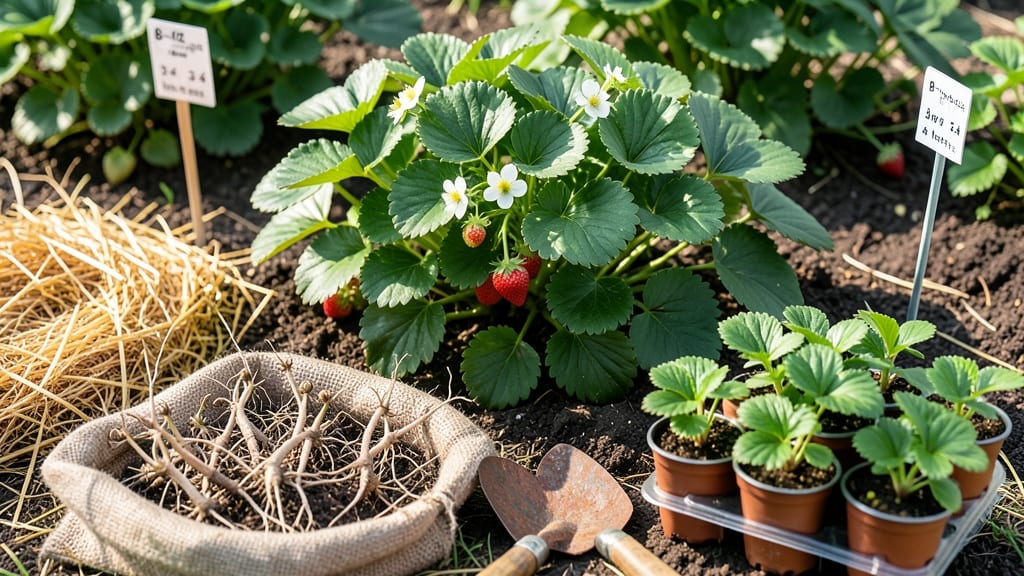
Timing your 🍓 strawberry planting in Virginia’s Heat Zone 7b can mean the difference between a bountiful harvest and a frost-killed disappointment.
Unlike some plants that forgive late starts, strawberries demand precision—plant too early, and a late frost will wipe out your tender seedlings; too late, and summer’s heat will stunt their growth before they even fruit.
Most gardeners in Virginia swear by two ideal windows: early spring (March to April) when soil temperatures hover around 50°F, or late summer (July to August) for fall-bearing varieties that need time to establish roots before winter.
But with Virginia’s unpredictable last frost dates (often mid-April) and sweltering summers, getting the timing right isn’t just about the calendar—it’s about reading your local microclimate.
In this guide, I’ll break down the exact deadlines for planting bare-root and potted strawberries in Zone 7b, plus pro tips to adjust for Virginia’s quirks—like mulching to protect against late frosts or choosing heat-tolerant varieties that thrive in Piedmont’s humidity.
Whether you’re a first-time gardener or a seasoned pro, these strategies will help you avoid common mistakes and maximize your harvest.
Ready to turn your Virginia garden into a 🍓 strawberry paradise? Let’s dive into the science-backed schedule that’ll have you picking ripe berries by late spring or fall—no guesswork required.
Virginia heat Zone 7b strawberry planting deadlines: exact dates for frost-free success
Virginia’s Heat Zone 7b offers a unique growing window for strawberries, where mild winters and warm summers create ideal conditions—but only if you plant at the right time.
The last average frost date in most of Virginia falls between March 15-30, while the first frost typically arrives in mid-November. This means you’ve got two prime planting windows: early spring (for June harvests) and late summer (for fall-bearing varieties).
Bare-root strawberries are the most common choice for Virginia gardeners, but potted plants also work well if planted correctly. The key is avoiding late spring frosts (which can kill new growth) while ensuring enough time for roots to establish before summer heat sets in.
For Zone 7b, this translates to planting 4-6 weeks before your last frost or in mid-to-late July for fall harvests.
| Planting Window | Best Plant Type | Key Deadlines | Frost Risk |
|---|---|---|---|
| Early Spring | Bare-root or potted June-bearing | March 1 - April 15 | Low (after March 15) |
| Late Summer | Bare-root or potted everbearing | July 15 - August 15 | None (harvest before frost) |
| Fall Alternative | Potted day-neutral varieties | September 1 - October 15 | High (use row covers) |
For early spring planting, aim to get your strawberries in the ground by mid-April at the latest. This gives roots time to establish before the soil warms to 50°F (10°C)—the ideal temperature for strawberry growth.
If you’re using bare-root plants, soak them overnight before planting to reduce transplant shock. Potted strawberries can handle slightly later planting (up to April 30) since their roots are already established.
If you miss the spring window, don’t worry—Virginia’s climate also supports late summer planting for fall-bearing varieties. Plant between July 15 and August 15 to ensure berries mature before the first frost.
This method works best with everbearing or day-neutral varieties, which produce fruit continuously throughout the season. Just be sure to mulch heavily to protect roots from summer heat.
The Coastal Plain region of Virginia (e.g., Norfolk, Virginia Beach) tends to have slightly warmer springs, so you can push planting dates 1-2 weeks later than inland areas like Richmond or Charlottesville.
Always check your local USDA frost map or use a frost calendar app to confirm exact dates for your microclimate. For example, Norfolk’s last frost averages March 20, while Charlottesville’s is closer to April 5.
One common mistake is planting strawberries too early in cold, wet soil. Strawberry roots rot easily in temperatures below 45°F (7°C), so wait until the soil is workable and at least 50°F (10°C) at a depth of 4 inches.
You can test this by pressing your finger into the soil—if it feels cool but not icy, it’s ready for planting. Raised beds warm up faster than in-ground soil, making them ideal for early spring planting.
For gardeners in Zone 7b’s northern edge (near the Blue Ridge Mountains), consider using row covers or cold frames to extend the growing season. These protective measures can push your planting window 2-3 weeks earlier in spring or 2 weeks later in fall.
Just remove covers during the day when temperatures rise above 50°F (10°C) to prevent overheating.
Finally, remember that strawberries planted in late summer (July-August) will produce fruit the following spring, not the same season. This is why many Virginia gardeners opt for both spring and fall plantings—to enjoy berries from June through October.
Choose everbearing varieties like Seascape or Tristar for continuous harvests, or stick with June-bearing types like Chandler for a single, massive crop.
With these precise deadlines and Virginia-specific tips, your strawberries will thrive in Zone 7b’s unique climate—delivering sweet, juicy berries from spring to fall. Happy planting! 🍓
How to adjust strawberry planting for Virginia’s unpredictable spring weather
Virginia’s spring weather is famously unpredictable, with late frosts lingering into April while soil temperatures struggle to warm up. If you’ve ever planted strawberries in early March only to watch them freeze under a surprise frost, you know how critical it is to adjust your timing.
The key is balancing soil warmth (at least 50°F) with frost risk—and Virginia’s microclimates (like the cooler Piedmont vs. warmer Coastal Plain) add another layer of complexity.
Most gardeners in Zone 7b play it safe by waiting until mid-April for spring planting, but this can delay your harvest.
Instead, I recommend using a two-pronged approach: either plant bare-root strawberries in early March with protective mulch or opt for potted plants in late April when the frost risk drops significantly. Both strategies work—it’s all about your local frost history and soil readiness.
🌱 Pro Tip: Test your soil temperature with a soil thermometer (aim for 50°F at 4 inches deep) before planting. Cold soil slows root growth, leaving your strawberries vulnerable to frost damage.
If your soil is still chilly, hold off until it warms up—your patience will pay off with stronger plants.
⚠️ Late Frost Warning: How to Protect Your Strawberries
Virginia’s last frost dates can vary by 2-3 weeks depending on your region. If you plant in early spring and a frost hits:
- ✅ Mulch immediately with straw or leaves (3-4 inches thick) to insulate roots.
- ✅ Use frost cloth (lightweight row cover) on nights below 32°F.
- ❌ Avoid watering before a frost—wet foliage freezes faster.
- ❌ Don’t plant too deeply (roots need to access warm soil).
Another smart strategy is to plant in late summer (July-August) for fall-bearing varieties like Chandler or Jewel. These plants establish roots in warm soil and produce fruit the following spring, avoiding the frost gamble entirely.
The trade-off? You’ll miss the first-year harvest, but the second-year yield often makes up for it.
For gardeners in higher-elevation areas (like the Blue Ridge Mountains), err on the side of caution and delay planting until late April or early May. These regions experience later frosts, and strawberries planted too early may not survive. Check your local Cooperative Extension Service for frost data—it’s a game-changer!
Finally, consider container growing if your yard’s microclimate is too risky. Pots warm up faster in spring and can be moved to a sheltered spot if frost threatens. Just ensure they have drainage holes and use a lightweight potting mix to prevent root rot.
🌿 By tailoring your planting to Virginia’s local conditions—whether through mulching, late-summer planting, or container gardening—you’ll turn frost from a threat into a manageable challenge. Next, let’s explore the best strawberry varieties for Virginia’s climate and how to choose the right one for your garden.