
Plants
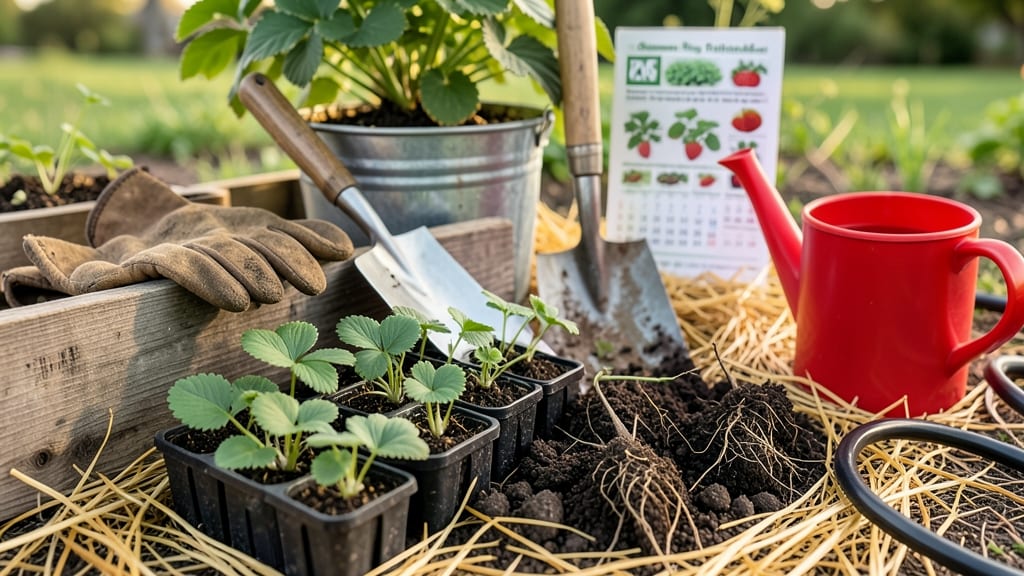
Planting strawberries in Oklahoma isn’t just about grabbing a few plants and sticking them in the dirt—timing is everything to avoid frost-killed starts or wilted disappointment before harvest.
The perfect window depends on your microclimate, whether you’re in the cooler Panhandle (Zone 6a) or the warmer southern reaches (Zone 8a), where last frosts can vary by weeks.
Most Oklahoma gardeners swear by early spring (March-April) for June-bearing varieties, but late summer (July-August) is the secret to a fall harvest. The key?
Planting 4-6 weeks before your last frost date—soil temps matter more than calendar dates, and bare-root plants thrive when the ground warms to at least 50°F.
If you’re new to Oklahoma’s strawberry game, you might be wondering: Why not just plant in February? The answer lies in those unpredictable late frosts—Zone 6a areas can still see 28°F nights in March, while Zone 8a might be safe by early April.
That’s why local experts recommend potted strawberries for a head start or row covers to protect young plants.
In this guide, I’ll break down the exact months for your region, soil prep hacks to outsmart Oklahoma’s heat, and the top 3 varieties that actually thrive here—no guesswork, just juicy results. Let’s get those 🍓 beds planted right.
Oklahoma’s 3 microclimates for strawberry planting: best months by region
Oklahoma’s diverse geography creates three distinct microclimates for strawberry planting, each with unique last-frost dates and heat tolerance challenges. Whether you're in Oklahoma City’s urban heat islands, Tulsa’s humid river valleys, or the Panhandle’s arid plains, timing matters more than you think.
Get it wrong, and you’ll face frost-killed seedlings or sun-scorched berries.
Urban areas like Oklahoma City (USDA Zone 7a) often experience earlier last frosts than rural zones, thanks to the urban heat effect. Meanwhile, the Panhandle (Zone 7b-8a) can swing from freezing nights to 100°F days within weeks.
Let’s break down the ideal planting windows for each region, so you can avoid common pitfalls like overwatering in summer or planting too late for fall harvests.
Pro Tip: Always check your local frost dates using the National Weather Service or Oklahoma Mesonet, as microclimates can shift yearly. For example, Tulsa’s average last frost is March 15, but urban areas may see it 1-2 weeks earlier.
| Region | USDA Zone | Last Frost Date | Best Planting Window | Soil Temp Requirement | Heat Tolerance Tip |
|---|---|---|---|---|---|
| Oklahoma City | 7a | March 10-15 | March 1-15 (Spring) or July 15-August 1 | 45°F+ | Use shade cloth in summer; avoid June-bearing varieties. |
| Tulsa | 7b | March 15-20 | March 15-April 1 (Spring) or July 1-August 15 | 50°F+ | Mulch heavily to retain moisture; everbearing varieties thrive. |
| Panhandle (Amarillo) | 7b-8a | March 20-April 1 | April 1-15 (Spring) or August 1-15 | 55°F+ | Plant in raised beds for heat escape; avoid daytime planting. |
In Oklahoma City (Zone 7a), the spring planting window opens as early as March 1, but urban gardeners should wait until March 10 to avoid late frosts. The city’s concrete heat can push soil temps up faster than rural areas, so bare-root plants may sprout sooner.
For fall harvests, aim for July 15-August 1—any later, and the summer heat will stress the plants before fruiting.
Tulsa’s humid microclimate favors everbearing varieties like ‘Seascape’ or ‘Chandler’, which produce fruit in both spring and fall. Plant March 15-April 1 for spring harvests, or July 1-August 15 for fall.
The Arkansas River valley holds moisture longer, so mulch with straw to prevent root rot during Tulsa’s hot, humid summers.
Gardeners in the Panhandle (Zone 7b-8a) face the toughest heat and wind challenges. The later last frost date (March 20-April 1) means spring planting should wait until April 1-15. For fall harvests, plant August 1-1
How to extend your strawberry season in Oklahoma: frost-proofing & heat hacks
Oklahoma’s unpredictable frost dates and sweltering summers can shrink your strawberry harvest from bountiful to barely there. But with the right strategies, you can push your season 6-8 weeks earlier or 4-6 weeks later than standard planting windows.
The key? Microclimate protection and variety selection tailored to Oklahoma’s USDA zones 6b-8a.
For June-bearing varieties (like Chandler or Jewel), the goal is to protect blossoms from late frosts while everbearing types (such as Seascape or Albion) thrive with heat tolerance hacks.
Whether you’re aiming for a spring bonanza or a fall feast, these methods will keep your berries plump and productive.
Install unheated low tunnels over June-bearing beds in late February (Zone 6a) or early March (Zone 8a). Remove covers by mid-April to prevent heat stress. Ideal for Chandler or Ozark Beauty.
Use floating row covers (not plastic) over everbearing plants until mid-April. Lift covers on warm days (60°F+) to prevent heat buildup. Perfect for Seascape or Fort Laramie varieties.
Apply 4-6 inches of straw mulch in late summer (July) to insulate roots during 100°F+ heat waves. Replenish after harvest to preserve moisture. Works for both June-bearing and everbearing types.
Drape 30-50% shade cloth over beds during peak July-August heat. Remove by late August to rejuvenate foliage before fall fruiting. Critical for Albion or Tristar varieties.
For late-summer plantings, aim for July 15-August 15 in all Oklahoma zones. Choose everbearing varieties like Seascape, which tolerate heat better than June-bearing types. After planting, water deeply every 2-3 days and avoid overhead irrigation to prevent disease spread in humid Oklahoma summers.
Pro tip: Pair shade cloth with drip irrigation to cool soil temps by 5-10°F during heatwaves. This doubles your fall harvest potential while keeping berries sweet and firm. Monitor soil moisture—dry soil = stressed plants, which reduce fruiting.
Finally, prune old leaves in early September to redirect energy to new growth. This extends the season by 3-4 weeks and prevents fungal issues from Oklahoma’s fall humidity spikes. With these hacks, you’ll enjoy strawberries from April through October—no frost or heatwave required! 🍓