
Plants
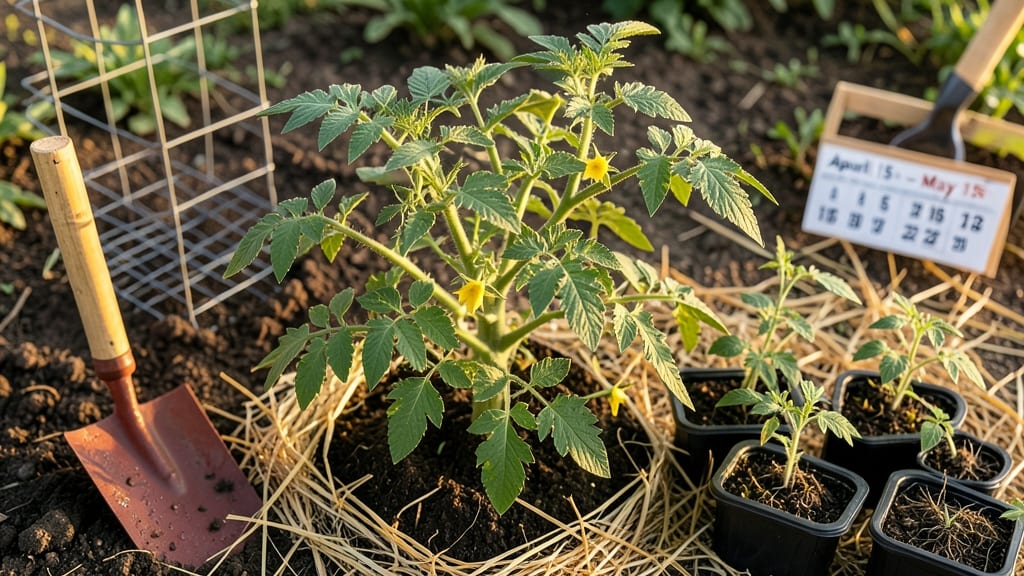
Timing when do you plant tomatoes in Ohio isn’t just about the calendar—it's about outsmarting Mother Nature's unpredictable mood swings. If you plant too early, a late frost will turn your seedlings into sad, wilted souvenirs.
But get it just right, and you'll be feasting on homegrown tomatoes from June through October.
Ohio's USDA Zone 6a means your window for planting is narrow but critical: aim for April 15 to May 15, after the last frost date. That said, don't rely solely on the calendar—soil temperature is the real game-changer.
Your tomatoes won't thrive until the ground warms to at least 60°F, and that can vary dramatically even within the same county.
Here's the secret many Ohio gardeners miss: microclimates matter. Urban areas like Columbus can be 5°F warmer than rural spots, while lake-effect zones near Erie stay cooler longer.
I'll show you how to read your local patterns and adjust your planting strategy to match—so you're not left guessing whether to plant early or wait.
Ready to ditch the frost-induced heartbreak? Let's break down the exact dates, soil tests, and pro tips that'll have your tomatoes thriving while your neighbors are still crossing their fingers.
You'll learn how to use row covers, soil thermometers, and even Ohio State University Extension resources to plant with confidence—no more "hope springs eternal" gardening.
Ohio’s tomato planting zones: exact dates by microclimate (2024 guide)
Ohio’s diverse microclimates mean your neighbors’ last frost dates might differ by weeks—even miles! From Toledo’s lake-effect chill to Columbus’s urban heat islands, knowing your exact USDA zone and local patterns is key to avoiding frost damage.
I’ll break down the ideal planting windows for Ohio’s 13 zones (5a-6b), plus how to adjust for early/late springs using soil thermometers and frost-free days calculations.
Most Ohio gardeners fall into USDA zones 5b-6a, where tomatoes thrive with 165 frost-free days. But if you’re in Appalachian highlands (zone 5a) or Toledo’s lakeshore (zone 6b), your timeline shifts dramatically.
For example, Cincinnati (zone 6a) typically plants by April 25, while Youngstown (zone 5b) waits until May 10 to avoid late frosts.
Here’s how to pinpoint your local last frost date: Check the Ohio State University Extension’s frost calendar (updated annually) or use the 32°F nighttime threshold as your guide. Pro tip: Add 7-10 days to your frost date for safe transplanting—this accounts for soil warming and seedling hardiness.
| Zone | Last Frost Date | Planting Window | Notes |
|---|---|---|---|
| 5a (SE Ohio) | May 5 | May 15–20 | Use cold frames; short season |
| 5b (NE Ohio) | May 10 | May 20–25 | Lake-effect delays; wait for soil at 60°F |
| 6a (Central Ohio) | April 25 | April 30–May 10 | Urban areas warm faster; plant early |
| 6b (NW Ohio) | April 15 | April 20–May 5 | Lakeside heat islands; monitor night temps |
🌱 Need exact dates? Check OSU Extension’s county maps for hyper-local adjustments.
If you’re direct sowing seeds (instead of transplants), add 2-3 weeks to these dates—seeds germinate slower in cool Ohio soil. For example, in zone 6a, sow seeds by April 15 for transplants or May 1 for direct sowing.
Always use black plastic mulch to raise soil temps by 5-10°F and speed up germination.
Microclimates matter even within cities. A south-facing wall can create a 2-week earlier planting zone than your neighbor’s north-facing yard. Test your spot: Bury a thermometer 2 inches deep for 3 days—if it’s below 50°F at night, delay planting.
Urban areas like Columbus often hit 60°F soil temps by April 10, while rural Appalachian valleys may wait until May 1.
Ohio’s 2024 frost data shows late springs are becoming more common. To hedge your bets, start transplants indoors by March 15 (use grow lights for 14-16 hours/day) and harden them off before outdoor planting.
For container gardening, move pots to warmer microclimates (e.g., patios near brick walls) to extend your season by 3-4 weeks.
One mistake I see often? Planting too early based on air temperature instead of soil temperature. Tomatoes need 60°F+ soil to thrive—colder soil causes root rot and stunted growth.
Use a $10 soil thermometer to avoid this pitfall. Pro tip: Black plastic mulch can add 10°F to soil warmth, letting you plant 1-2 weeks earlier.
For lake-effect areas (e.g., Toledo, Cleveland), watch for May frostsMemorial Day. Keep row covers handy for 30°F nights. In Appalachian zones (5a), prioritize
How to time transplants for Ohio’s unpredictable weather (pro tips)
Ohio’s spring weather can shift from 50°F to 80°F in a single week, making transplant timing a high-stakes gamble. I’ve learned the hard way—last year, my Early Girl seedlings wilted overnight after a surprise 32°F dip in early May.
The key? Mastering soil thermometers and nighttime temperature thresholds to protect your plants before they even emerge.
Most Ohio gardeners wait until after the last frost date (typically April 15–May 1), but that’s just the starting line. I recommend using a soil thermometer to confirm 60°F+ soil temps—tomato roots won’t thrive below 55°F.
Pro tip: Black plastic mulch can add 5–10°F to soil warmth, giving you a 2–3 week head start in cooler zones like USDA 5a.
⚠️ callout warning
Cold air sinks, and low-lying areas or valleys can stay 10°F colder than hillsides. If your garden sits in a frost pocket, delay transplants by 1–2 weeks or use row covers until late May. Lake-effect zones (near Erie or Maumee) may see late frosts—check Ohio State Extension’s frost maps for local adjustments.
Nighttime temps are the real villain. Tomatoes won’t survive below 50°F for more than a few hours. I swear by floating row covers (like Reemay) for the first 7–10 days post-transplant.
Last spring, I used them on my Sungold cherry tomatoes in Columbus (Zone 6a), and they thrived even when daytime highs were 65°F but nights dipped to 48°F.
For high-risk areas, cold frames or mini greenhouses can extend your season by 3–4 weeks. One Ohio gardener I know, Sarah from Youngstown (Zone 6b), starts her heirloom tomatoes in cold frames by April 1 and removes them after May 15.
Her Brandywine plants produced 20% more fruit than neighbors who waited until after the last frost.
Don’t forget to harden off seedlings for 7–10 days before transplanting. I place mine in a shady spot outdoors during the day and bring them in at night.
This mimics Ohio’s variable spring conditions and reduces shock. Pair this with mulching (straw or grass clippings) to keep roots 5–10°F warmer at night.
Finally, keep an eye on the 10-day forecast from the National Weather Service. If a cold snap is predicted, cover plants with lightweight blankets or burlap sacks. I’ve saved entire tomato beds this way—even when temps dropped to 38°F in late May.
With these tricks, you’ll beat Ohio’s weather and enjoy homegrown tomatoes from July to October.