
Plants
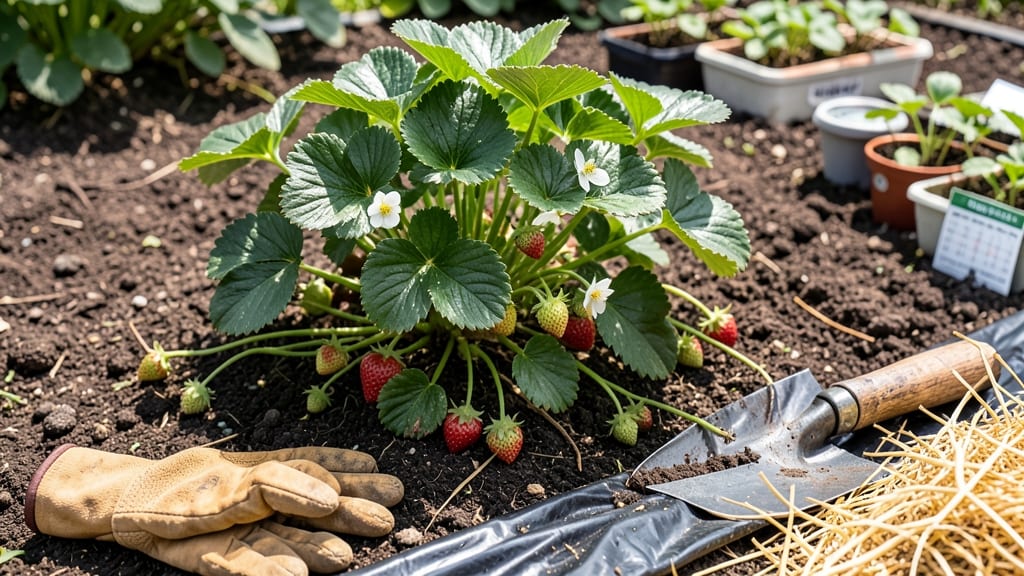
Timing your strawberry planting in Ohio can make all the difference between a bountiful harvest and wasted effort—get it wrong, and frost will turn your tender plants into sad, mushy memories. With Ohio’s USDA Zone 6a climate and unpredictable spring frosts, knowing when to plant is the key to success.
Whether you’re working with bare-root plants or potted varieties, the right window ensures your 🍓 strawberries thrive from the start.
Spring is the classic choice, but Ohio’s frost dates vary wildly—some regions can plant as early as March, while others wait until May to avoid damage. Fall planting offers a second chance, with August through September being ideal for a late harvest.
The trick? Soil temperature matters more than calendar dates, and I’ll show you how to check it for foolproof results.
Beyond timing, Ohio gardeners face unique challenges like slugs, fungal diseases, and short growing seasons. The right variety—like cold-hardy ‘Jewel’ or everbearing ‘Seascape’—can turn those challenges into advantages. Plus, I’ll share my go-to soil prep tips to give your strawberries the perfect start, no matter when you plant.
Ready to grow strawberries that outperform the grocery store? Let’s break down the exact planting windows, microclimate tips, and pro tricks to protect your crop—so you can enjoy homegrown berries from June through September. No more guesswork, just sweet rewards.
Ohio’s strawberry planting zones: when to plant by microclimate
Ohio’s diverse microclimates mean your strawberry planting window can vary by 100 miles. The Buckeye State spans USDA Zones 5b-6b, with last frost dates ranging from late March in southern Ohio to early May in the Appalachian highlands.
Getting this timing right ensures your plants establish roots before late spring frosts strike—or worse, flower too early and get nipped.
For most Ohio gardeners, spring planting (March–April) is ideal, but fall planting (August–September) works too. The key is aligning with your local frost-free date and soil temperature—roots need 40–50°F soil to thrive.
Below, I’ve broken down Ohio’s regions with city-specific planting windows so you can avoid the #1 strawberry killer: frost damage.
Pro Tip: Use row covers for early spring plantings—they add 2–4°F protection and can push your planting window 2–3 weeks earlier safely.
If you’re in Zone 5b (like Toledo or Cleveland), hold off until late April—earlier plantings risk frost damage to new growth. Meanwhile, Columbus gardeners in Zone 6a can start as early as mid-March if soil temperatures are above 40°F.
Always check your local frost calendar (like the Old Farmer’s Almanac) for the most precise dates.
For fall plantings, aim to get strawberries in the ground 6–8 weeks before your first frost. This gives roots time to establish before winter dormancy. In Cincinnati’s Zone 6a, that means late July to mid-August—any later, and plants won’t harden off properly.
Ohio’s microclimates can create surprises even within cities. For example, Columbus’s downtown might be 2–3°F warmer than its suburbs due to the urban heat island effect. If you’re unsure, monitor your garden’s soil temperature with a soil thermometer—strawberries need 50°F+ soil to thrive.
Bare-root vs. potted strawberries? For Ohio’s climate, potted plants give you a 2-week head start because they’re already established. Bare-root plants are cheaper but need immediate watering and soil contact to prevent drying out. If you’re planting in late April, potted plants are the safer bet.
Watch for late spring frosts, which can hit as late as May 10 in northern Ohio. Use frost cloth or a cloche on young plants until danger has passed.
And if you’re in the Appalachian region, be extra cautious—higher elevations can have 5–7°F colder microclimates just miles away.
Once your strawberries are in the ground, mulch heavily (3–4 inches of straw) to insulate roots from temperature swings. This is especially critical in Ohio’s humid summers, where mulch also prevents fruit rot from touching wet soil.
Ohio’s strawberry planting zones: when to plant by microclimate
Ohio’s frost dates vary dramatically by region, making a one-size-fits-all approach risky for strawberry growers. The state spans USDA Zones 5b to 6a, with Northwest Ohio (like Toledo) often seeing later last frosts than Southwest Ohio (like Cincinnati).
For example, Toledo’s average last frost is April 15, while Cincinnati can plant as early as March 25. These differences mean your planting window could shift by 3 weeks depending on where you live.
To avoid frost damage, I recommend using the 40-50°F soil temperature rule—strawberry roots need this warmth to establish before shoots emerge. In colder Appalachian Ohio (like Athens), wait until soil warms to 50°F even if frost dates suggest earlier planting.
For most of the state, late April to early May is the safest window for spring planting, but I’ll show you how to adjust for your exact location.
| Region | Avg. Last Frost | Ideal Planting Window | Key Cities |
|---|---|---|---|
| Northwest Ohio | April 15 | Late April - Early May | Toledo, Bowling Green |
| Northeast Ohio | April 20 | Early May | Cleveland, Akron |
| Central Ohio | April 10 | Late March - Early April | Columbus, Dayton |
| Southwest Ohio | March 25 | Late March | Cincinnati, Lexington |
| Appalachian Ohio | April 25 | Early May | Athens, Cambridge |
Fall planting is another smart strategy for Ohio gardeners, offering a second harvest window. Aim to plant 6-8 weeks before your first frost—typically August to early September. This gives roots time to establish before winter dormancy.
For example, in Columbus (Zone 6a), I plant fall strawberries by August 15 to ensure they’re ready for October’s first frost. The key is choosing everbearing varieties, which produce fruit in both spring and fall.
Don’t rely solely on calendar dates—soil temperature is your real guide. Use a soil thermometer ($10 at garden centers) to confirm warmth before planting. In my Central Ohio garden, I’ve seen soil hit 50°F by mid-April in sunny spots, but shaded areas lag by 2-3 weeks.
Pro tip: Plant on a cloudy day to reduce transplant shock, and water deeply afterward to encourage root growth.
Ohio’s microclimates also affect planting success. Urban areas like Columbus often warm up faster than rural zones due to the heat island effect. If you’re in a city, you might plant 2 weeks earlier than the regional average.
Conversely, valley regions (like the Maumee River Valley) hold cold air longer, so delay planting until after May 1 to avoid frost damage.
For container growers, timing is even more critical—pots warm up faster than garden beds, so I plant 2 weeks earlier in containers. Just ensure your pots have drainage holes and use a lightweight potting mix to prevent root rot.
Whether in-ground or in pots, mulching with straw after planting helps regulate soil temperature and retain moisture during Ohio’s unpredictable springs.