
Plants
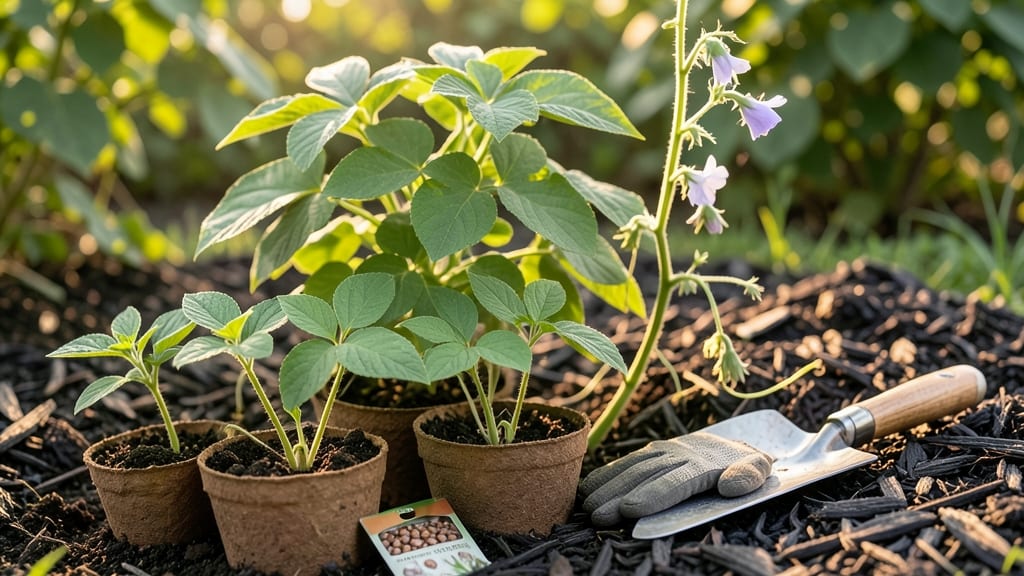
Planting beans in Kansas at the wrong time means watching your hard work turn to mush in a late frost—something no gardener wants to see.
The sweet spot for 🌱 beans in your state isn’t just about the calendar; it’s about knowing your microclimate, whether you’re in humid eastern Kansas or the drier west.
Most gardeners in zones 5b-7a wait until after April 15, when the last frost typically passes, but that’s just the starting point. Soil temperature matters just as much—beans need that ground to hit 60°F before seeds go in, or they’ll rot instead of sprout.
Here’s the game-changer: timing isn’t one-size-fits-all. In Topeka, you might plant by mid-April, while in Garden City, you’ll wait until early May. I’ll break down the exact weeks to plant for your region, plus how to adjust for rain delays or early heat waves.
By the end, you’ll know not just when to plant, but how to stretch your harvest from July through September—no frost casualties in sight. Let’s get those beans in the ground the right way.
Kansas bean planting calendar by region: exact weeks to avoid frost risk
Kansas’s five USDA hardiness zones (5a-7a) create dramatic differences in last frost dates, meaning your Wichita garden and Kansas City yard may need planting timelines weeks apart.
According to Kansas State University Extension, the average last spring frost ranges from April 1 in western Kansas to April 20 in the eastern humid zone. To maximize your bean harvest, timing isn’t just about avoiding frost—it’s about aligning with soil temperatures that reach 60°F+ for germination.
Most Kansas gardeners focus on three bean types: bush beans (compact, 18-24 inches tall), pole beans (vining, 6+ feet), and lima beans (heat-loving, slower to mature).
Each has its own optimal planting window, with early varieties like 'Blue Lake' thriving when planted just after the last frost, while late varieties such as 'Kentucky Wonder' can handle slightly cooler soils.
Below, I’ve broken down the exact weeks for each region, using data from local gardening reports and K-State Extension.
| USDA Zone | Region Examples | Last Frost Date | Bush Beans (Weeks After Frost) | Pole Beans (Weeks After Frost) | Lima Beans (Weeks After Frost) |
|---|---|---|---|---|---|
| 5a (Western KS) | Garden City, Dodge City | April 1 | Weeks 2-3 (April 15-30) | Weeks 3-4 (May 1-15) | Weeks 4-5 (May 15-30) |
| 5b (Central KS) | Salina, Hays | April 10 | Weeks 2-3 (April 25-May 10) | Weeks 3-4 (May 5-20) | Weeks 4-5 (May 20-June 5) |
| 6a (Northeast KS) | Atchison, Leavenworth | April 15 | Weeks 2-3 (May 5-20) | Weeks 3-4 (May 15-June 5) | Weeks 4-5 (June 1-15) |
| 6b (Southeast KS) | Pittsburg, Chanute | April 20 | Weeks 2-3 (May 10-25) | Weeks 3-4 (May 20-June 10) | Weeks 4-5 (June 5-20) |
| 7a (Southeast KS) | Parsons, Fort Scott | April 25 | Weeks 2-3 (May 15-June 5) | Weeks 3-4 (May 25-June 15) | Weeks 4-5 (June 10-25) |
For western Kansas (zones 5a-5b), where dry winds and cooler nights delay soil warming, I recommend planting bush beans no
How to adjust planting dates for Kansas microclimates: soil temperature and rainfall factors
Kansas’s diverse geography means what works in Wichita’s urban heat islands may fail in rural Norton County. Your bean planting success hinges on three key factors: soil temperature, local rainfall patterns, and microclimate variations.
A soil thermometer reading of 60°F+ is non-negotiable—beans need warmth to germinate, and cooler soils in eastern Kansas can delay growth by weeks compared to western counties.
Rainfall also dictates timing. The humid east (like Kansas City) may need earlier planting to avoid fungal diseases from excess moisture, while drier western regions (like Garden City) can wait slightly longer.
Urban areas trap heat, creating microclimates 5-10°F warmer than rural spots just miles away—this can shift your planting window by 1-2 weeks.
To pinpoint your exact planting date, start by checking USDA frost data for your county. Then, use a soil thermometer for 3 consecutive days at 60°F+ before sowing.
For pole beans, aim for May 1-15 in most of Kansas; bush beans can tolerate slightly cooler soils and may go in as early as April 20 in southern zones.
🌱 Kansas Bean Planting Adjustments by Microclimate
- 📍 Urban Areas (e.g., Wichita, Kansas City): Plant 1-2 weeks earlier due to heat island effect. Soil warms faster—check for 60°F+ by April 15.
- 📍 Eastern Kansas (humid, e.g., Atchison): Delay until May 1 to avoid soil-borne diseases from excess moisture. Monitor rainfall—1+ inch/week risks rot.
- 📍 Western Kansas (arid, e.g., Colby): Wait until May 10-20—soil dries faster, reducing germination delays. Irrigate immediately after planting.
- 📍 Rural Cool Spots (e.g., Flint Hills): Plant 2 weeks later than urban areas. Soil stays 10°F cooler longer; use row covers for early starts.
- 📍 High-Elevation Areas (e.g., near Cherryvale): Aim for May 15. Cooler nights slow growth—choose early-maturing varieties like 'Blue Lake'.
For succession planting, add a second batch 3 weeks later to extend harvests. In western Kansas, where water is scarce, focus on drought-tolerant varieties like 'Black Valentine' and plant after mid-May rains. In eastern Kansas, prioritize disease-resistant types like 'Contender' and mulch heavily to retain moisture.
Pro tip: Use a garden journal to track your local patterns. Note when soil hits 60°F, how many frost-free days you’ve accumulated, and whether rainfall exceeds 1 inch/week. Over 3 years, you’ll refine your timing to perfection—no more guesswork, just consistent harvests.
Remember, Kansas’s 160 frost-free days are your golden window. Miss it, and you’ll either lose plants to early fall frosts or harvest bitter, overmature beans. With these adjustments, you’ll turn your microclimate into a bean-growing advantage.