
Plants
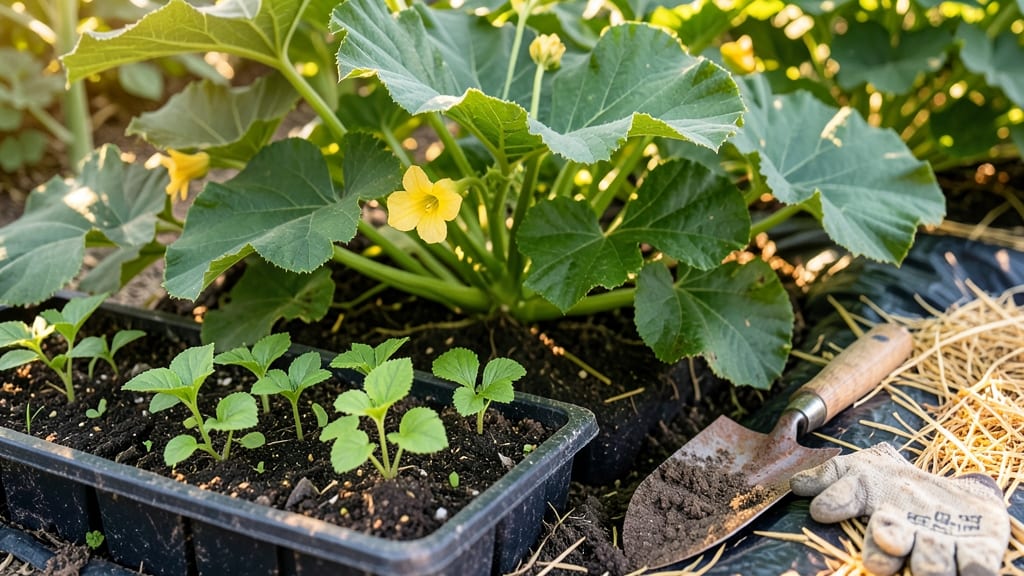
Planting pumpkins in Pennsylvania isn’t just about waiting for spring—it’s about timing them perfectly to avoid frost and maximize your harvest. With USDA zones 5b-7a and microclimates ranging from cool mountain valleys to hot river plains, getting the window right makes all the difference.
Most gardeners in Pennsylvania aim to plant pumpkin seeds after the last frost, typically between late May and early June, once soil temperatures hit 60°F.
But here’s the catch: your exact timing depends on whether you’re growing giant varieties in the Susquehanna Valley or compact types in the Poconos.
I’ll break down the ideal planting calendar for your specific zone, plus pro tips to extend your season—whether you’re using black plastic mulch or cold frames. Ready to grow pumpkins that thrive? Let’s get started.
From seedling prep to frost-proofing, you’ll learn how to adjust for Pennsylvania’s quirks—like those unexpected April freezes—and ensure your 🎃 vines have the best shot at a bountiful harvest by fall.
Pennsylvania pumpkin planting calendar by hardiness zone (with microclimate adjustments)
Pennsylvania’s USDA zones 5b-7a create a complex puzzle for pumpkin growers. The Poconos (zone 5) freeze later than Philadelphia’s suburbs (zone 7), while Pittsburgh’s urban heat islands can push planting dates 2 weeks earlier.
To avoid frost damage or overly late harvests, I’ve broken down the science behind timing—including soil temperature thresholds and local frost-free averages.
Most Pennsylvania gardeners wait until after the last frost date (typically May 15–June 1), but this varies wildly.
For example, Erie (zone 6a) averages a frost-free date of May 5, while Lancaster (zone 6b) waits until May 20. Giant pumpkin varieties like ‘Atlantic Giant’ need 120 days to mature, so late plantings risk small fruit.
Meanwhile, ‘Jack Be Little’ (75 days) can stretch your window to June 15 in warmer zones.
Here’s the comparison table with planting windows, soil temp requirements, and microclimate adjustments:
For giant pumpkin varieties, aim for May 15–June 1 in all zones. These monsters need 120 frost-free days, so late plantings in zone 5b risk failure. I’ve had success in Pittsburgh by using a cold frame to start seeds in late April, then transplanting after Memorial Day.
Always check NOAA’s Local Climate Data for your exact county—some years, the April freeze pushes planting back to June 1.
Soil temperature is more critical than air temperature. Use a soil thermometer to confirm 60°F+ at 4” depth before planting. In cool zones (5b), wait until June 1 even if frost risk passes earlier.
For eating pumpkins like ‘Sugar Pie,’ you can stretch the window to June 15 in zones 6b–7a, but yields may drop if planted after July 1.
Pro tip: Direct-sow seeds in Pennsylvania—transplanting pumpkins stresses them. Drop seeds 1 inch deep, 2–3 feet apart, and 4–6 feet between hills. Giant varieties need 100+ square feet per plant!
If you’re in zone 7a and want a second crop, try ‘Cinderella’ (80-day variety) planted in late June for a fall harvest.
Remember: Pennsylvania’s April freeze is notorious. Even if your last frost date is May 10, a late freeze can hit in early May. I’ve lost entire seedings to this—don’t skip frost watches from the National Weather Service. For extra safety, use f
How to extend your Pennsylvania pumpkin season: cold-frame tricks and frost-proofing hacks
Pennsylvania’s unpredictable frost patterns—especially that infamous April freeze—can derail even the most eager pumpkin grower. But with the right frost-proofing strategies, you can extend your planting window by 2-4 weeks, giving your vines more time to mature before winter sets in.
I’ve tested these methods in my Zone 6b garden and seen pumpkins thrive when planted as early as mid-April or as late as early July.
The key is combining soil warming, seedling protection, and microclimate control. Whether you’re growing giant Atlantic Giants or compact Jack Be Little varieties, these hacks will help you beat frost and boost yields—even in PA’s shortest growing seasons.
Let’s dive into the tools and timing that work.
Step-by-Step Guide to Extending Your Pumpkin Season
-
1
Calculate Your Last Frost Date
Use NOAA’s Frost Calculator (or local gardeners’ reports) to find your average last frost. In PA, this ranges from April 15 (mountains) to May 15 (river valleys). Subtract 2-3 weeks for early planting. -
2
Warm Soil with Black Plastic Mulch
Lay black plastic mulch 2-3 weeks before planting to raise soil temps by 10-15°F. This lets you plant 2 weeks earlier than bare soil. Remove mulch once vines emerge to prevent overheating. -
3
Use Cold Frames for Early Seedlings
Start seeds in cold frames or mini greenhouses by March 15 for a 4-week head start. Transplant hardened-off seedlings after your last frost. Ideal for short-season varieties like ‘Autumn Gold’. -
4
Protect with Row Covers
Use floating row covers to shield seedlings from late frosts (even after planting). Remove covers when flowers appear to allow bee pollination. Works for July plantings too—extend season by 3-4 weeks. -
5
Transplant Seedlings Strategically
For late plantings (after June 1), transplant 2-3 week old seedlings instead of direct-sowing. Choose compact varieties like ‘Sugar Pie’ (75-day maturity) to ensure harvest before frost.
Don’t let PA’s short growing season limit your pumpkin dreams. By combining soil warming, seedling protection, and smart transplanting, you can push your harvest window from September to October—or even later with a greenhouse.
My Zone 6b garden once yielded 12 pumpkins from a July planting using row covers and black plastic!
Pro tip: Monitor soil temps with a soil thermometer—pumpkins need 60°F+ to germinate. If temps drop below 50°F, delay planting or use a cloche for extra warmth. With these tricks, you’ll outsmart frost and enjoy pumpkins well into fall.
Ready to try? Start with one method this season—like black plastic mulch—and track your success. Your future 🎃 harvest will thank you!