
Plants
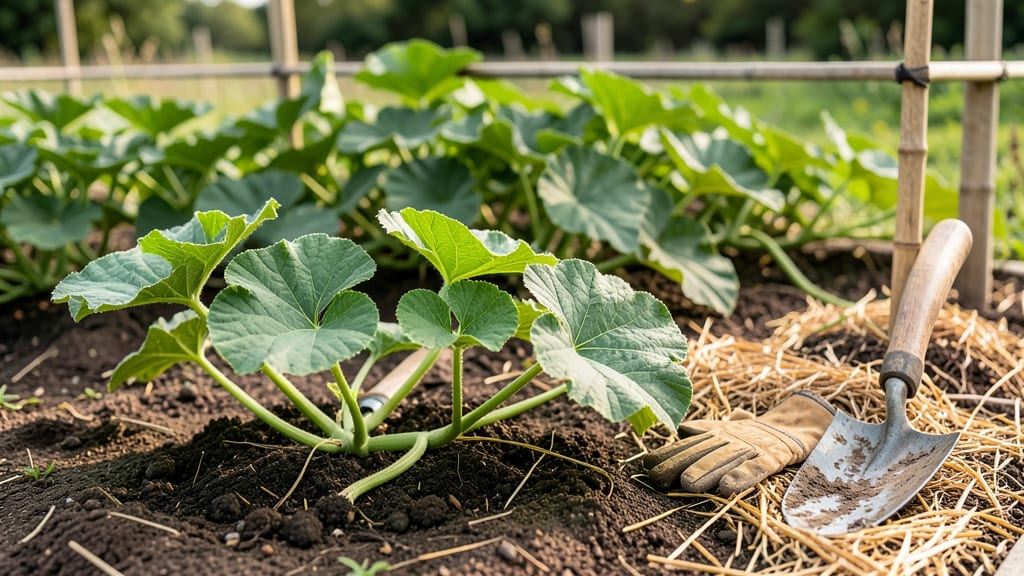
Planting pumpkins in Kentucky isn’t just about tossing seeds into the dirt—it’s about timing them perfectly to beat the frost and ensure a bountiful harvest.
With USDA Zones 6a-7a offering a 180-day frost-free window, you’ve got just enough time to grow everything from small jack-o’-lanterns to giant pie pumpkins, but one wrong move could leave you with wilted vines or underripe fruit.
Most Kentucky gardeners swear by starting seeds indoors by late March to give them a head start, then transplanting after the last frost—usually around mid-April to early May.
But here’s the catch: Southern Kentucky’s warmer microclimates (like Zone 7a) can handle direct sowing as early as early April, while Northern Kentucky’s cooler pockets (Zone 6a) may need to wait until late April to avoid frost damage.
Whether you’re a first-time grower or a seasoned pro, getting the timing right is the key to avoiding common mistakes like overcrowded vines or premature frost.
I’ll break down the exact planting schedule for your heat zone, plus pro tips to extend your growing season—because in Kentucky, where summers are short but sweet, every extra day counts.
Ready to grow pumpkins that rival the ones at the county fair? Let’s dive into the frost-free planting timeline that’ll turn your garden into a 🎃 paradise—no guesswork required.
Kentucky pumpkin planting calendar: exact dates by heat Zone 7a vs 8a
Kentucky’s USDA Heat Zones 7a-8a offer perfect conditions for growing pumpkins, but the 10-14 day difference between zones means your planting timeline must adapt. In Zone 7a (northern Kentucky), the last frost typically arrives around April 15, while Zone 8a (southern Kentucky) sees frost-free conditions by April 1.
This shift can mean the difference between a bountiful harvest and struggling vines.
For both zones, aim to plant when soil temperatures reach 60-65°F—the ideal range for pumpkin seed germination.
A soil thermometer is your best tool here, as surface temperatures can mislead you. Direct sowing is preferred for Kentucky’s climate, but if you start seeds indoors, transplant them 2-3 weeks after the last frost date to avoid transplant shock.
Here’s the critical planting window broken down by zone, including adjustments for early, mid-season, and late varieties:
| Zone | Last Frost Date | Soil Temp Threshold | Direct Sowing Window | Transplant Window |
|---|---|---|---|---|
| 7a (Northern KY) | April 15 | 60-65°F | April 20 - May 10 | May 1 - May 15 |
| 8a (Southern KY) | April 1 | 60-65°F | March 25 - April 15 | April 10 - April 25 |
If you’re growing miniature or pie pumpkins, which mature in 75-85 days, you can push the envelope slightly later—even up to May 15 in Zone 7a.
But for jack-o’-lantern varieties, which need 90-120 days, stick to the earlier windows to ensure vines have enough time to sprawl and fruit before frost.
For Zone 8a gardeners, you can even squeeze in a second planting of fast-maturing varieties around June 1. This works because southern Kentucky’s longer growing season often extends frost risk until mid-October. Just be prepared to use row covers if temperatures dip unexpectedly.
One critical mistake Kentucky gardeners make is waiting until after Memorial Day to plant. By then, the growing season is already half over, and pumpkins won’t have time to reach maturity.
Use your local Cooperative Extension Service (e.g., UK Extension) for hyper-local frost data—their records often reveal microclimate variations of 1-2 weeks within the same zone.
To maximize your harvest, pair your planting timeline with succession planting. Start with early varieties in April, then follow with mid-season types in early May. This staggered approach ensures a continuous supply of pumpkins from late summer through October.
Finally, don’t overlook soil preparation. Pumpkins thrive in well-draining, fertile soil with a pH of 6.0-7.0. In Kentucky’s clay-heavy soils (common in the Bluegrass region), amend with compost or aged manure 2-3 weeks before planting to improve drainage and nutrient availability.
With these zone-specific timelines and pro tips, your Kentucky pumpkin patch will be on track for a bountiful, frost-free harvest. Happy planting! 🎃
How to adjust pumpkin planting for Kentucky’s microclimates and soil conditions
Kentucky’s diverse geography means your pumpkin planting success hinges on local soil and climate. The Bluegrass Region boasts rich, fertile black soil, while areas like Mammoth Cave have limestone-based soil that drains faster.
Even urban gardens in Louisville or Lexington may face heat islands or compacted soil. Adjusting your approach based on these factors ensures healthy vines and plump pumpkins.
Start by testing your soil’s pH level—pumpkins thrive in slightly acidic to neutral soil (pH 6.0-7.0). If your soil is heavy clay, like in Western Kentucky, amend it with compost or sand to improve drainage.
For rocky or limestone-heavy areas, add organic matter like well-rotted manure or leaf mold to create a loamy texture that retains moisture without suffocating roots.
Companion planting can also mitigate local challenges. Pair pumpkins with bush beans or peas to fix nitrogen in the soil, or interplant with marigolds to deter pests like squash bugs, which thrive in Kentucky’s humid summers.
Avoid planting near potatoes or melons, as they compete for nutrients and attract similar pests.
If your area experiences late spring frosts (common in Northern Kentucky), use black plastic mulch or row covers to warm the soil and protect young seedlings.
For Southern Kentucky’s longer growing season, you can even try a second planting in early July for smaller winter squash like ‘Sugar Pie’ pumpkins, which mature in 80-85 days.
Watering needs vary by microclimate: Western Kentucky’s drier regions may require drip irrigation to prevent moisture stress, while humid Eastern Kentucky gardens benefit from mulching with straw to reduce fungal diseases like powdery mildew.
Always water at the base of plants in the morning to avoid wetting foliage, which invites fungal issues.
Finally, monitor your pumpkins for localized stress signs. In Kentucky’s heat, vines may wilt by midday even with adequate water—this is normal. However, if leaves turn yellow or brown, it could signal overwatering in clay soil or nutrient deficiency in sandy soil.
Adjust care based on your specific conditions to keep vines thriving until harvest.