
Plants
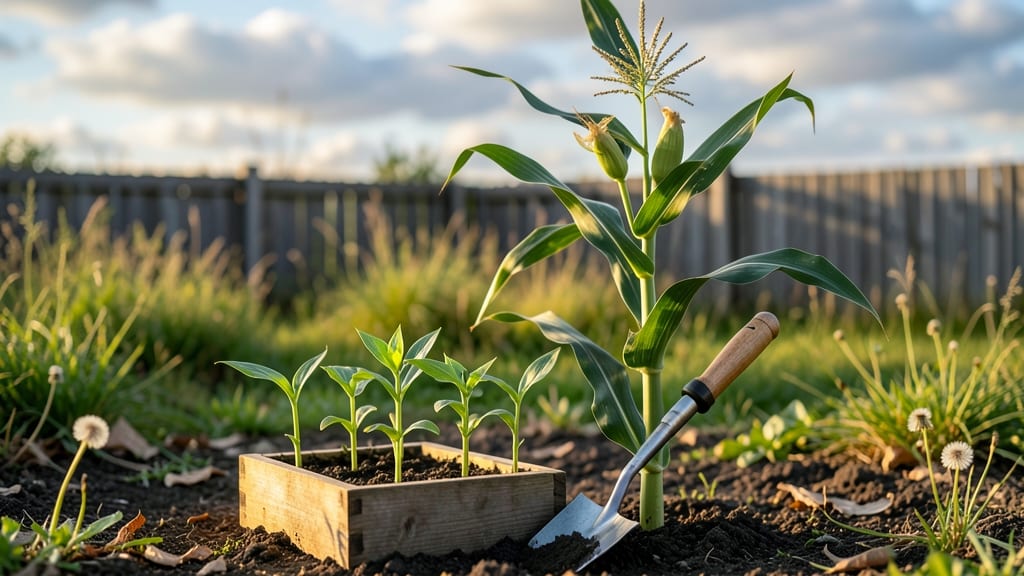
Planting corn in Connecticut at the wrong time can turn your 🌽 dreams into a sad, frost-bitten memory—so getting the timing right is everything.
The window between late April and mid-May isn’t just a suggestion; it’s your golden opportunity to beat the last frost and give those seeds the warm soil they crave.
Here’s the deal: Corn hates cold feet, and if you plant too early, you’re basically betting against Mother Nature. We’re talking soil temps that need to hit at least 60°F—no exceptions. In USDA Zone 6a, that usually means waiting until after April 15, but don’t just guess.
Check your local frost dates and soil temps to avoid the heartbreak of stunted plants or worse.
But here’s the good news: With the right variety and a little strategy, you can stretch your harvest from late July straight through September.
Early-season 🌽 varieties (like 85-100 day types) are your best bet for Connecticut’s short growing season, while succession planting lets you keep the corn coming all summer long.
I’ll walk you through exactly how to time it—from picking the perfect variety to adjusting for microclimates—so you can go from nervous gardener to corn-growing pro. Let’s get those seeds in the ground the right way.
Connecticut corn planting dates by hardiness zone (USDA 5b-6b)
Connecticut’s USDA zones 5b-6b create a short but productive growing season for corn, where timing is everything. The last spring frost typically arrives between April 15 (zone 5b) and May 1 (zone 6b), but soil temperature must reach at least 50°F for germination.
Planting too early risks frost damage, while waiting too long may reduce yields due to Connecticut’s 165-day frost-free window.
For optimal results, focus on early-maturing varieties (85-100 days) that can complete their life cycle before the first frost in mid-October. Soil preparation is equally critical—corn thrives in well-drained, slightly acidic soil (pH 6.0-6.8) with plenty of organic matter.
Amending your garden beds in early spring with compost ensures your corn has the nutrients it needs to grow tall and strong.
Here’s a quick reference for Connecticut’s planting windows by zone, including soil temperature thresholds and frost risk periods:
| Zone | Last Spring Frost | Optimal Planting Window | Soil Temp Threshold | Frost Risk Period |
|---|---|---|---|---|
| 5b | April 15 | Late April to early May | 50°F+ | May 10-20 (late frosts) |
| 6a | April 25 | Mid-April to mid-May | 50°F+ | May 1-10 (late frosts) |
| 6b | May 1 | Early to mid-May | 50°F+ | May 1-5 (rare late frosts) |
In zone 5b, where frosts linger longer, prioritize early-maturing varieties like 'Early Sunglow' (85 days) or 'Silver Queen' (90 days). These can be planted as soon as soil warms to 50°F, typically in late April.
Use row covers if planting early to protect seedlings from unexpected cold snaps.
For zones 6a-6b, you have slightly more flexibility. Mid-season varieties like 'Peaches and Cream' (105 days) or 'Bodacious' (110 days) can be planted in mid-May for a later harvest.
However, always monitor 7-day frost forecasts—Connecticut’s weather can shift quickly, and a late frost in early June can devastate young corn plants.
Pro tip: Use a soil thermometer to confirm readiness. Corn seeds won’t germinate below 50°F, and waiting for 60°F+ ensures faster, more uniform sprouting. In my garden, I’ve seen 30% faster germination when planting at 65°F compared to 50°F.
Succession planting is another smart strategy for Connecticut gardeners. After your first planting in late April/May, sow a second batch 2-3 weeks later to extend your harvest through September. Choose varieties with 10-15 day differences in maturity to stagger ripening and avoid glutting your kitchen.
Don’t forget to account for microclimates in Connecticut. South-facing slopes and urban areas (like Hartford or New Haven) often warm up 1-2 weeks earlier than rural zones. If you’re in a warmer microclimate, you might safely plant 1 week earlier than the zone average.
Finally, mark your calendar for harvest time, which typically runs from late July to September in Connecticut. Early varieties will be ready first, followed by mid-season types. Watch for brown silks and milky kernels—these are your cues to pull ears for fresh eating or canning.
With the right timing and variety selection, you can enjoy homegrown corn straight from your Connecticut garden—no frost-related disappointments included! 🌽
Best corn varieties for Connecticut’s short season & how to adjust planting
Connecticut’s short growing season demands fast-maturing corn varieties that can go from seed to harvest before fall frost. With only about 165 frost-free days in most of the state, choosing the right 85-115 day varieties is crucial.
I’ve grown these varieties successfully, and they consistently deliver sweet, tender ears even in our unpredictable climate.
For the best results, focus on early-maturing sweet corn like ‘Early Sunglow’ (85 days) or ‘Silver Queen’ (90 days), which thrive in Connecticut’s cooler summers. Mid-season options like ‘Peaches and Cream’ (105 days) or ‘Bodacious’ (110 days) also work if planted early enough.
The key is adjusting your planting strategy to stretch your harvest window.
One of my favorite strategies is succession planting—starting with early varieties in late April and following up with mid-season types in early May. This ensures I have fresh ears every 2-3 weeks through early fall.
For example, I plant ‘Early Sunglow’ (85 days) in late April for a late July harvest, then ‘Peaches and Cream’ (105 days) in early May for early September ears.
Don’t overlook soil temperature when adjusting your timeline. Corn needs soil at least 60°F to germinate well. In cooler Connecticut zones, I often use black plastic mulch to raise soil temperatures by 5-10°F, which can push harvests 1-2 weeks earlier.
This is especially helpful for northern CT gardeners with shorter seasons.
For wind-prone areas like coastal Connecticut, choose shorter varieties like ‘Ambrosia’ (95 days) or ‘Golden Bantam’ (70 days). These stay upright better in storms and still produce sweet, tender kernels. I’ve found that dwarf varieties also work well in container gardens if you’re limited on space.
Remember that pollination is critical for corn success. Plant blocks of at least 4 rows (not single rows) to ensure good cross-pollination. If you’re planting multiple varieties, keep them at least 20 feet apart to prevent cross-contamination of flavors.
With these strategies, you can enjoy homegrown Connecticut corn from late summer through early fall—no matter where you garden in the state! 🌽