
Plants
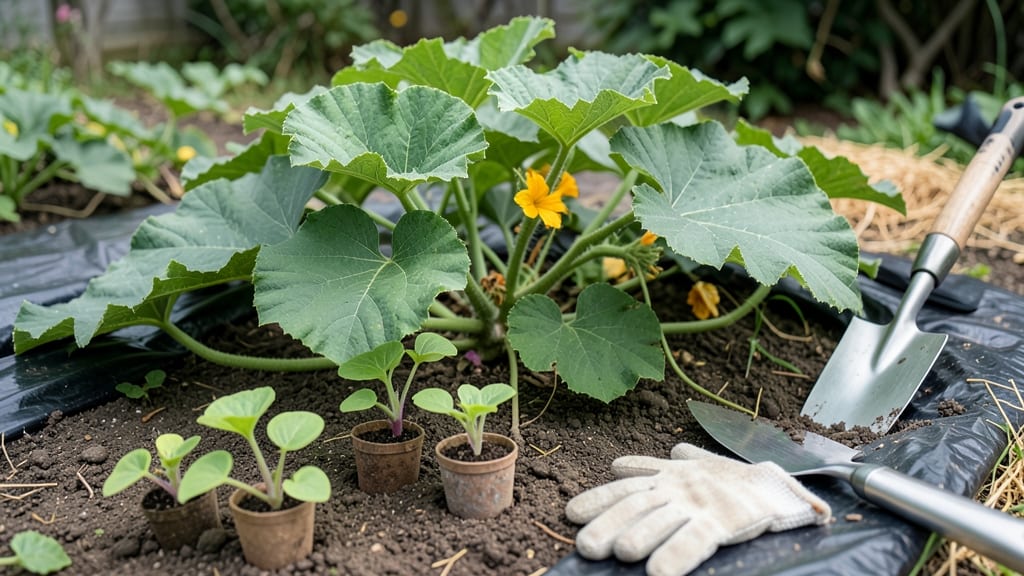
Planting pumpkins in Indiana isn’t just about dropping seeds in the dirt—it’s about timing them perfectly to beat frost and ensure a harvest that rivals any jack-o'-lantern 🎃 display.
With frost dates that can swing wildly from April 15 to late May, knowing your microclimate (Northwest, Central, or Southern Indiana) is the key to success.
Most gardeners in USDA Zones 5b-6b should start seeds indoors 4-6 weeks before the last frost or sow directly in late April to early June. But here’s the catch: even within Indiana, a week’s difference can mean the difference between thriving vines and wilted dreams.
You’ll learn the exact planting windows for your corner of the state, plus how to extend the season with simple tricks like black plastic mulch or row covers.
Whether you’re growing pie pumpkins or giant carving varieties, these insights will help you avoid common mistakes—like planting too early or ignoring soil prep—that trip up even experienced growers.
Ready to turn your Indiana garden into a pumpkin patch? Let’s dive into the microclimate-specific dates and strategies that will give you a harvest from late September to October—no frost-related surprises included.
Indiana pumpkin planting dates by microclimate Zone (with frost risk maps)
Indiana’s three distinct microclimates—Northwest, Central, and Southern—create wildly different frost risks for pumpkin growers. In Zone 5b-6a (Northwest), you’ll need to wait until late May for safety, while Zone 6b-7a (Southern Indiana) can start as early as mid-April.
The key? Soil temperatures must stay above 60°F for 2+ weeks before planting.
Use these last-frost-date averages as your guide: April 15 in Southern Indiana, May 1 in Central, and May 15 in the Northwest. But don’t rely on averages—check the Indiana State Climate Office weekly for real-time updates.
A late frost in May can wipe out early plantings, so always have row covers ready.
Pumpkins need a 100-120 day growing season to mature. With Indiana’s 165 frost-free days, you’re cutting it close—especially if you’re growing large jack-o’-lanterns (100+ days) versus small pie pumpkins (85-90 days). Planting too late risks immature fruit before frost.
Here’s the breakdown by zone, including soil temperature thresholds and ideal planting windows to maximize your harvest before October 15:
| Zone | Last Frost Date | Soil Temp Threshold | Planting Window | Harvest Window | Best Varieties |
|---|---|---|---|---|---|
| Northwest (Zone 5b-6a) | May 1–15 | 60°F+ for 2+ weeks | Late May–early June | Late Sept–early Oct | Howden, Jack Be Little |
| Central (Zone 6a-6b) | April 20–May 5 | 60°F+ for 2+ weeks | Mid-April–late May | Mid-Sept–mid-Oct | New England Pie, Cinderella |
| Southern (Zone 6b-7a) | April 1–15 | 55°F+ for 1+ week | Mid-April–early May | Early Sept–late Oct | Small Sugar, Jarrahdale |
For earlier plantings, use black plastic mulch to raise soil temps by 5-10°F. In Northwest Indiana, where frosts linger, opt for fast-maturing varieties like ‘Jack Be Little’ (75 days) to avoid frost damage.
Southern Indiana gardeners can push boundaries with ‘Small Sugar’ (85 days), but always monitor weather forecasts.
Pro tip: Start seeds indoors 2-3 weeks before your zone’s planting window to get a head start. Use biodegradable pots to avoid transplant shock when moving seedlings outdoors. Harden them off for 7-10 days by gradually exposing them to outdoor conditions.
If you’re in Central Indiana, aim for May 1 as your safe planting date. This gives you a 120-day window to harvest before the average October 15 frost. But remember: weather is unpredictable. Use a frost watch app (like Old Farmer’s Almanac) to adjust your timeline.
For container growing, choose dwarf varieties like ‘Minnesota Midget’ (75 days) and plant in 5-gallon pots. These stay compact but still need full sun and consistent watering. Containers warm up faster than soil, so you can plant 1-2 weeks earlier than in-ground plantings.
Always test your soil pH (ideal: 6.0-6.8clay-heavy soils in the North drain poorly—amend with compost and sand to improve drainage. In Southern Indiana’s sandy soils, add organic matter to retain moisture.
Timing isn’t just about frost—it’s about heat too. Pumpkins need warm nights (above 70°F) to pollinate. If June temperatures dip, you’ll see fewer fruits. Choose heat-tolerant varieties like ‘Autumn Gold’ for Central Indiana’s humid summers.
How to extend Indiana’s pumpkin growing season (cold hardiness hacks)
Indiana’s short growing season can feel like a race against time for pumpkin lovers—but with the right strategies, you can push planting dates earlier or protect late-season vines from frost. The key is combining soil warmth, physical barriers, and hardy varieties to maximize your harvest window.
Even in Zone 5b (Northwest Indiana), where frost lingers until mid-May, these hacks can add 2-4 weeks to your growing season.
Start by choosing cold-tolerant varieties like 'New England Pie Pumpkin' (maturity: 90-100 days) or 'Howden' (maturity: 85 days), which thrive in cooler soils. These varieties can handle 50°F soil temps, while standard pumpkins need 60°F+ to germinate.
Pair this with black plastic mulch, which warms soil by 5-10°F—critical for early starts in Central Indiana’s Zone 6a.
For late-season protection, focus on harvest timing. Pumpkins need 90-120 days to mature, so aim to finish by early October in Northwest Indiana and mid-October in Southern Indiana.
If frost threatens, cover vines with straw or leaves to insulate them overnight. Even a 24-hour delay can save immature pumpkins from rotting.
Monitor your local Indiana State Climate Office for 10-day forecasts—this helps you decide whether to harvest early (for storage) or risk leaving pumpkins on the vine a few more days. Curing pumpkins in a sunny, dry spot (80°F for 10 days) hardens their rinds, making them last through winter.
Pro tip: In Zone 5b, plant half your seeds indoors under grow lights 4-6 weeks before your target outdoor date. Transplant these hardened-off seedlings into warmed soil for a 2-week head start—critical for beating Indiana’s early frosts.
With these hacks, you’ll turn Indiana’s unpredictable climate into an advantage. Whether you’re growing giant jack-o'-lanterns or pie pumpkins, extending your season means more time for vines to sprawl, flowers to bloom, and pumpkins to plump up before the first frost nips at your heels. 🎃