
Plants
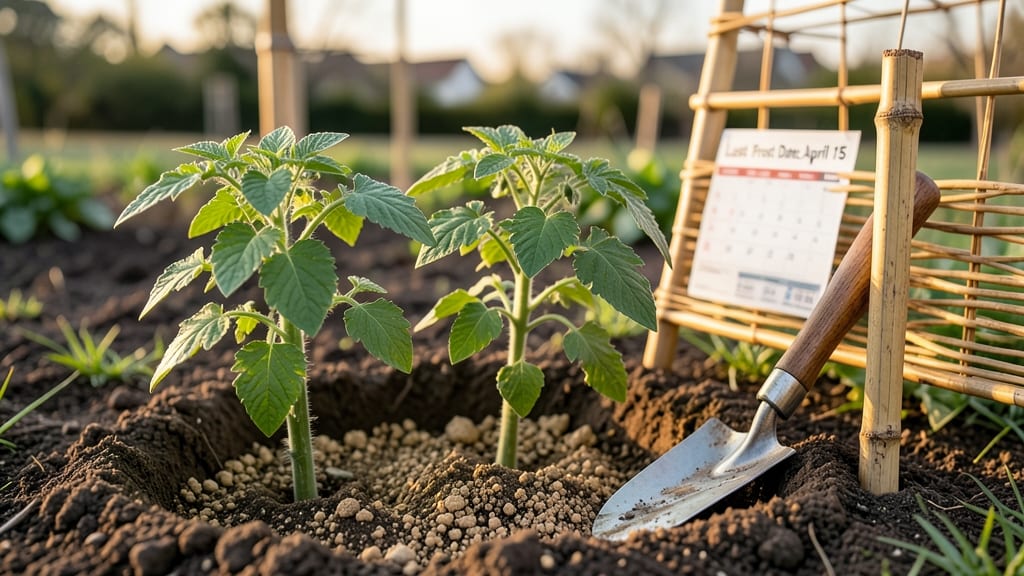
Planting tomatoes in Indiana isn’t just about grabbing a seed packet—it’s about catching that narrow window between frost risk and scorching summer heat. 🍅 Miss the mark, and you’ll either watch delicate seedlings freeze or struggle with stunted plants in the oppressive humidity.
The key to thriving vines lies in understanding your local Heat Zone 6a deadlines, where soil warmth and frost-free days collide.
Most Indiana gardeners know the rule: wait until after the last frost, but there’s more to it than just checking a calendar. Soil temperature matters just as much—tomatoes need that earth to warm to at least 60°F before roots will cooperate.
That’s why planting too early (before mid-April) often spells disaster, while waiting until late May might leave you scrambling for harvests before the first frost in October.
What if you’re torn between early varieties like ‘Early Girl’ and heat-lovers like ‘Celebrity’? The right choice depends on your county’s microclimate and when you’re willing to commit to daily care.
I’ll break down the exact dates that work for northern Indiana’s cooler pockets versus southern Indiana’s earlier springs, so you can plan with confidence—not guesswork.
Ready to avoid the most common mistakes? From overwatering seedlings to ignoring windbreaks, I’ll share the pro tips that separate thriving tomato plants from sad, wilted vines. Let’s get those seeds in the ground at the perfect moment—because in Indiana, timing really is everything.
Indiana heat zone 6a planting deadlines: frost-free timing for tomatoes
Indiana's Heat Zone 6a presents unique challenges for tomato growers, where last frost dates can vary by 10-14 days between northern and southern counties.
According to Purdue Extension, the average last frost date for most of Indiana falls between April 15-20, but this shifts earlier in southern regions like Vanderburgh County and later in northern areas like Steuben County.
Timing your tomato transplants correctly means the difference between a bountiful harvest and frost-nipped seedlings.
For tomato seedlings purchased from nurseries, the ideal transplant window opens when soil temperatures consistently reach 55°F or higher—typically 2-3 weeks after the last frost.
In northern Indiana, this usually means waiting until late April to early May, while southern Indiana gardeners can often plant by mid-April. The key is monitoring soil thermometers, not just air temperatures, since cold soil can stunt root growth even if daytime air warms up.
Direct sowing seeds is riskier in Indiana's climate due to the unpredictable late frosts, but early varieties like 'Early Girl' can sometimes be sown under row covers as early as mid-April in southern regions. However, most gardeners prefer transplanting for reliability, especially when dealing with short-season varieties that need 70-85 days to mature.
| Region | Avg. Last Frost | Safe Transplant Window | Soil Temp Threshold | Key Varieties |
|---|---|---|---|---|
| Northern IN (Lake, Steuben, Kosciusko) | April 25 - May 5 | May 10 - May 20 | 55°F+ (consistent) | 'Early Girl', 'Stupice', 'Mountain Merit' |
| Central IN (Boone, Hamilton, Hendricks) | April 15 - April 25 | April 25 - May 10 | 55°F+ (consistent) | 'Celebrity', 'Better Boy', 'Brandywine' |
| Southern IN (Vanderburgh, Gibson, Posey) | April 5 - April 15 | April 15 - April 30 | 50°F+ (with protection) | 'Solar Fire', 'Heatmaster', 'Roma' |
| Pro Tip: Use row covers to extend your window by 2-3 weeks in cooler areas. | ||||
While last frost dates provide a general guideline, Indiana's microclimates mean your specific location matters. For example, urban areas like Indianapolis often experience 2-3°F warmer soils than rural farmland due to heat island effects.
To play it safe, I recommend using Purdue's Frost/Freeze Probability Maps or setting up a minimum/maximum thermometer in your garden for 3-5 years to establish your local patterns.
Another critical factor is soil preparation. Tomatoes thrive in well-draining soil with a pH between 6.0-6.8. Amending your soil with compost or aged manure 4-6 weeks before planting ensures roots establish quickly.
In northern Indiana, where soils stay cooler longer, I often add a black plastic mulch to warm the soil by 5-10°F and speed up germination.
For gardeners in Heat Zone 6a, the latest you should plant tomatoes is June 1 for most varieties, though this cuts your harvest window short.
If you miss the spring window, consider container growing on a sunny patio or balcony, where you can move pots to protect from late frosts. Just remember: tomatoes need at least 6-8 hours of sun daily, so choose a south-facing location with no shade after noon.
Historical data from Purdue Extension shows that late May plantings in Indiana's northern counties often result in smaller yields due to shorter daylight hours in summer.
To maximize productivity, pair early varieties (like 'Stupice') with late plantings of heat-tolerant types (like 'Heatmaster') for a staggered harvest from July through September.
One common mistake I see is planting too early based on air temperature alone. Even if daytime highs reach 70°F, nighttime lows can still dip below 40°F, causing cold damage to young plants.
Always check a 7-day forecast for low temperatures before transplanting, and have row covers or cloches ready for emergency protection.
For direct-sown seeds, Indiana gardeners should wait until soil temperatures exceed 60°F—typically mid-May in northern areas and early May in southern regions. If you're sowing
Tomato variety planting strategies for Indiana’s short growing season
Indiana’s short growing season demands smart choices—whether you’re growing Early Girl for quick harvests or Celebrity to beat the heat. The right variety makes all the difference between a bountiful harvest and a disappointing one.
For northern Indiana, early-maturing varieties like ‘Stupice’ or ‘Mountain Merit’ are non-negotiable, while southern Indiana gardeners can stretch their season with heat-tolerant picks like ‘Solar Fire’ or ‘Heatmaster.’
Timing matters just as much as variety selection. If you’re starting from seedlings, transplant them outdoors 2-3 weeks after your last frost date—typically mid-May for most of the state. For direct sowing, wait until the soil hits 60°F+ and nighttime temperatures stay above 50°F.
My rule of thumb? If you can’t keep seedlings warm enough indoors, stick to transplants for guaranteed success.
Here’s where succession planting comes into play. By staggering your plantings—say, one batch in early May and another in late May—you’ll extend your harvest window from July through October.
This works especially well for determinate varieties like ‘Roma,’ which produce all at once, versus indeterminate types like ‘Better Boy,’ which keep yielding until frost.
| Variety Type | Best For | Planting Time | Harvest Window |
|---|---|---|---|
| Early-Maturing | Northern IN, short seasons | Mid-April (starts) or late May (direct) | July-August |
| Heat-Tolerant | Southern IN, late starts | Late May-June | August-October |
| Indeterminate | Extended harvests | Early May (transplants) | July-First Frost |
| Determinate | Canning, bulk harvests | Late May (direct) | All at once (July-August) |
Don’t overlook soil prep—amend your beds with compost or aged manure 2-3 weeks before planting to give roots a head start. If you’re in a cooler microclimate, like near Lake Michigan, consider using black plastic mulch to warm the soil faster.
For containers, opt for heat-loving varieties like ‘Sun Gold’ and place them in south-facing spots where they’ll bask in afternoon sun.
Pro move: Keep a planting journal to track which varieties thrive in your specific zone. Note when you transplanted, how long it took to fruit, and whether the plants handled Indiana’s humidity spikes well.
Over time, you’ll fine-tune your strategy to match your yard’s quirks—whether that’s a shady corner or a windy exposure.
Last tip: If you’re itching to plant early, start a few seedlings indoors in late March under grow lights. But be warned—transplant shock can set back progress if you rush them outside too soon. Balance patience with ambition, and you’ll be rewarded with tomatoes that outperform the neighbors’. 🌱