
Plants
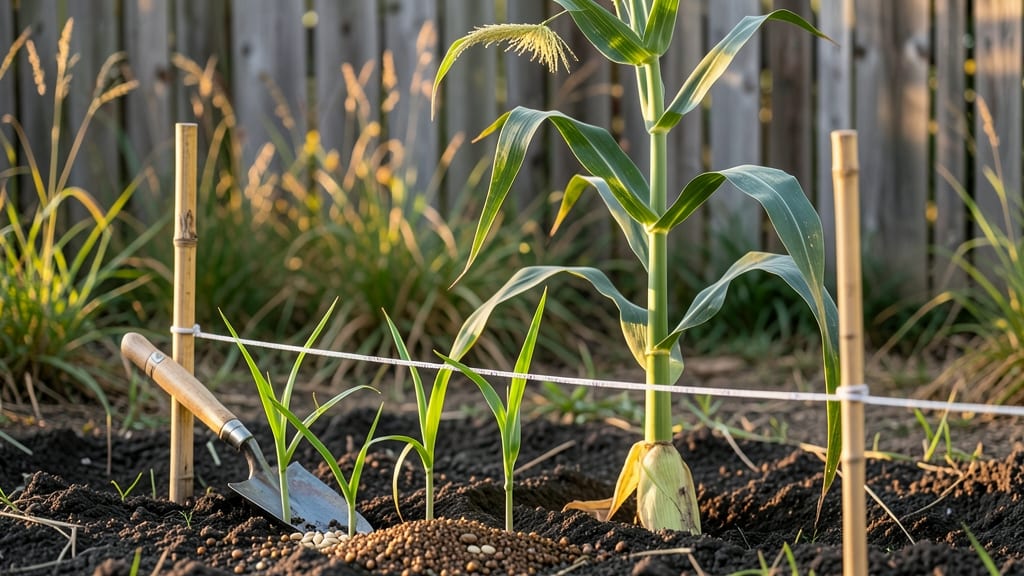
Timing your corn planting in Upstate NY could mean the difference between a thriving 🌽 harvest and a disappointing flop—especially when unpredictable frost dates and cooler microclimates throw a wrench into your plans.
If you've ever stared at your seed packets in early May, wondering whether to plant now or wait, you're not alone.
The key to success lies in understanding your specific region's last-frost averages and soil temperature trends—because planting too early risks frost damage, while waiting too long cuts your growing season short.
I've spent years testing planting windows across Western NY's warmer valleys and the Adirondacks' cooler highlands, and what I'm about to share will help you pinpoint the perfect timing for your local conditions—whether you're growing sweet corn for summer meals or dent corn for fall storage.
From selecting early-maturing varieties to adjusting for microclimates, you'll discover exactly when to put those seeds in the ground for maximum yield, plus common mistakes even experienced gardeners make. Let's get your corn off to the right start!
Upstate NY corn planting dates by microclimate Zone (with frost risk data)
Upstate New York’s diverse microclimates create unique challenges for growing corn—from the warmer lake-effect zones of the Finger Lakes to the cooler high-altitude regions of the Adirondacks. Timing your planting based on last frost dates and soil temperature benchmarks is critical to avoid stunted plants or frost damage.
For corn, you’ll want to plant when soil reaches 50°F+ for 2+ weeks, ensuring roots establish before summer heat arrives.
Each region has distinct frost patterns influenced by elevation, water bodies, and urban heat islands. For example, Western NY’s Genesee Valley often enjoys 2-3 weeks earlier planting than the Adirondacks, where high-altitude areas (USDA Zone 4) face delayed warming.
Using these regional guidelines will help you align your planting with your local climate’s frost-free window and growing degree days.
Below is a microclimate-specific planting guide with last frost averages, ideal planting windows, and soil temperature targets. Always verify with your local NOAA frost data or Cornell Cooperative Extension for real-time adjustments, especially in years with unpredictable spring weather.
| Region | USDA Zone | Avg. Last Frost | Soil Temp. Target | Planting Window | Notes |
|---|---|---|---|---|---|
| Western NY (Genesee Valley) | Zone 6 | May 5–15 | 50°F+ (2+ weeks) | April 20–May 5 | Warmest region; use black plastic mulch for earlier starts. |
| Finger Lakes (Lake Effect) | Zone 5-6 | May 10–20 | 50°F+ (2+ weeks) | April 25–May 10 | Lake breezes delay frost; plant near water for cooler microclimates. |
| Central NY (Syracuse Area) | Zone 5 | May 15–25 | 50°F+ (2+ weeks) | May 1–10 | Moderate risk of late frosts; opt for 85-day varieties. |
| Mohawk Valley (Utica/Rome) | Zone 5 | May 10–20 | 50°F+ (2+ weeks) | April 25–May 5 | Urban heat islands may warm soil faster; monitor closely. |
| Adirondacks (High Altitude) | Zone 4 | May 25–June 5 | 55°F+ (2+ weeks) | May 15–25 | Shortest season; choose 75-day or shorter varieties. |
For Western NY, where USDA Zone 6 conditions prevail, you can start planting as early as late April, provided soil temperatures stabilize above 50°F.
This region benefits from warmer microclimates near cities like Buffalo, where urban heat can accelerate soil warming by 1-2 weeks compared to rural areas.
If you’re in Zone 6, aim to plant sweet corn varieties like ‘Silver Queen’ or ‘Peaches and Cream’ by May 5 to ensure a 90-day harvest window before fall frosts.
The Finger Lakes region offers a unique lake-effect advantage, where water bodies moderate temperatures. Plant near the lakeshore for cooler, frost-free microclimates, especially in areas like Canandaigua or Seneca Lake. However, inland valleys (e.g., Watkins Glen) may experience later frosts, so adjust planting dates accordingly.
Always check local weather forecasts for lake breeze patterns, which can delay frost risks by 7-10 days.
In Central NY, including the Syracuse area, the average last frost date of May 15-25 demands caution. This region’s Zone 5 climate often sees unpredictable late frosts, so consider staggered planting in 2-week intervals to spread harvest times.
For example, plant half your crop by May 1 and the remainder by May 15 to mitigate frost risk while maximizing yield.
Gardeners in the Mohawk Valley (e.g., Utica or Rome) can leverage
How to adjust corn planting for Upstate NY’s unpredictable weather patterns
Upstate New York’s unpredictable spring weather can leave even experienced gardeners guessing about the best time to plant corn. Frost risks and fluctuating temperatures often throw off traditional planting schedules, but with smart adjustments, you can still grow a thriving crop.
The key lies in extending your growing season and using data-driven strategies to protect your investment.
I’ve learned that staggered planting and soil warming techniques are my secret weapons against late frosts.
For example, planting in successive weekly batches ensures a continuous harvest, while black plastic mulch can raise soil temperatures by up to 10°F—critical when Upstate NY’s average last frost date hovers around May 15th but can shift weeks earlier or later.
Here’s my battle-tested approach to adjust corn planting for Upstate NY’s unpredictable climate, broken down into actionable steps:
- 🌱 Monitor soil temps—Wait until soil reaches 50°F+ for 2+ weeks (use a soil thermometer for accuracy). In cooler microclimates like the Adirondacks, this may mean delaying until late May.
- 📅 Stagger plantings—Sow half your seeds at the recommended date, then plant additional batches every 5-7 days for a 3-week harvest window. This spreads risk if early plantings fail.
- 🔥 Use black plastic mulch—Lay it down 1-2 weeks before planting to warm soil faster. This is especially critical in Western NY’s cooler valleys where frosts linger.
- 🌡️ Check NOAA frost predictions—Bookmark your local NOAA forecast page and adjust planting if late frosts are predicted. The Finger Lakes region often sees 10% higher frost risk than Western NY.
- 🌽 Choose early-maturing hybrids—Select 85-100 day varieties like ‘Early Sunglow’ or ‘Silver Queen’. These mature before first fall frosts (typically September 15th in Upstate NY).
One year, I planted my corn too early in the Mohawk Valley, only to watch a late May frost nip the tender seedlings. Since then, I’ve made it a rule to cross-reference NOAA’s 30-day forecast with my local Cooperative Extension Service updates.
This two-pronged approach has saved my crop multiple times.
For high-altitude areas like the Adirondacks (USDA Zone 4), I recommend adding a row cover or low tunnel for the first 2 weeks after planting. This creates a 5-7°F warmer microclimate, giving seedlings a fighting chance against unexpected cold snaps.
Pair this with a drought-tolerant variety like ‘Golden Bantam’ to handle Upstate NY’s variable rainfall.
Finally, don’t overlook the power of observation. I keep a gardening journal to track when my soil actually warms up—because no two springs are alike in Upstate NY.
By combining data (NOAA forecasts), technology (soil thermometers), and traditional wisdom (staggered planting), you’ll turn uncertainty into a reliable harvest—no matter what Mother Nature throws your way. 🌱