
Plants
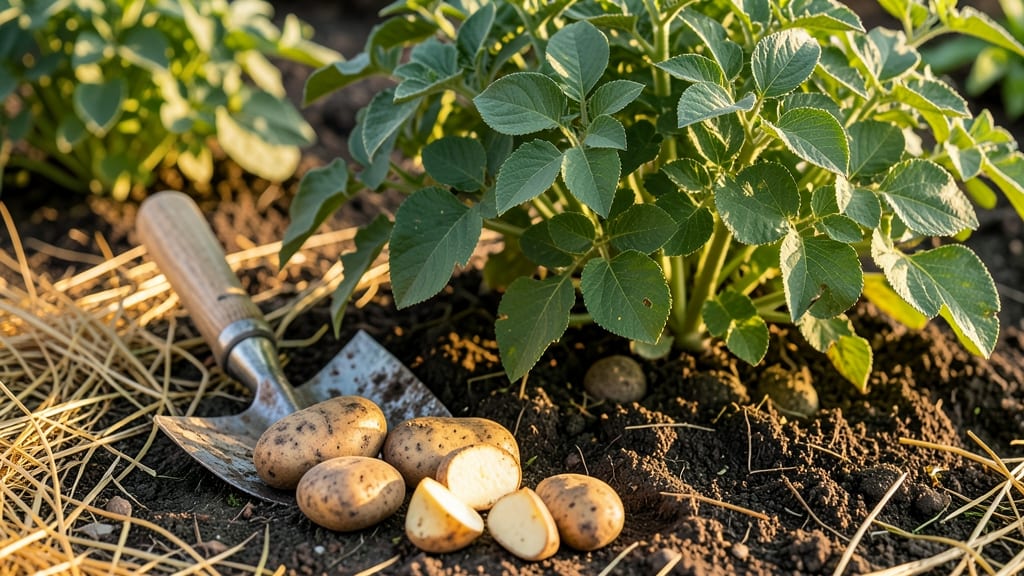
Planting potatoes in Illinois isn't just about throwing them in the ground—it's about beating the clock before frost strikes or summer heat sets in. With USDA zones 5b-6b and unpredictable spring weather, timing your 🥔 crop right can mean the difference between a bountiful harvest and wasted effort.
Most Illinois gardeners wait until mid-April when soil temperatures hit 45°F, but early starters in Southern Illinois might begin as soon as late February. The key is balancing frost risk with soil readiness—plant too soon, and chilly soil stunts growth; too late, and your harvest shrinks.
I’ll break down the best planting windows by variety, frost dates, and even regional quirks (Chicago vs. St. Louis). Whether you’re growing Yukon Golds or Fingerlings, you’ll learn exactly when to start for maximum yield—and how to adjust if Mother Nature throws curveballs.
Ready to dig in? Let’s get your potatoes in the ground at the perfect moment for Illinois’ short but sweet growing season.
Illinois potato planting timeline by frost dates and variety
Timing your potato planting in Illinois depends on your USDA zone (typically 5b-7a) and the last average frost date, which ranges from mid-April in Southern Illinois to early May in Northern Illinois.
Early varieties like Red Pontiac thrive with cooler soil, while Yukon Gold needs warmer conditions. Start indoors or use row covers if planting before the last frost.
For Northern Illinois (Zones 5b-6a), aim to plant 2-4 weeks before your last frost date—usually late April. Southern Illinois gardeners (Zones 6b-7a) can plant 2 weeks earlier, often in mid-to-late March. Soil temperature should be at least 45°F for sprouting to begin.
Here’s a quick reference for Illinois potato planting by variety and region:
If you’re planting early varieties like Red Pontiac, you can even start indoors in February using containers. Place seed potatoes in paper bags with peat moss and keep them in a cool, dark spot until sprouts appear (about 4-6 weeks).
This gives you a 2-week head start before transplanting outdoors.
For Northern Illinois gardeners, consider using black plastic mulch to warm soil faster. Lay it down 2 weeks before planting to raise soil temperature by 5-10°F. This is especially helpful for Yukon Gold, which prefers warmer soil to prevent scab disease.
In Southern Illinois, where frost dates are earlier, you can plant Fingerlings or Red Pontiac as soon as late February in a protected microclimate (e.g., near a south-facing wall).
Use row covers or a cold frame to shield young plants from late spring frosts, which can occur until mid-April.
Pro tip: Cut seed potatoes into 1-2 oz pieces with at least 2 eyes per piece 2 weeks before planting. Let them cure in a dry, dark place to form calluses, reducing rot risk. This works best for mid-to-late season varieties like Kennebec.
Always monitor your local Almanac frost predictions—Illinois’ weather can shift 1-2 weeks earlier or later than average. If frost threatens after planting, cover seedlings with lightweight fabric or a cloche until temperatures rise above 32°F.
For container gardening, plant Fingerlings or Red Pontiac in 5-gallon pots filled with well-draining soil. Place containers in full sun and water consistently—containers dry out faster than in-ground plots. This method extends your planting window into early May if needed.
Finally, remember that soil temperature matters more than calendar dates. Use a soil thermometer to confirm 45°F+ before planting. In cool springs, wait until soil warms naturally—rushing can lead to poor germination or disease
How to adjust planting for Illinois’ unpredictable spring weather
Illinois’ spring weather can be as unpredictable as a Chicago windstorm—one day it’s 70°F and sunny, the next it’s 32°F with frost warnings. For potatoes, this means late frosts can kill tender sprouts, while cold soil slows germination.
The key is flexibility: knowing how to adjust planting times and protect your crop when Mother Nature throws curveballs.
Northern Illinois (like Chicago) often sees last frost dates around April 20-30, while Southern Illinois (St. Louis area) may be frost-free by April 10-15. But don’t rely on averages—check your local Cooperative Extension Service for real-time updates.
Even if the calendar says it’s spring, soil temperature (not air temperature) determines when potatoes will thrive.
⚠️ Late Frost Risk: Don’t Rush Planting!
Even if your seed potatoes sprout indoors in March, planting too early risks frost damage. Wait until soil reaches 45°F (use a soil thermometer!) and air temps stay above 50°F at night. In Northern Illinois, this often means mid-to-late April—not March!
For gardeners eager to get a jumpstart, container gardening is your best friend. Use 5-gallon buckets or black plastic pots to warm soil faster—place them on patios or decks where they absorb sunlight.
Fill with a mix of potting soil and compost, plant your seed potatoes, and cover with a clear plastic dome to trap heat. This can give you a 2-3 week head start over in-ground planting.
If frost sneaks in after planting, don’t panic—frost blankets or row covers (lightweight fabric) can protect young plants. For a permanent fix, try a cold frame (a clear plastic box with a lid) over your potato patch.
It acts like a mini greenhouse, raising soil temps by 10-15°F and extending your growing season. Just remove the cover during the day once temps rise above 60°F to prevent overheating.
Another trick? Plant in ridges—mound soil into 6-inch-high rows and plant potatoes on the sides. This creates warmer microclimates and makes it easier to hill soil around stems as they grow.
In Southern Illinois, where springs warm faster, you can even plant in February under row covers, but always monitor for late frosts that linger into April.
Remember, potatoes hate cold feet—literally. If your soil is still chilly, delay planting rather than forcing it. Use a soil warming trick: lay black plastic mulch over garden beds 2-3 weeks before planting.
This absorbs sunlight and raises soil temps by 5-10°F, speeding up germination. Just remove the plastic before planting and add a 2-inch layer of compost on top.