
Plants
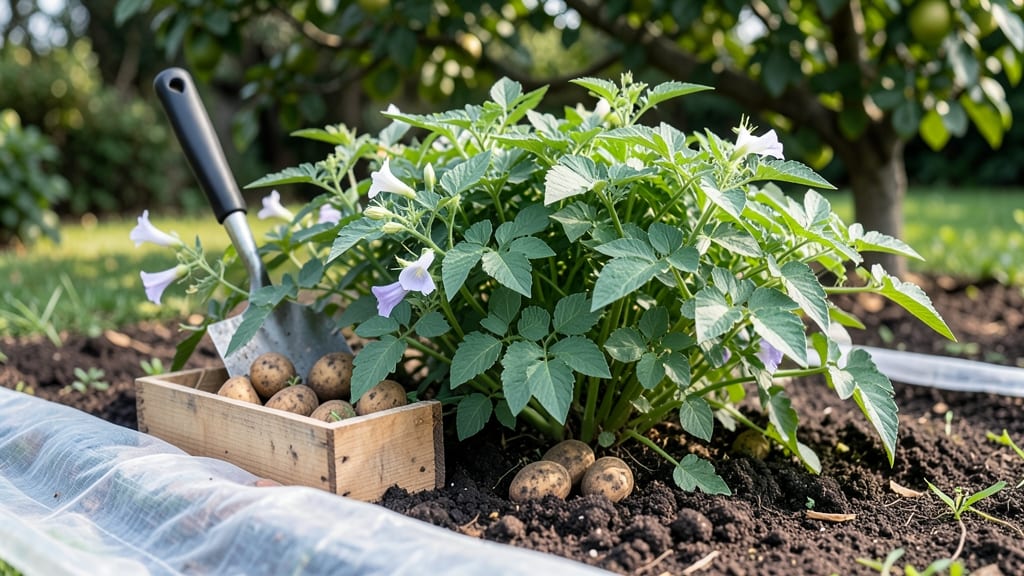
Planting potatoes in Arkansas isn't just about dropping seed potatoes into the dirt—it's about timing them perfectly to avoid bolting and maximize your harvest. With Arkansas's 7a-8b climate, getting the window right means the difference between crisp, golden spuds and bitter, wasted effort.
Most Arkansas gardeners swear by planting their 🥔 between late February and early March for early varieties, but late April can work for heat-tolerant types. The key? Soil temperatures of at least 45°F—any earlier, and you risk frost damage or premature sprouting.
I’ve learned the hard way that Arkansas’s unpredictable springs demand flexibility. Whether you’re in the Delta’s humid lowlands or the Ozarks’ cooler highlands, adjusting your schedule by 2-4 weeks can mean the difference between a thriving crop and a failed attempt.
Ready to turn your Arkansas garden into a potato powerhouse? Let’s break down the exact months, soil prep secrets, and variety-specific tricks that’ll have you harvesting June through August—without a single bolt in sight.
Optimal Arkansas potato planting months by variety type
Arkansas gardeners face a unique challenge with potato planting—the state's variable spring temperatures and humidity swings can turn a great harvest into a bolting disaster. Early varieties like Red Pontiac thrive when planted in February-March, while late varieties such as Yukon Gold need April-May timing to avoid flower spikes.
The key? Understanding your USDA Zone 7a-8b microclimates and soil readiness.
I've planted potatoes in Arkansas for over a decade, and I've learned that soil temperature (not air temperature) determines success. Seed potatoes need 45°F (7°C) minimum to sprout consistently. In northern Arkansas, this often means late February planting, while southern regions can start as early as January under row covers.
The wrong timing leads to premature bolting, where plants flower instead of producing tubers.
Here's my foolproof Arkansas potato planting schedule broken down by variety type, including my tested adjustments for Arkansas's unpredictable springs:
| Variety Type | Planting Window | Arkansas Adjustment | Harvest Time | Key Notes |
|---|---|---|---|---|
| Early Varieties | Feb 15 - Mar 15 | Use row covers for Jan starts in south AR | Mid-May to June | Red Pontiac, Irish Cobbler; fast growers |
| Mid-Season | Mar 1 - Apr 15 | Wait for soil >50°F in north AR | June to July | Yukon Gold, Kennebec; balanced yield |
| Late Varieties | Apr 1 - May 1 | Essential for Ozarks; avoid heat stress | July to August | Fingerlings, Purple Viking; storage types |
| New Potatoes | Mar 15 - Apr 1 | Plant in containers for urban AR gardeners | May to June | Ratte, LaRouche; harvest small tubers |
For early varieties, I recommend starting seed potatoes indoors in January using the chit-pot method—placing them in egg cartons near a sunny window until sprouts appear. This gives you a 2-week head start on Arkansas's unpredictable spring.
In my Zone 7b garden, I've found that planting Red Pontiac by February 20th ensures tubers form before the April warmth triggers bolting.
Mid-season varieties like Yukon Gold need that April 1st window because Arkansas's soil warms slowly—especially in the Ozark Mountains. I've seen gardeners in Bentonville rush planting in March and end up with stunted tubers because the soil stayed below 50°F (10°C).
Use a soil thermometer to confirm readiness—45°F minimum, 55°F ideal.
Late varieties such as Fingerlings are my favorite for Arkansas summers because they handle heat better than early types. Plant these after April 15th when nighttime temperatures stay above 55°F (13°C).
In southern Arkansas, I've extended planting to May 1st with shade cloth during the hottest afternoons to prevent tuber scab.
One mistake I see often is planting all varieties at once. Arkansas's extended growing season (about 200 frost-free days) lets you stagger plantings for continuous harvests. Start with early types in February, add mid-season in April, and finish with late varieties in May.
This 3-phase approach gives you potatoes from May through August.
Don't forget about Arkansas's wet springs—excess moisture causes disease pressure. I always raise beds 6-8 inches and add compost to improve drainage. For
How to adjust planting dates for Arkansas microclimates
Arkansas’s diverse geography—from the humid Delta to the cooler Ozarks—means planting dates can vary by 100+ miles. In the southern Delta, where frost lingers until mid-March, aim for late February to early March for early varieties.
Meanwhile, gardeners in the northern Ozarks (USDA Zone 7a) should wait until mid-April to avoid frost damage.
Soil temperature is your best guide: potatoes need 45°F (7°C) soil to sprout reliably. Use a soil thermometer—if temps dip below this, delay planting. In Northwest Arkansas, where nights stay chilly longer, consider row covers to protect young plants from late frosts.
🌱
For container growing, adjust dates by 2–3 weeks earlier—pots warm up faster than in-ground soil. Place containers near south-facing walls or under row covers to extend the season. In wet springs (common in Arkansas), raise beds to improve drainage and prevent rot.
If you’re in a frost-prone valley, plant on sloped ground where cold air drains away. For high-elevation areas, choose early-maturing varieties like Red LaSoda (70 days) to finish before summer heat sets in.
Always check the Arkansas Cooperative Extension Service for localized frost alerts. Their frost-free date maps can save your crop from unexpected late frosts.
✂️