
Plants
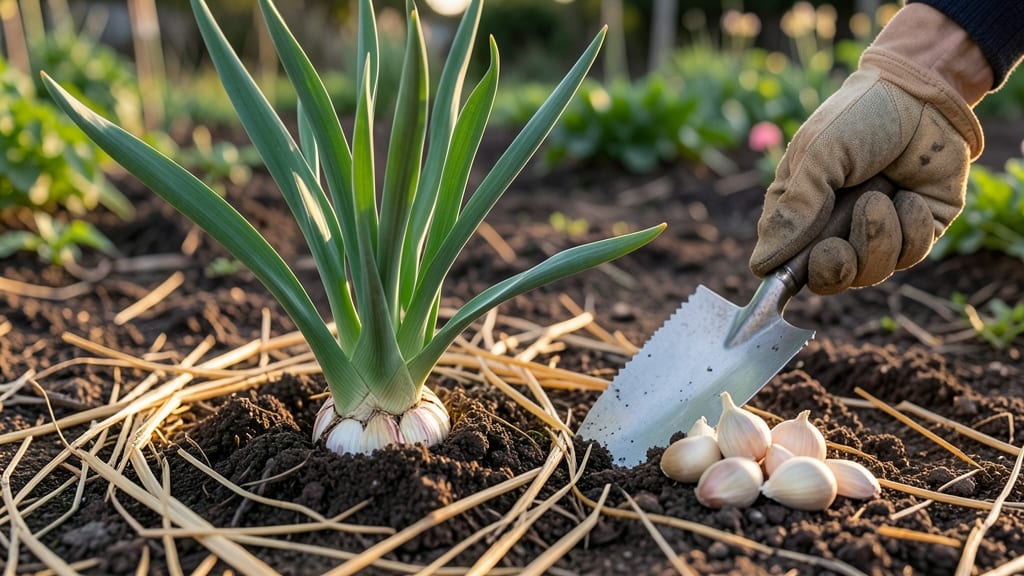
Planting garlic in Alabama at the wrong time means watching your crop bolt into bitter, useless stalks instead of plump, flavorful bulbs—and that’s a risk no gardener needs.
The key to success lies in understanding Alabama’s unique climate, where USDA zones 7b-8a and humid subtropical conditions demand precise timing for zero-bolt harvests.
Most gardeners in Alabama swear by fall planting, but the exact window matters more than you think. If you plant too early, the cloves may sprout before winter sets in; too late, and the garlic won’t establish strong roots before the heat of summer arrives.
The sweet spot? October to November, when soil temperatures dip but frost hasn’t yet frozen the ground.
Why does timing matter so much? Because garlic grows best when it experiences cold winter temperatures—a process called vernalization—before the heat of Alabama’s summers triggers bolting. Skip this step, and you’ll end up with skinny, flavorless cloves or worse, flowers instead of bulbs.
In this guide, I’ll break down the exact months to plant for maximum yield and flavor, how to prep your soil for Alabama’s clay-heavy earth, and the best varieties that thrive in this region. Let’s get your garlic off to the perfect start.
Best months to plant garlic in Alabama for zero-bolt success
Alabama’s humid subtropical climate creates the perfect conditions for growing garlic, but only if you plant at the right time. The key to avoiding bolting (premature flowering) lies in understanding your USDA Zone and soil temperatures.
For most of Alabama—spanning Zones 7b-8a—the ideal planting window is between mid-October and mid-November, when soil temps drop below 70°F but before hard freezes hit.
This timing ensures garlic bulbs develop underground during winter’s cooler months, while avoiding the heat stress that triggers bolting. In North Alabama (Zone 7b), you’ll have a slightly shorter window—plant by October 15th—while South Alabama (Zone 8a) gardeners can extend planting until November 15th without risking bolting.
The goal is to give your garlic 60-90 days of winter chill before spring growth resumes.
Here’s the science behind it: Garlic needs vernalization (a cold period) to form bulbs properly. Planting too early (like September) exposes cloves to warm soil temperatures, which can cause them to sprout and bolt before winter.
Planting too late (December or later) risks freezing before roots establish. The 4-6 week window before your first frost date is your sweet spot.
🌱
| Planting Window | USDA Zone | Soil Temp | Bolt Risk | Action |
|---|---|---|---|---|
| Mid-October | 7b-8a | 60-70°F | Low | Plant hardneck varieties |
| Late October | 7b-8a | 50-60°F | Very Low | Best time for softnecks |
| Mid-November | 8a | 45-55°F | Low | Last chance for Zone 8a |
| December | 7b-8a | Below 50°F | High | Avoid unless soil is workable |
| September | 7b-8a | 75°F+ | Very High | Only for spring harvest (risky) |
If you’re in North Alabama (Zone 7b), aim to plant by October 15th—this gives your garlic enough time to establish roots before winter.
In South Alabama (Zone 8a), you’ve got a little more flexibility, but don’t push past November 15th unless you’re using a mulch blanket to protect cloves from erratic freezes. My personal trick?
Plant a test clove in early October to monitor soil temps—if it sprouts within 10 days, the soil’s too warm, and you’ll need to wait.
For gardeners who miss the fall window, spring planting is possible but comes with trade-offs. Plant in February for a summer harvest, but expect smaller bulbs and higher bolting risk due to Alabama’s heat.
If you choose this route, opt for softneck varieties like Silverskin, which handle heat better than hardnecks. Just be prepared to harvest earlier—by June—before temperatures climb above 85°F.
Pro tip: Use a soil thermometer to check temps before planting. Garlic cloves need soil between 50-60°F to germinate properly. If your soil runs warmer, wait a few weeks or plant in a shady spot
How to avoid garlic bolting in Alabama’s hot climate
Alabama’s hot summers and humid subtropical climate create the perfect storm for garlic bolting—when your plants flower prematurely instead of forming bulbs. This happens when garlic senses rising temperatures too early, triggering a survival response.
The key to avoiding this is understanding when and how to plant, plus a few smart gardening tricks to keep your garlic focused on bulb-building.
Bolting isn’t just frustrating—it ruins your harvest. Instead of plump, flavorful bulbs, you end up with tiny, pungent flowers and underdeveloped cloves.
But don’t worry: with the right variety selection, soil prep, and mulching strategies, you can outsmart Alabama’s heat and grow garlic that stays true to its purpose.
High-Risk vs. Low-Risk Planting Months in Alabama
| Month | Risk Level | Why? |
|---|---|---|
| September | ⚠️ High Risk | Soil temps still warm; early bolting likely before winter chill sets in. |
| October | ✅ Low Risk | Ideal window—cool nights and warming days balance growth without triggering bolting. |
| November | ✅ Low Risk | Perfect for North Alabama (Zone 7b); South Alabama (Zone 8a) may need earlier planting. |
| December | ⚠️ Moderate Risk | Late planting may delay bulb formation but reduces bolting risk if soil stays cool. |
| January-February | ❌ Very High Risk | Spring planting in Alabama almost always results in bolting due to rising temps. |
Pro Tip: Use hardneck varieties for October-November planting—they handle Alabama’s winters better than softnecks.
Start by choosing the right garlic variety for Alabama’s climate. Hardneck garlic (like ‘Music’ or ‘Chesnok Red’) thrives in cooler winters and is less likely to bolt early. Softneck garlic (like ‘Silverskin’) tolerates heat better but needs consistent moisture to avoid stress-induced bolting.
For Alabama, I recommend sticking with hardnecks—they’re more forgiving of our unpredictable winters.
Prevent bolting by preparing your soil with organic matter like compost or well-rotted manure. Garlic hates compacted or waterlogged soil, which stresses roots and triggers bolting. Test your soil’s pH—aim for 6.0–7.0.
If it’s too acidic, add lime in the fall. A well-draining raised bed is a game-changer for Alabama’s heavy clay soils, giving roots room to breathe and reducing stress.
Mulching is your secret weapon against bolting. After planting, cover the bed with 4–6 inches of straw or leaves to insulate roots from temperature swings. In Alabama’s mild winters, mulch keeps soil temps steady, preventing the cold shock that can trigger bolting.
Replenish mulch in late winter to protect emerging shoots from warm spells that fool garlic into thinking spring has arrived.
Watering plays a critical role too. Deep, infrequent watering encourages strong root growth, while shallow, frequent watering stresses plants and can trigger bolting. Aim for 1 inch of water per week, delivered in the morning to reduce fungal risks.
Avoid wetting foliage—water at the base of plants instead. If you notice leaves yellowing or wilting, it’s a sign of stress, and your garlic may bolt prematurely.
Finally, keep an eye on your garlic’s growth stages. If you see flower stalks (scapes) emerging in February or March, it’s too late to stop bolting—but you can harvest the scapes for cooking and redirect the plant’s energy back into bulb development.
For zero-bolt harvests, focus on October planting, proper mulching, and consistent care—Alabama’s heat won’t stand a chance. 🌱