
Plants
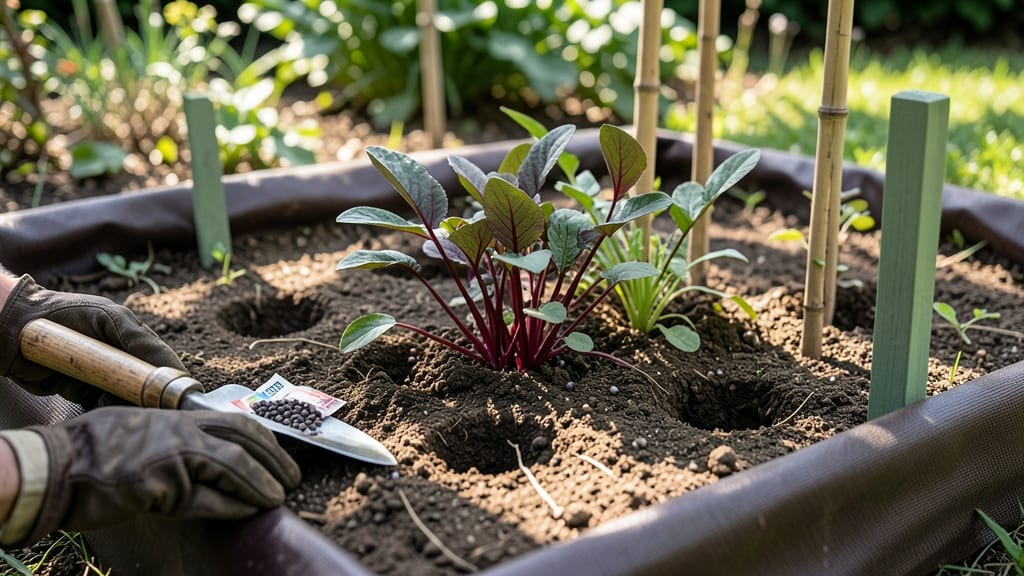
Planting beets in Kansas at the wrong time can turn your sweet harvest into bitter disappointment—especially when those 50-degree nights linger just a little too long.
I’ve learned the hard way that timing isn’t just about avoiding frost; it’s about syncing with Kansas’ unpredictable swings between spring warmth and sudden cold snaps that trigger bolting.
The key to zero-bolt beets starts with knowing exact months to plant, whether you’re in Wichita’s Zone 7 or Topeka’s Zone 6. Too early, and your greens will shoot skyward before the roots even plump up.
Too late, and you’ll miss the summer-fall harvest window when beets taste their sweetest. Let me show you the precise calendar Kansas gardeners swear by.
Beyond the calendar, there’s an art to extending your harvest—like succession planting every 2-3 weeks to keep your table stocked from June through October.
I’ll break down the soil prep secrets (yes, Kansas clay has its quirks) and how to spot the signs of a perfect beet before it even hits your plate.
Ready to grow beets that stay tender, sweet, and bolting-free? Let’s dive into the step-by-step schedule that’s worked for me—and thousands of other Kansas gardeners—year after year.
Kansas beet planting calendar: exact months to avoid bolting
Beets thrive in Kansas' moderate climate, but timing is critical to avoid premature bolting. In USDA Zones 5-7, soil temperatures below 40°F or above 80°F trigger bolting. Spring and fall plantings offer the best balance for tender, sweet harvests.
Kansas City typically sees last frost dates between April 10-20, while Wichita and Topeka average April 5-15. These dates mark the perfect window for early spring plantings—just as soon as soil reaches 50°F and stays reliably warm.
Fall plantings should begin 8-10 weeks before first frost, which usually arrives between October 15-30 across the state. This timing ensures beets mature before winter sets in, delivering a second harvest of crisp, flavorful roots.
Regional variations matter: Wichita's drier climate benefits from mulching to retain moisture, while Topeka's higher humidity requires well-draining soil to prevent rot. Kansas City's moderate conditions offer the most flexibility for both spring and fall plantings.
Here’s a side-by-side comparison of optimal planting windows for Kansas’ three major regions, including soil temperature thresholds and frost dates to guide your schedule:
| Region | Spring Planting Window | Soil Temp Threshold | Fall Planting Window | First Frost Date |
|---|---|---|---|---|
| Wichita (Zone 6b) | Mid-March to early April | 50-55°F | Mid-August to early September | October 15-20 |
| Topeka (Zone 5b) | Late March to mid-April | 50-55°F | Late July to mid-August | October 20-25 |
| Kansas City (Zone 6a) | Late March to early April | 50-55°F | Early August to mid-September | October 10-15 |
For spring plantings, start seeds indoors 4-6 weeks before your region’s last frost date. Transplant seedlings outdoors once soil warms to 50°F and nighttime temperatures stay above 40°F. This two-step approach helps seedlings establish before Kansas’ unpredictable late spring frosts.
In fall, focus on short-day varieties like 'Detroit Dark Red' or 'Golden', which mature faster in cooler weather. Plant seeds directly into the garden 8-10 weeks before first frost, aiming for harvests before soil temperatures drop below 40°F.
Use shade cloth during summer heatwaves to protect young seedlings from bolting. Even a 30% shade cloth can lower soil temperatures by 5-10°F, creating ideal conditions for slow, steady growth without stress.
Extend your harvest by succession planting every 2-3 weeks from spring through early summer. This staggered approach ensures a continuous supply of fresh beets, even as temperatures rise. Pair with cool-season crops like lettuce or spinach for a diverse, low-maintenance garden.
Monitor soil moisture closely—consistent watering prevents bolting. Let the top 1-2 inches of soil dry between waterings to encourage deep root growth, but never allow the soil to become bone-dry. Mulch with straw or grass clippings to retain moisture and regulate temperature.
With these region-specific timelines and soil strategies, you’ll enjoy crisp, bolt-free beets from spring through fall—no matter where you garden in Kansas. Happy planting! 🌱
How to extend beet harvests in Kansas: succession planting tips
Kansas’ short growing season means missing out on fresh beets doesn’t have to be inevitable. By using succession planting, you can enjoy tender, sweet beets from early summer through fall.
The key is staggered plantings every 2-3 weeks, ensuring a continuous supply while avoiding the dreaded bolting that ruins flavor.
Start with cold-hardy varieties like Detroit Dark Red or Boltardy—these handle Kansas’ unpredictable spring weather better than heat-sensitive types. For heat-tolerant options, try Chioggia or Golden—these thrive as temperatures climb, extending your harvest window into late summer.
Before planting, amend your soil with compost and aged manure to improve drainage and fertility. Beets hate soggy roots, so Kansas’ clay-heavy soils need extra organic matter to prevent rot.
A soil test (available through K-State Extension) confirms your pH is between 6.0-7.0—beets won’t bolt as easily in ideal conditions.
-
1First Planting: Early April (after last frost, when soil reaches 50°F)
-
2Succession Plantings: Every 2-3 weeks until mid-July (stop 8 weeks before first frost)
-
3Fall Planting: Late July-August for harvest before winter (use cold-hardy varieties)
-
4 Shade Cloth: Use 30% shade cloth in July-August to prevent bolting from heat stress
For heat-sensitive varieties, deploy shade cloth (30% coverage) during peak summer months to keep soil temps below 85°F. This simple trick can add 4-6 weeks to your harvest season.
Water deeply in the morning to reduce evaporation and mulch with straw to retain moisture—Kansas’ dry winds can dry out young seedlings in minutes.
Harvest beets when they reach 1-2 inches in diameter for baby beets or wait until 2.5-3 inches for full-sized roots. Use a fork to loosen soil before pulling to avoid damaging the greens.
Store harvested beets in the fridge for up to 2 weeks or preserve them by pickling or roasting for winter meals.
With these succession planting strategies, you’ll enjoy fresh beets from June through October—no more sad, bolted greens in your garden! The secret? Plan ahead, stagger plantings, and protect from heat—your taste buds (and dinner table) will thank you.