
Plants
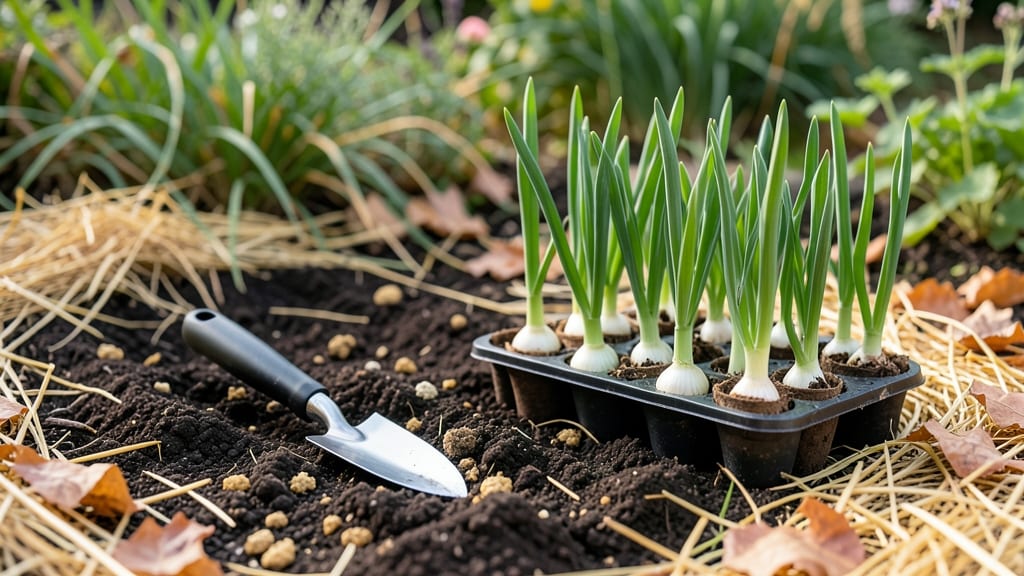
To plant onions in the fall without ending up with bitter, bolted greens instead of sweet bulbs, timing is everything—and it depends on where you live.
In zone 6a, like much of the Midwest, you’ve got a 4-6 week window before the ground freezes, but get it wrong, and your harvest could vanish before summer. The key? Understanding your microclimate’s last frost date and adjusting for soil temperature, not just calendar months.
Most gardeners assume "fall planting" means September or October, but the truth is more nuanced. If you’re in a cooler region, you might need to start as early as August, while warmer climates can wait until November.
I’ve learned the hard way that rushing or delaying by even a week can turn your 🧅 crop into a flop. The solution? A simple soil thermometer and a local frost chart—tools that save you from wasted effort.
Here’s what I’ll show you: the exact planting dates for your zone, how to prep soil for overwintering success, and which onion varieties actually thrive when planted in fall (spoiler: long-day onions are a no-go).
Whether you’re a first-time gardener or a veteran looking to refine your method, these steps will help you grow onions that store like gold through winter.
Let’s dive into the details—because the difference between a bountiful harvest and a failed experiment often comes down to knowing when (and how) to plant. Ready to get it right?
Fall onion planting zones: exact dates by USDA hardiness Zone
Getting your fall onion planting right means avoiding bitter bolting and maximizing sweet, storable bulbs. The key? Planting 4-6 weeks before your first frost—but exact dates vary wildly across USDA zones 3-10.
In Zone 3, you’ll plant by late August, while Zone 10 gardeners wait until November. Let’s break down the precise window for your region, plus how to adjust for microclimates that can throw off your timing.
Onions thrive when they experience cold vernalization (40-50°F soil temps) before winter dormancy. Plant too early, and they’ll bolt prematurely; too late, and they won’t mature before frost. The USDA zone map is your starting point, but local frost dates, soil warmth, and elevation demand fine-tuning.
For example, Pacific Northwest gardeners in Zone 8 might plant in early October, while Deep South Zone 9 gardeners wait until mid-November to avoid heat stress.
⚠️ Pro Tip: Use a soil thermometer to confirm temps hit 40-50°F before planting. Cold soil delays growth, while warm soil triggers bolting.
| USDA Zone | First Frost Date | Ideal Planting Window | Soil Temp Threshold | Regional Adjustments |
|---|---|---|---|---|
| Zone 3 (Northern Plains, Canada) | Mid-September | Late August | 40-45°F | Plant 2-3 weeks earlier if soil warms quickly. |
| Zone 4 (Upper Midwest, New England) | Late September | Early to mid-September | 40-48°F | Avoid low-lying areas—frost pockets delay planting. |
| Zone 5 (Great Lakes, Northeast) | Mid-October | Late September | 45-50°F | Urban gardens may need row covers for late frosts. |
| Zone 6 (Midwest, Appalachia) | Late October | Early to mid-October | 48-52°F | High desert areas (e.g., Colorado) plant 1 week later. |
| Zone 7 (Southeast, Midwest) | Early November | Mid-October | 50-55°F | Coastal areas (e.g., California) can plant until November 15. |
| Zone 8 (Deep South, Southwest) | Mid-November | Late October | 52-58°F | Avoid hot afternoons—plant in early morning. |
| Zone 9 (Southern California, Florida) | Late November | November 1-15 | 55-60°F | Use shade cloth if temps exceed 70°F. |
| Zone 10 (Arizona, Southern Florida) | December 15 | Mid-November | 58-62°F | Plant in high-elevation areas first to escape heat. |
In Zones 3-5, prioritize short-day onion varieties like 'Crystal Wax' or 'Sweet Sandwich'—they handle cold better and resist bolting. Zones 6-10 can experiment with intermediate-day types like 'Yellowstone' or 'Red Baron', but avoid long-day onions (e.g., 'Copra'), which bolt in warm fall soils. For example, my Zone
Microclimate adjustments: how soil, elevation, and wind affect timing
Your USDA zone gives you a starting point, but microclimates can shift your onion planting window by weeks. Cold soil temperatures below 50°F delay germination, while wind exposure dries out young plants faster.
Even elevation changes of 1,000 feet can mean 2-3 weeks difference in frost dates—critical for fall onions that need 4-6 weeks before dormancy.
In urban gardens, pavement and buildings create "heat islands" that may fool you into planting too early. Meanwhile, frost pockets in low-lying areas can trap cold air, forcing you to delay planting by 10-14 days.
High deserts like Albuquerque experience dry soil that warms faster than coastal areas, while mountainous regions may have shorter growing seasons despite similar zones.
⚠️ callout warning ⚠️
⚠️ Critical Timing Pitfalls
Planting too early: Onions exposed to cold soil (<50°F) may rot before sprouting. In Zone 5, this means avoiding mid-August starts unless using row covers.
Wind exposure risk: Unprotected plants in open fields dry out 30% faster. Use windbreaks (e.g., corn stalks) or plant near fences/walls to reduce stress.
Elevation oversight: Every 1,000 ft gain delays frost by 3-5 days. Adjust your planting window backward by 1 week per 500 ft in mountainous areas.
To test soil readiness, use the finger test: Push your finger 2 inches deep—if the soil feels cooler than 55°F, wait 7-10 days. For high-desert gardens, water the soil 24 hours before planting to help retain heat.
In coastal climates, where humidity slows drying, you can plant 2 weeks earlier than inland zones.
Modify your planting window with these elevation adjustments:
- Below 2,000 ft: Follow standard USDA zone dates (e.g., Zone 6: late September).
- 2,000–4,000 ft: Delay by 1 week (e.g., Zone 6: early October).
- Above 4,000 ft: Delay by 2 weeks (e.g., Zone 6: mid-October).
For urban microclimates, check your sun exposure too. South-facing walls can add 5–10°F to soil temps, while north-facing areas may stay 10°F cooler.
If your garden sits in a frost pocket, plant yellow onion sets (faster maturing) instead of long-day varieties, which need more time to bulb.
Pro tip: Group onions with shallow-rooted companions like lettuce or spinach—their canopy reduces soil temperature swings by 3–5°F. In windy areas, mulch with straw to lock in moisture and protect emerging shoots from desiccating winds.