
Plants
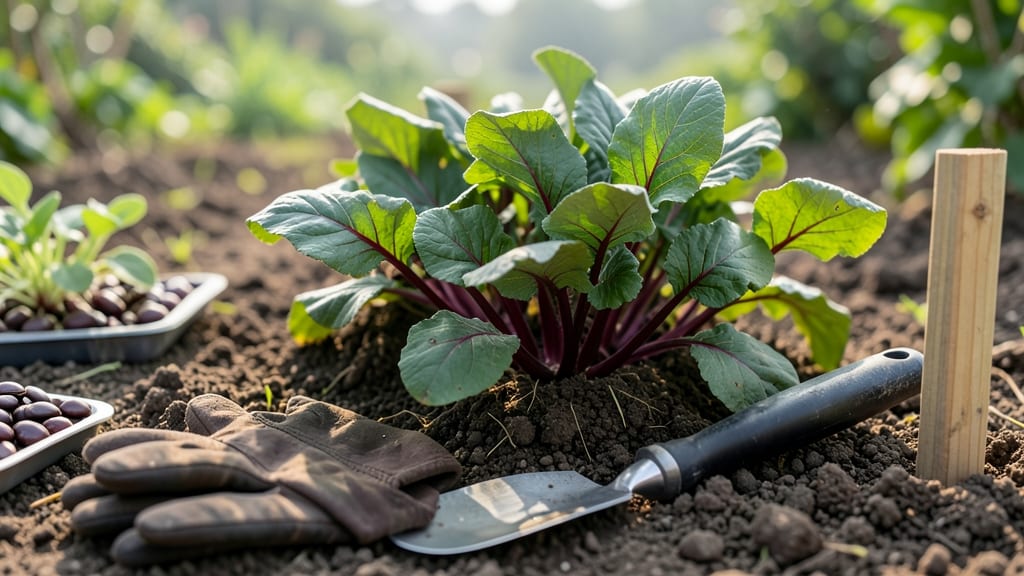
Planting beets in Arkansas isn't just about tossing seeds into the dirt—it's about timing them perfectly to avoid the dreaded bolting (when they flower too soon and turn woody). If you've ever pulled up bitter, stringy beets only to wonder what went wrong, you're not alone.
The key to sweet, tender 🍠 harvests lies in understanding Arkansas' unique microclimates and frost dates, which can vary by 50°F or more across the state.
For most of Arkansas—especially zones 7a-8a—the ideal windows are February to March for spring planting and August to September for fall. But here's the catch: planting too early in the Delta or too late in the Ozarks can mean wasted effort.
I'll break down exactly when to start seeds indoors or direct-sow outdoors, plus how to adjust for raised beds or containers where temperatures run hotter.
Beyond dates, soil temperature and mulch choices make all the difference. Beets thrive when soil hits 50°F, but Arkansas' unpredictable spring can throw off even the best-laid plans.
I'll share my go-to strategies for extending the season—like succession planting and cold-hardy varieties—that keep your harvest going from April through November.
Ready to grow beets that actually taste like summer? Let's dive into the exact planting schedule, soil prep secrets, and microclimate tweaks that'll turn your Arkansas garden into a beet bonanza. No more guesswork, just consistent results.
Arkansas beet planting zones: exact dates by microclimate for zero-bolt harvests
Arkansas gardeners face a unique challenge with beets—bolting (premature flowering) can turn sweet roots bitter if planted at the wrong time. The state’s five distinct microclimates create wildly different planting windows, from the cool Ozarks to the humid Delta.
To avoid wasted effort, I’ve broken down the exact planting dates for each zone, using soil temperature thresholds and local frost data to maximize your harvest.
Beets thrive when soil temperatures stay above 50°F—any cooler, and germination slows dramatically. In Arkansas, this means waiting until late February to early March in most regions, but earlier in the Southeast and later in the Ozarks.
Fall plantings should happen 8–10 weeks before your first frost, typically August to early September, depending on your zone. Let’s dive into the specifics.
| Zone | Spring Planting Window | Soil Temp Threshold | Fall Planting Window | Key Adjustments |
|---|---|---|---|---|
| Northwest | March 1–15 | 50°F+ (wait for last frost) | August 15–30 | Use row covers for early starts |
| Delta | February 20–March 10 | 55°F+ (warmer soils needed) | August 1–15 | Watch for humidity-induced bolting |
| Ozarks | March 15–April 1 | 50°F+ (cooler nights delay germination) | September 1–15 | Prioritize cold-hardy varieties |
| River Valley | February 28–March 10 | 52°F+ (moderate climate) | August 10–25 | Succession plant every 2 weeks |
| Southeast | February 1–15 | 53°F+ (earliest zone) | July 30–August 10 | Use shade cloth in summer |
For Northwest Arkansas, where last frosts can linger until March 15, I recommend starting seeds indoors in late February and transplanting after the soil warms to 50°F.
The Delta region, with its earlier springs, lets you plant as early as February 20, but beets here may bolt faster due to higher humidity. In the Ozarks, cooler nights mean waiting until mid-March—patience pays off with fewer bolting issues.
Fall plantings are trickier. In the Southeast, where summers are brutal, I plant my last batch by August 10 to avoid heat stress. Meanwhile, the Ozarks can handle a September 1 start thanks to their cooler climate.
Pro tip: Use black plastic mulch to warm soil faster in spring or keep it cooler in fall—this extends your planting window by 1–2 weeks in most zones.
One mistake I see often? Planting beets when daytime temperatures exceed 80°F. This triggers bolting within 3–4 weeks. To avoid this, I always check the Arkansas Climate Office’s 7-day forecast before sowing.
If highs are forecasted above 75°F, I delay or use shade cloth until conditions improve. For fall plantings, aim for soil temps below 70°F at night to prevent early flowering.
Soil prep is just as critical as timing. Arkansas’ clay-heavy soils in the Delta and sandy loams in the Ozarks both need amendments. I mix in 2–3 inches of compost and a balanced fertilizer (5-10-10) at planting to ensure steady growth.
In raised beds, which warm up faster, you can plant 2 weeks earlier
How to extend beet season in Arkansas: succession planting and cold-hardy varieties
Arkansas’s long, humid growing season can be a double-edged sword for beet lovers. While summer heat triggers bolting in many varieties, strategic planning lets you harvest sweet, tender beets from early spring through late fall. The key? Succession planting and selecting heat-tolerant varieties that thrive in Arkansas’s 90°F+ spikes.
Most gardeners focus on spring planting (February–March), but Arkansas’s fall frost dates (mid-November) open a second window. By staggering plantings every 2–3 weeks, you can enjoy fresh beets for 6+ months.
Cold-hardy varieties like ‘Detroit Dark Red’ and ‘Golden Beet’ are your best bets—they resist flowering in heat and stay crisp even after light frosts.
⚠️ PROS-CONS BOX: WHEN TO PLANT BEETS IN ARKANSAS ⚠️
- Pros: Early harvests, cooler soil temps
- Cons: Risk of frost damage if planted too early
- Pros: Avoids summer heat, longer harvest window
- Cons: Bolting risk if planted too late
- Pros: Continuous harvests, maximizes space
- Cons: Requires regular sowing (time-intensive)
- Pros: Heat/bolt resistant, stores well
- Cons: Slower growth in hot weather
For spring plantings, start seeds indoors in late January or direct-sow in early February when soil temps hit 50°F+. Use black plastic mulch to warm soil faster and deter weeds.
In summer’s oppressive heat, switch to shade cloth (30–50%) and prioritize ‘Chioggia’ or ‘Bulls Blood’, which handle Arkansas’s 95°F afternoons better than standard varieties.
Fall is your secret weapon—plant ‘Detroit Dark Red’ in late July to early August for harvests through November’s first frost. Protect seedlings with row covers during heat waves (above 85°F) to prevent bolting.
Arkansas’s humidity also makes disease resistance critical; opt for ‘Golden Beet’ if powdery mildew is a concern in your microclimate.
Pro tip: Test soil moisture before watering—beets need 1–1.5 inches weekly, but Arkansas’s clay soils drain poorly. Amend beds with compost and use drip irrigation to avoid fungal issues. Harvest young beets (1–2 inches) for tender greens or let mature for storage roots (up to 3 inches).
With these tactics, you’ll turn Arkansas’s extreme seasons into a beet lover’s paradise—no bolting, no wasted space, just homegrown harvests year-round. 🌱