
Plants
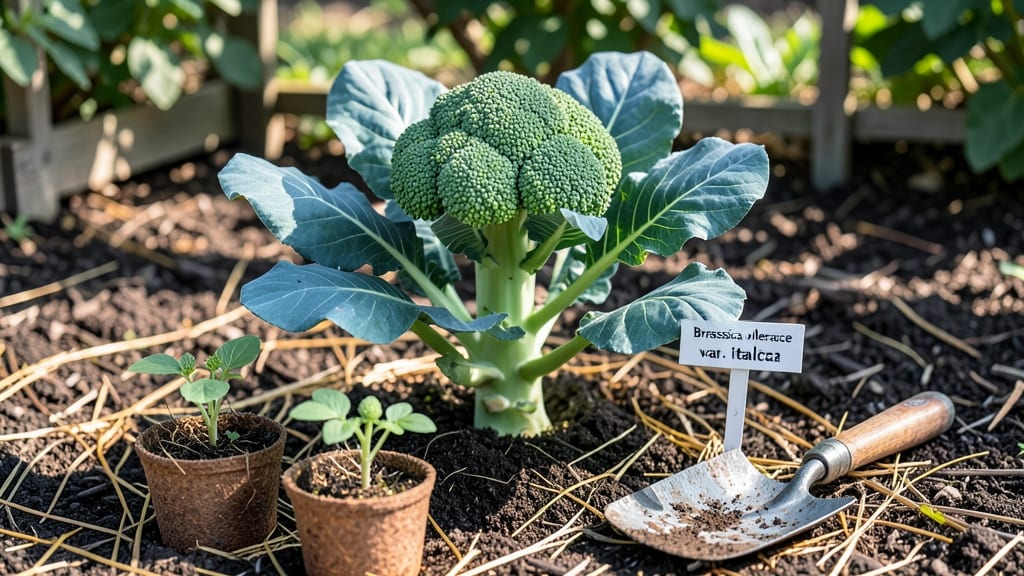
Timing your broccoli 🥦 planting in Northern California isn’t just about following a calendar—it’s about outsmarting the region’s tricky microclimates. Plant too early near the coast, and your broccoli bolts before you even see a head; too late inland, and summer heat turns your crop into sad, bitter stalks.
The right window—whether you’re in the Bay Area’s foggy chill or Sacramento’s baking sun—makes all the difference.
Here’s the secret: Northern California’s 8a-9b zones demand precision. Coastal areas can start seeds as early as February, while inland spots wait until late March to avoid heat stress. But don’t stop there—fall plantings in August-September set you up for a second harvest before winter sets in.
I’ll break down the exact dates for your specific corner of the state, so you can skip the guesswork.
You’ll also discover how to prevent bolting—the gardener’s worst nightmare—with soil tricks, watering hacks, and the best bolt-resistant varieties for California’s climate. Plus, I’ll show you how to stretch your harvest with succession planting, so your kitchen stays stocked from spring through winter.
Let’s get those broccoli crowns thriving.
Whether you’re a first-time gardener or a seasoned green thumb, this guide cuts through the confusion. By the end, you’ll know not just when to plant, but how to grow broccoli that’s big, bold, and ready to harvest—no matter where you are in Northern California.
Northern California broccoli planting calendar by microclimate zone
Northern California’s microclimates create unique challenges for broccoli growers. The coastal fog of San Francisco delays spring, while inland areas like Sacramento experience warmer soils earlier. High-desert zones like Redding face hotter summers and earlier frosts.
To succeed, I’ve mapped out precise planting windows for each zone, accounting for frost dates and heat tolerance thresholds.
Broccoli thrives in cool weather (50–75°F) but bolts when temperatures exceed 80°F. Coastal areas can plant earlier due to moderate spring temperatures, while inland regions must time plantings to avoid summer heat. Here’s how to align your calendar with your local climate for zero-bolt success.
🌱 Key Rule: Plant broccoli when soil temperatures are 40–60°F and daytime highs stay below 75°F. Use these microclimate-specific windows to avoid wasted effort or lost harvests.
For coastal gardeners, start seeds indoors in January for transplants by late February. Coastal areas like Monterey can handle direct sowing as early as mid-February, thanks to cooler soils. Inland zones should wait until March 1 to avoid early heat stress.
💡 Pro Tip: Use shade cloth (30–50%) if planting in late spring to protect seedlings from bolting. Coastal areas can skip this in early spring, but inland gardens benefit from afternoon shade during peak summer months.
Fall plantings are critical for a second harvest. Coastal zones can sow seeds until late September, while inland areas must finish by early August to mature before first frost. High-desert regions have the shortest window—early August is the cutoff.
Broccoli planted in fall often produces larger heads with cooler nights. In Sacramento, aim for August 15 sowing dates. Use row covers to extend harvests into December in coastal areas, where frosts are milder.
Soil temperature is your best indicator for success. Use a soil thermometer to confirm 40–60°F before planting. In Redding, wait until mid-March—earlier plantings risk stunted growth from cold soils.
Adjust for local variations. If your San Francisco garden sits in a sunny microclimate, plant 2 weeks earlier than the coastal average. Conversely, shaded inland spots may need delayed plantings to avoid waterlogged soil.
For succession planting, stagger sowings every 2–3 weeks within your zone’s window. This ensures a continuous harvest and maximizes garden space. In Monterey, you could have three plantings in spring alone!
Remember: Broccoli is a cool-season crop, and Northern California’s diverse climates demand flexibility. By following these microclimate-specific windows, you’ll avoid the heartbreak of bolting and enjoy homegrown broccoli from spring to winter.
How to avoid bolting: soil, water, and variety hacks for Northern California
Bolting—when broccoli plants prematurely flower—is a Northern California gardener’s worst nightmare. The heat of inland valleys and unpredictable coastal weather can trigger this stress response, turning your lush greens into bitter stalks.
But with the right soil, watering, and variety choices, you can outsmart bolting and enjoy plump heads all season.
First, focus on soil temperature. Broccoli roots thrive in cool soil (50–70°F). If your garden heats up past 75°F, your plants will bolt faster than you can say "pesto." Mulching with straw or wood chips keeps roots cool and retains moisture—critical for heat-prone areas like Sacramento.
🌱 Top 3 Hacks to Stop Bolting
- 1. Soil pH: Test your soil—broccoli loves 6.0–7.0 pH. Amend with lime if too acidic or sulfur if alkaline. 💡 Pro Tip: Mix in compost for natural pH balance.
- 2. Mulch like a pro: Apply 3–4 inches of organic mulch (straw, grass clippings) to insulate roots and lock in moisture. Replenish every 4–6 weeks.
- 3. Pick bolt-resistant varieties: Skip heat-sensitive types like ‘Calabrese’ in summer. Instead, grow ‘De Cicco’ (cooler weather) or ‘Waltham 29’ (slow to bolt).
Watering is another game-changer. Broccoli needs consistent moisture, but drought stress or overwatering can trigger bolting. Water deeply at the base of plants in the morning to prevent fungal issues. Use a drip irrigation system to avoid wetting leaves, which can cause bolting in hot weather.
For fall plantings, time it right: Sow seeds 8–10 weeks before your first frost (typically late August for most of Northern CA). This gives plants enough time to mature before winter slows growth.
If you’re in coastal areas like Monterey, you can push it to early September thanks to milder temps.
Finally, succession planting is your secret weapon. Instead of one big spring or fall batch, sow small batches every 2–3 weeks. This ensures a steady harvest and reduces bolting risk by staggering stress across your garden. Pair broccoli with fast-growing companions like radishes or lettuce to maximize space.
With these soil, water, and variety tweaks, you’ll beat bolting and enjoy homegrown broccoli from spring to fall. Happy gardening! 🌿