
Plants
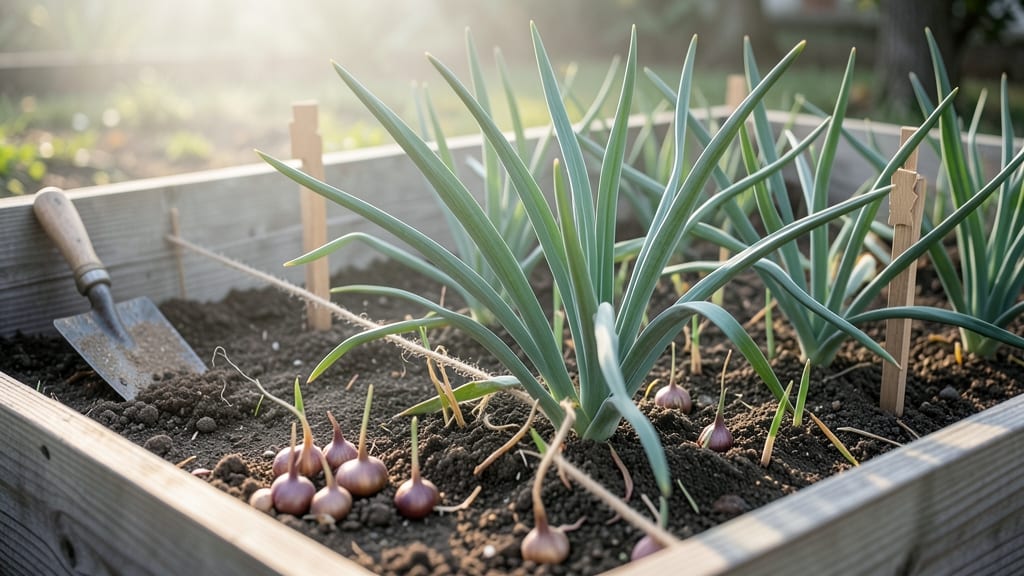
Timing is everything when it comes to growing 🧅 onions in Georgia’s Zone 8a—plant too early or too late, and you’ll end up with bitter, bolting greens instead of sweet, storable bulbs.
The key to success lies in understanding Georgia’s unique climate, where summer heat and humidity can turn your onions into floppy stalks if you’re not careful.
Most gardeners in Georgia focus on two critical planting windows: late February to early March for spring onions and August to September for fall varieties. But here’s the catch—these dates aren’t one-size-fits-all.
Whether you’re in North Georgia’s cooler microclimates or South Georgia’s balmier regions, small adjustments can mean the difference between a bountiful harvest and a disappointing one.
I’ve spent years perfecting my onion-growing routine in Georgia, and what I’m about to share will help you avoid the most common mistakes.
From choosing the right varieties to preparing your soil and knowing exactly when to pull those golden bulbs, this guide covers everything you need for zero bolt, zero stress onion growing.
Ready to grow onions that store like champions? Let’s dive into the exact planting schedule, soil prep secrets, and variety recommendations tailored for Georgia’s heat zone. Your pantry’s about to thank you!
Optimal planting windows for Georgia onions (Zone 8a) to prevent bolting
Georgia’s Heat Zone 8a presents unique challenges for onion growers, especially the risk of bolting when temperatures climb too early. To avoid this, timing is everything—planting too soon in spring or too late in fall can trigger premature flowering.
The key is aligning your planting with soil temperatures (ideal: 50-60°F) and day-length cues for your chosen varieties.
Short-day onions (like Texas Early White) thrive in Georgia’s climate because they respond to longer daylight hours in spring and shorter days in fall. Long-day varieties (e.g., Yellow Sweet Spanish) may bolt if planted too early in Zone 8a.
Here’s how to navigate both seasons for bulb success.
| Planting Window | Soil Temp | Daylength | Variety Fit | Action |
|---|---|---|---|---|
| Late February - Early March | 50-60°F | 10-12 hrs | Short-day | Transplant sets |
| Mid-March - April | 55-65°F | 12-14 hrs | Long-day | Direct sow seeds |
| August - Early September | 60-70°F | 12-13 hrs | Short-day | Sow seeds or sets |
| Late September | 55-65°F | 11-12 hrs | All types | Transplant for winter harvest |
For spring planting, start with onion sets (small bulbs) in late February to give them a head start before last frost (around March 15). Soil should be workable but not frozen—stick your finger in; if it’s 50°F, it’s ready.
Avoid planting seeds directly in spring, as they’ll bolt faster in Georgia’s heat.
Fall planting offers a second chance for longer storage bulbs. Aim for August to early September when soil temps drop below 75°F. This cool-down period mimics short-day conditions, preventing bolting.
If you miss this window, try late September for a smaller harvest, but expect smaller bulbs due to shorter growing time before frost.
Georgia’s humidity and heat can stress onions, so mulch with straw or grass clippings to retain moisture and moderate soil temps. Keep mulch 2 inches away from stems to prevent rot. Water deeply once weekly in spring/fall, but reduce to bi-weekly in summer to avoid encouraging bolting.
Monitor daylength closely—once days exceed 14 hours of light (typically late May), long-day onions will bolt within weeks. Short-day varieties like ‘Candy’ or ‘Texas Early White’ handle this better but still need precise timing. For spring harvests, aim to pull bulbs by mid-June before heat stress sets in.
If you’re growing for green onions, you can harvest scallions anytime by cutting 3-4 inches above soil—they’ll regrow! For storage bulbs, cure them in a shady, dry spot for 2-3 weeks before braiding or storing in a cool (40-50°F), dark place. Proper curing prevents rotting during storage.
Pro tip: Use shade cloth (30-50%) in peak summer (June-August) to protect transplants from heat stress. This buys you 2-3 extra weeks of growing time before bolting kicks in. Pair this with drip irrigation to keep foliage dry and reduce fungal risks like downy mildew.
Remember, Georgia’s microclimates vary—northern areas (e.g., Blue Ridge) may have 2-3 weeks earlier frost dates than southern regions (e.g., Savannah). Adjust your planting window by 10-14 days if you’re in a cooler pocket. Always check your local USDA Zone 8a frost dates for precision.
Step-by-step guide: how to plant onions in Georgia for maximum yield
Planting onions in Georgia’s humid climate requires careful planning to avoid bolting (premature flowering) and rot from excessive moisture. Whether you’re using sets, transplants, or seeds, timing and soil prep are critical for bulbs that store well through winter.
Let’s break it down into simple, actionable steps tailored to Georgia’s Heat Zone 8a.
First, test your soil’s pH level—onions thrive in slightly acidic to neutral soil (6.0–7.0). Georgia’s clay-heavy soils often need amendments like compost or sand to improve drainage. If your soil is too dense, onions will rot at the neck instead of forming bulbs.
Work in 2–3 inches of compost or well-rotted manure 2–3 weeks before planting to give microbes time to break it down.
- Step 1: Choose Your Planting Method
- Sets: Small bulbs ready to plant (easiest for beginners). Plant 4–6 weeks before last frost (late Feb–early March).
- Transplants: Young plants from nurseries. Plant 2–3 weeks before last frost (mid-February).
- Seeds: Start indoors 10–12 weeks before transplanting (January) or direct-sow in fall (August–September).
- Step 2: Prepare the Soil
- Loosen soil to 12 inches deep with a fork to prevent root binding.
- Mix in compost or aged manure for nutrients and drainage.
- Raise beds slightly (6 inches high) if your yard has poor drainage.
- Step 3: Plant at the Right Depth
- Sets/Transplants: Place 1 inch deep, with tips pointing upward. Space 4–6 inches apart in rows 12–18 inches apart.
- Seeds: Sow ½ inch deep, thin to 2–3 inches apart after sprouts emerge.
- Step 4: Mulch and Water Wisely
- Apply 2–3 inches of straw mulch to retain moisture and suppress weeds.
- Water deeply 2–3 times per week, aiming for 1 inch total per week. Avoid wetting foliage to prevent fungal diseases.
- Step 5: Fertilize Strategically
- Side-dress with balanced fertilizer (10-10-10) when tops reach 6 inches tall.
- Avoid high-nitrogen fertilizers late in the season—they promote leafy growth over bulbs.
- Step 6: Harvest at Peak Ripeness
- Pull onions when tops yellow and fall over (usually May–June for spring or October–November for fall).
- Cure in a dry, shaded area for 2–3 weeks before storing.
Georgia’s summer heat can trick onions into bolting if planted too early. For spring plantings, aim to harvest bulbs before June 15 when temperatures consistently exceed 85°F. If you miss this window, opt for green onions or shallots, which handle heat better.
For fall plantings, start in late August to mature bulbs before the first frost (mid-November).
One Georgia-specific pitfall is neck rot, caused by fungal spores thriving in humid air. To prevent it, avoid overhead watering and plant onions in raised beds if your yard stays soggy after rain.
If you notice blackened bases on bulbs, remove affected plants immediately and improve airflow around the patch. A copper fungicide spray can also help as a preventive measure.
Pro tip: Mark your onion rows with straw mulch to keep them visible in Georgia’s thick grass. This also helps suppress weeds and retains moisture during dry spells. If you’re short on space, try container growing—onions do well in 5-gallon pots with well-draining potting mix.
Just ensure pots get full sun (6+ hours daily).
With these steps, you’ll harvest plump, storable onions that last through winter. Store them in a cool, dark place (50–60°F) with good airflow, and they’ll keep for 4–6 months. Happy growing!