
Plants
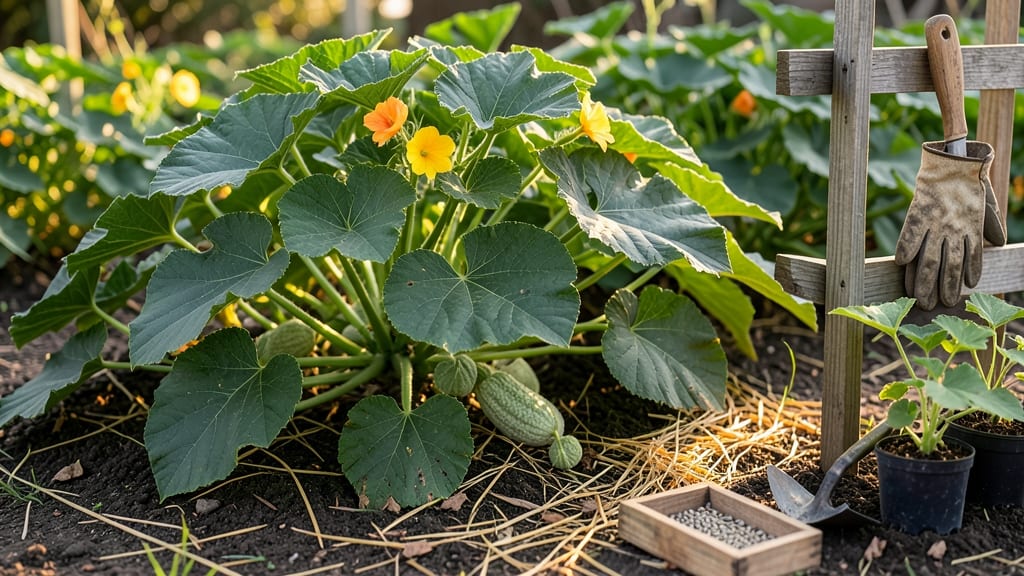
Planting squash in Texas isn’t just about throwing seeds in the dirt—it’s about outsmarting the heat and timing your harvest to avoid bitter, bolted veggies. The wrong window means struggling with stunted growth or fruit that never matures, leaving you with empty vines by summer’s end.
Texas gardeners know the 8a-10b zones demand precision: too early, and frost lingers; too late, and the scorching sun turns your squash into sad, seared husks. I’ve tested the best months—March-May for spring plantings and July-August for summer crops—to lock in sweet, productive 🎃 harvests all season.
But here’s the secret: soil temperature matters more than the calendar. Waiting until the ground hits 60°F (and all frost risk fades) ensures strong starts, while black plastic mulch can shave weeks off your wait in cooler North Texas regions.
Ready to skip the guesswork? I’ll walk you through the exact planting schedule for your zone, plus pro tips to beat bolting and maximize yield—no matter if you’re in Dallas or Deep South Houston.
Texas heat zones explained: best planting months by region
Texas spans USDA zones 8a through 10b, creating dramatic differences in frost dates and summer heat intensity. In North Texas (8a-8b), you’ll face earlier frosts and cooler springs, while South Texas (9a-10b) enjoys longer growing seasons with year-round planting potential for heat-tolerant varieties.
These variations mean your squash planting window could shift by 6 weeks or more depending on where you garden.
For summer squash like zucchini and yellow crookneck, the ideal planting window is March through May in most zones, but South Texas gardeners can start as early as February. Winter squash varieties like butternut or acorn prefer late summer planting (July-August) to mature before first frost, which arrives as early as November in South Texas but can linger until December in North Texas.
Here’s how to align your planting with Texas’s heat zone realities—including soil temperature, frost risks, and variety-specific adjustments—to maximize your harvest.
🌱
| USDA Zone | Last Frost Date | First Frost Date | Best Planting Window | Summer Squash Varieties | Winter Squash Varieties |
|---|---|---|---|---|---|
| 8a (North Texas) | February 15 | December 1 | April 15–May 15 | Early Prolific, Zucchini | Butternut, Acorn |
| 8b (Central Texas) | February 1 | November 15 | March 20–April 30 | Yellow Crookneck, Straightneck | Spaghetti, Delicata |
| 9a (South-Central Texas) | January 15 | November 1 | February 20–April 15 | Black Beauty, Cocozelle | Hubbard, Kabocha |
| 10a (Deep South Texas) | January 1 | October 31 | February 1–March 15 | Tiger, Eight Ball | Pumpkin, Sweet Dumpling |
In North Texas (8a-8b), soil temperatures below 60°F can delay germination, so wait until mid-April to plant summer squash. Use black plastic mulch to warm the soil 5-10°F faster and extend your planting window by 2 weeks.
For winter squash, aim to plant by July 15 to ensure harvest before first frost.
Gardeners in South Texas (9a-10a) enjoy earlier starts—you can plant summer squash as early as February if you use shade cloth to protect seedlings from intense afternoon sun.
For winter squash, August planting gives you a fall harvest before temperatures drop. Succession planting every 2 weeks ensures a continuous supply of fresh squash.
One critical adjustment for Texas gardeners is avoiding bolting—when squash flowers prematurely due to heat stress. In zones 9a-10a, plant heat-tolerant varieties like ‘Early Prolific Straightneck’ and use drip
How to avoid bolting: pro tips for Texas squash success
Texas summers pack a punch—90°F+ days can send squash vines into premature bolting, turning sweet fruits bitter before harvest. The key is timing soil warmth with shade strategies to keep plants cool enough to focus on growth, not flowers.
First, check your soil temperature before planting. Squash seeds need 60°F+ soil to germinate, but vines thrive best when daytime temps stay below 85°F during early growth. Use a soil thermometer to monitor—plant only when temps are stable in this range.
For North Texas (Zones 8a-8b), aim for late March to early April plantings. In South Texas (Zones 9a-10b), stretch your window to February-March or July-August for fall harvests. These windows give vines time to establish before extreme heat arrives.
Shade cloth is your secret weapon. Install 30–50% shade cloth over young plants when daytime highs hit 90°F+. Remove it by late morning (10 AM) to let vines photosynthesize fully. This mimics natural partial shade from taller plants and keeps leaf temps below 85°F.
Choose bolt-resistant varieties like 'Early Prolific Straightneck' or 'Cocozelle', which tolerate heat better than standard zucchini. For fall plantings, opt for winter squash like 'Butternut', which matures faster in cooler October temps.
Finally, mulch heavily with straw or black plastic to insulate roots. Black plastic warms soil faster in spring, while straw keeps roots cool in summer. Combine this with drip irrigation (not overhead watering) to maintain even moisture without stressing plants.