
Plants
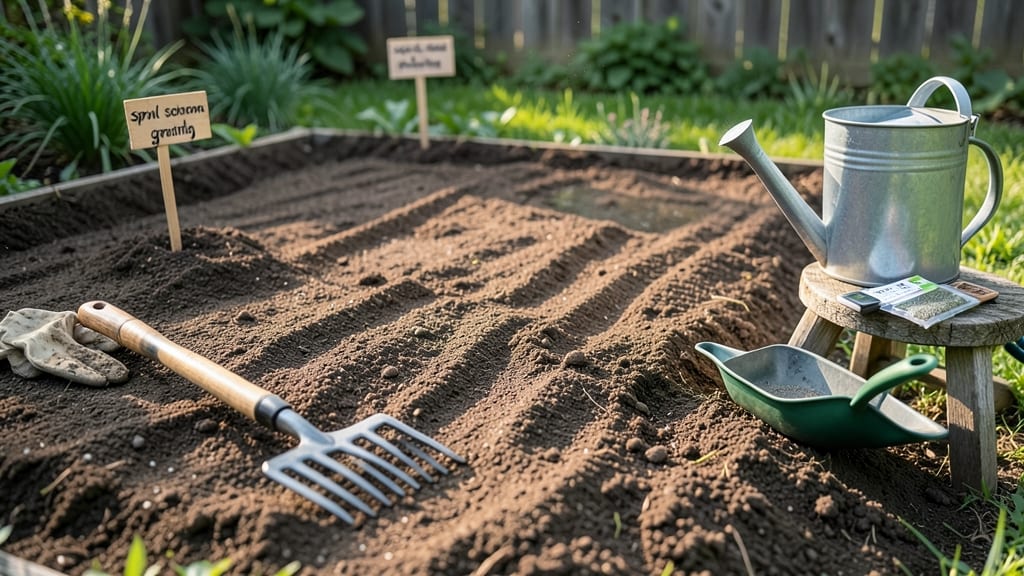
Planting your grass seed at the right time in spring can transform a patchy lawn into a thick, vibrant carpet—but get the timing wrong, and you’ll waste seeds or invite weeds to take over.
The key isn’t just waiting for warm weather; it’s understanding how soil temperature, frost dates, and your local microclimate work together to create the perfect window for germination.
In USDA Zone 6a, where I garden, early spring (like 4-6 weeks before your last frost) is ideal for cool-season grasses, but warm-season varieties need to wait until soil hits 60°F or higher.
That means checking your local frost dates and soil temps isn’t just helpful—it’s essential for fast, even growth without the frustration of slow starts or uneven coverage.
What you’ll discover here is how to adjust planting timing based on your region, whether you’re overseeding an existing lawn or starting fresh. I’ll break down the best months, soil prep tips, and even how to spot the 5 biggest mistakes that ruin germination before it begins.
Ready to turn your lawn dreams into reality? Let’s dive into the exact steps to plant your grass seed at the perfect moment—no guesswork, just thick, green results.
Optimal spring planting windows by US hardiness zones: when to plant grass seed for fast germination
Spring is the perfect time to plant grass seed, but getting the timing right depends on your USDA hardiness zone and whether you're growing cool-season or warm-season grasses.
In zones 3-6, cool-season grasses like Kentucky Bluegrass and Fescue thrive when planted 4-6 weeks before the last frost, typically March to early April.
Meanwhile, zones 7-10 favor warm-season grasses like Bermuda and Zoysia, which should wait until soil temperatures hit 65°F+, usually late April to June.
Your local microclimate—like coastal areas with milder winters or inland zones with rapid temperature swings—can shift planting windows by 2-4 weeks. For example, San Francisco (Zone 9) might plant Bermuda grass in March, while Phoenix (Zone 10) waits until May to avoid heat stress.
Always check your last frost date and soil temperature trends to fine-tune timing.
Soil temperature is the critical factor for germination. Cool-season grasses need soil between 50°F-65°F, while warm-season varieties require 65°F-75°F. Use a soil thermometer to confirm readiness—planting too early risks frost damage, and planting too late invites weed competition.
In Zone 5, for instance, late April is ideal for Tall Fescue, but Zone 8 should delay Centipede Grass until May.
🌱 Spring Grass Seed Planting by USDA Zone
| Zone | Grass Type | Ideal Planting Window | Soil Temp (°F) | Microclimate Adjustments |
|---|---|---|---|---|
| 3-4 | Tall Fescue, Kentucky Bluegrass | Late March–Early May | 50–60°F | Wait 2 weeks longer in high-altitude areas (e.g., Denver). |
| 5-6 | Fine Fescue, Ryegrass | Early April–Mid-May | 55–65°F | Plant 1 week earlier in coastal zones (e.g., Seattle). |
| 7-8 | Bermuda, Zoysia, Centipede | Late April–June | 65–75°F | Delay 1–2 weeks in urban heat islands (e.g., Atlanta). |
| 9-10 | St. Augustine, Bahia | May–July | 70–80°F | Plant in shade first if summers are extreme (e.g., Phoenix). |
*Adjust for overseeding (cool-season grasses in fall) or new lawns (earlier planting for thicker growth).
For cool-season grasses, early spring planting (before weeds sprout) gives seedlings a 3–4 week head start. In Zone 6, for example, late March planting of Perennial Ryegrass ensures germination before summer heat arrives.
Conversely, warm-season grasses planted too early may yellow or die if soil stays cool. In Zone 8, Zoysia Grass planted in April risks stunting, while June planting aligns with ideal 75°F+ soil temps.
Regional rainfall patterns also matter. In Pacific Northwest (Zone 7-8), consistent spring rains allow planting as early as February for Fescue, but Southern states (Zone 9-10) may need supplemental irrigation to kickstart germination in dry May.
Always monitor weekly rainfall—aim for 1 inch of moisture per week during germination.
If you’re overseeding an existing lawn, time it 4–6 weeks before your first mowing. In Zone 5, that’s mid-April for cool-season mixes, while Zone 9 overseeds Bermuda in late August for fall growth. Overseeding too late risks competing with weeds or summer dormancy in warm zones.
Pro tip: Use a seed germination calculator (available from University Extension offices) to input your zip code and get hyper-local recommendations. These tools account for <
How to adjust planting timing for local microclimates: heat, rain, and soil factors that change everything
Your local microclimate can shift the ideal grass seed planting window by weeks—sometimes even months. Urban heat islands bake soil faster than rural areas, while high-altitude zones stay cooler longer. These variations mean a one-size-fits-all approach won't work for your lawn's success.
For example, coastal regions with mild winters may see frost-free soil by early March, while inland areas at the same latitude might not reach 50°F soil temps until mid-April. Even within your neighborhood, a south-facing slope warms up 2-3 weeks earlier than a north-facing yard.
⚠️ Critical Timing Mistake: Planting When Soil Is Too Cold
Grass seed needs soil temps above 50°F (60°F+ for warm-season varieties) to germinate properly. Planting too early in chilly microclimates (like shaded valleys or high elevations) causes seed to rot in damp soil. Always check with a soil thermometer—don't guess!
🌱 Pro Tip: Bury your thermometer 2 inches deep for accurate readings.
High-altitude areas (above 5,000 feet) often have shorter growing seasons and cooler soils. Here, aim for late April to early May planting instead of March. The urban heat island effect does the opposite—concrete and pavement trap heat, so city lawns can handle March planting when rural areas aren't ready.
Wet climates with consistent spring rains (like the Pacific Northwest) require different timing than drier regions. In soggy soils, wait until surface moisture dries slightly before planting to prevent seed rot. Use a moisture meter to check—ideal soil should feel like a damp sponge, not a swamp.
Test your soil's readiness with this quick checklist before planting: ☑️ Soil temperature: 50°F+ (use a thermometer) ☑️ Moisture: Damp but not soggy ☑️ Frost risk: No hard frosts predicted for 2 weeks ☑️ Weeds: Pre-emergent herbicide applied if needed
Adjust your planting window by 1-2 weeks earlier for sunny, low-elevation spots and 1-2 weeks later for shaded or high-altitude areas. For warm-season grasses (like Bermuda), wait until soil hits 65°F+—often late May or June in cooler zones.