
Plants
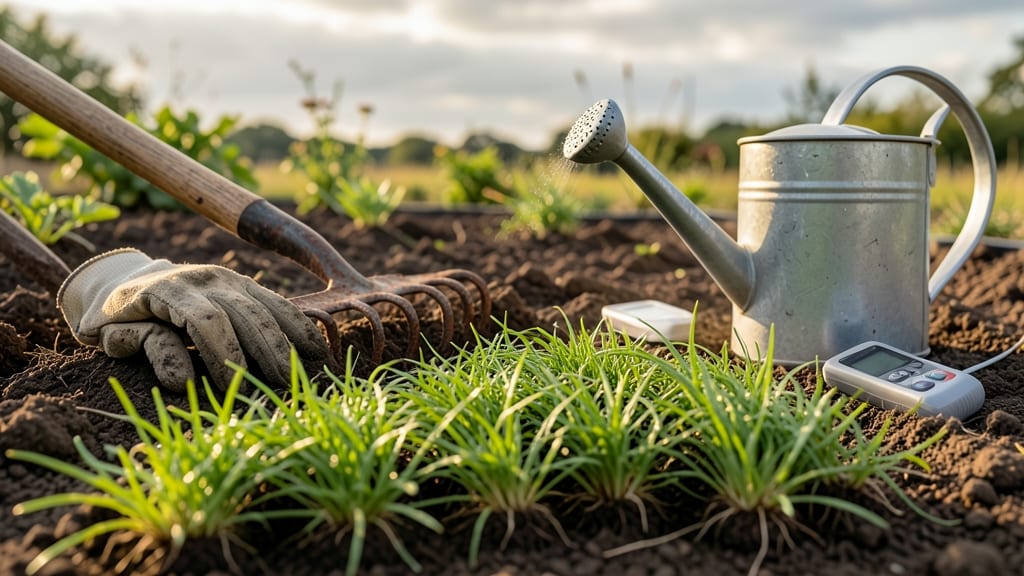
Planting Bermuda grass 🌱 in San Antonio isn’t just about picking a date—it’s about outsmarting the city’s brutal summer heat and unpredictable spring showers before they wreck your lawn.
The wrong timing can leave you with muddy patches or a lawn that never fills in, no matter how much you water.
Most gardeners in Zone 8b know the basics—spring or fall—but San Antonio’s microclimates throw a wrench in those plans. Too early, and your seeds rot in cold soil; too late, and the summer sun burns them out before they take root.
I’ve tested both windows here, and the difference between a lush lawn and a 5-minute fix-it job comes down to soil temperature and rainfall timing.
What you’ll discover is that the best window shifts depending on whether you’re planting seed or sod—and how your neighborhood’s heat island effect plays into it.
We’ll break down exactly when to dig in, how to prep your soil for San Antonio’s 90°F+ summers, and the one mistake that kills more Bermuda grass lawns here than anything else.
Ready to plant with confidence? Let’s get your lawn growing strong before the heat peaks—no more guessing games.
Optimal planting windows for San Antonio’s Bermuda grass success
San Antonio’s Heat Zone 9a-9b creates unique challenges for Bermuda grass—too early, and your seeds drown in spring rains; too late, and summer’s 100°F+ heat stalls growth.
The secret? Planting when soil temps hit 65°F+ consistently, not just following the calendar. This means two ideal windows: early spring (March-April) and late summer (August-September).
For seed planting, aim for mid-March to early May when daytime highs stabilize above 75°F and rainfall patterns shift from heavy to moderate.
This gives seeds 4-6 weeks to germinate before summer’s dormancy period begins. Sod installation, however, thrives in late summer (August-September) when soil remains warm but evaporation slows after monsoon season.
Here’s the critical difference: seeds need warm soil (65°F+) but not scorching sun—planting in May risks seed burn. Sod, meanwhile, handles late summer heat better because its roots are already established.
Think of it like timing a marathon sprint: seeds are your short-distance runners, while sod is the endurance athlete.
🌱
Let’s break down the exact week ranges for San Antonio’s microclimates. In downtown areas (like the River Walk), soil warms 1-2 weeks earlier than in Hill Country elevations (e.g., Stone Oak). Use these local benchmarks:
For seeds, plant March 15–April 15 in downtown zones where soil hits 65°F by mid-March.
In higher elevations, wait until April 1–May 1 when consistent 75°F+ days arrive. Sod, meanwhile, goes in August 15–September 15 across all zones—this aligns with post-monsoon soil moisture while avoiding October’s early cold snaps.
Why these dates? Bermuda grass goes dormant when temps hit 95°F+ for weeks—planting in May risks seed burn before roots establish. Late summer sod, however, benefits from cooler nights (mid-70s°F) that reduce water stress.
Think of it as hitting the sweet spot between heat tolerance and moisture availability.
💧
One critical local factor often overlooked: San Antonio’s heat islands. Areas like near I-35 or downtown can be 5–10°F hotter than suburban neighborhoods. If your yard is in a paved-heavy zone, plant sod 2 weeks earlier (early August) to compensate for faster soil warming.
For seeds, this means shifting to late March instead of mid-April.
Pro tip: Use a $10
How to adjust planting timing for San Antonio’s microclimates
San Antonio’s microclimates create dramatic shifts in planting success—what works in downtown’s heat islands fails in Hill Country’s cooler elevations. Your yard’s elevation, soil drainage, and urban heat buildup can shift ideal planting windows by 3-4 weeks.
For example, sod installation in downtown might thrive in late April, while Hill Country yards may need to wait until mid-May for consistent soil warmth.
Soil drainage is another game-changer. Clay-heavy soils in areas like Stone Oak hold moisture longer, delaying planting until soil temps hit 70°F+, while sandy soils near Pearl District may dry out faster, requiring earlier watering adjustments. Even neighborhood heat islands—like parking lot-adjacent yards—can push soil temps 5-10°F higher than surrounding areas, demanding earlier planting to avoid seed dormancy.
⚠️ callout warning
Planting Bermuda grass seeds in San Antonio’s clay soils before 65°F soil temps guarantees rot and mold—not growth. Use a DIY soil thermometer (or a reliable outdoor thermometer buried 4" deep) to confirm readiness. Downtown areas often hit this threshold 2-3 weeks earlier than Hill Country yards at the same calendar date.
To test your soil readiness, bury a DIY thermometer (a simple outdoor thermometer or even a meat thermometer) 4 inches deep in a shady spot (to avoid sun distortion).
Check temps daily at noon for 3 days—your ideal planting window opens when temps consistently stay above 65°F for 5+ days. In 2023, this ranged from mid-April in downtown to early June in higher elevations like Helotes.
Elevation differences also dictate fall planting windows. While downtown yards can safely plant sod in late August, Hill Country properties may need to delay until mid-September to avoid early frost risks. Use local frost data (San Antonio’s average first frost is December 15, but microclimates can shift this by 2 weeks). Pro tip: Monitor your neighborhood’s traffic patterns—yards near major roads often experience warmer microclimates, allowing earlier spring planting by 10-14 days.
Neighborhood heat islands (like downtown’s River Walk area) can push soil temps 10°F+ higher than suburban zones, creating false planting signals. If your yard is paved on 3+ sides, consider planting seeds 2 weeks earlier than the general guideline—or opt for sod, which establishes faster in warmer soils. For Hill Country properties, prioritize shady microclimates (like north-facing slopes) for fall plantings to extend the growing season by 3-4 weeks.
Adjust your watering schedule based on microclimate too. Heat islands dry out 2x faster, requiring daily watering for new seedings, while Hill Country yards may only need every-other-day watering once established. Mulch heavily (2-3 inches of straw or wood chips) in clay-heavy soils to retain moisture and moderate temperature swings.
By reading your microclimate, you’ll turn San Antonio’s unpredictable conditions into a Bermuda grass advantage.