
Plants
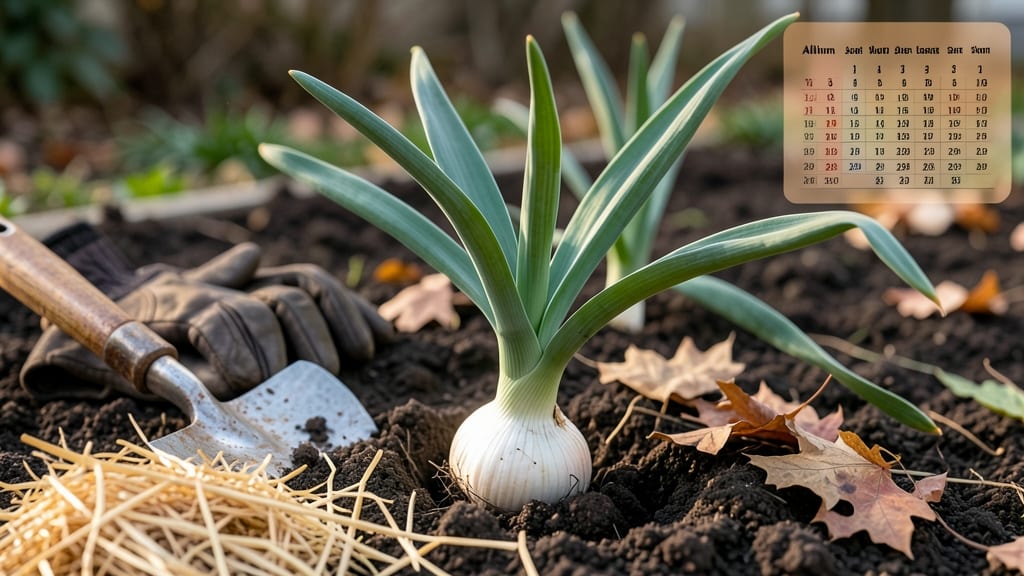
Planting garlic at the wrong time in Pennsylvania could mean the difference between a bountiful harvest of plump 🧄 bulbs and a disappointing patch of weak, stunted growth.
With the state's diverse climate zones—from 5b to 7a—timing is everything, especially when hardneck varieties thrive in fall while softnecks offer a spring alternative.
If you've ever wondered why some gardeners swear by October planting while others wait until March, the answer lies in Pennsylvania's frost patterns and soil temperatures. The key is understanding how your local microclimate affects garlic's 6-12 month growth cycle, from root establishment to bulb maturation.
I'll walk you through the optimal windows for both hardneck and softneck varieties, including how to adjust for Pittsburgh's cooler springs or Philadelphia's earlier freezes.
You'll also discover how to prepare your soil and avoid common mistakes that ruin harvests—because even the best garlic won't grow if planted at the wrong time.
Let's get your garlic off to the right start so you can enjoy fresh cloves from late June through July, just like Pennsylvania's most successful home gardeners do every year.
Optimal planting dates for garlic in Pennsylvania by variety (hardneck vs softneck)
Pennsylvania's diverse climate zones (USDA 5b-7a) create unique challenges for garlic growers. The wrong planting window can lead to poor bulb formation or even complete crop failure.
Hardneck varieties—like Music or German White—must be planted in fall, while softneck varieties such as Silverskin or Artichoke have more flexibility with fall or early spring options.
Timing depends on your specific location in PA. For example, Philadelphia (Zone 7a) has a longer growing season than Erie (Zone 5b), allowing for slightly later fall plantings. Understanding these differences ensures your garlic gets the 6-8 weeks of cold stratification it needs to form strong bulbs.
Here's a detailed breakdown of the best planting windows for each variety, including regional adjustments for Pennsylvania's major cities:
For hardneck garlic, the 6-8 week cold period is critical for bulb formation. In Pittsburgh (Zone 6a), aim to plant between October 20 and November 10 to ensure the ground freezes by late November.
In Erie (Zone 5b), where winters arrive earlier, plant by November 5 at the latest to avoid frost damage before roots establish.
Softneck varieties offer more flexibility, but fall planting still yields the best results. If you miss the fall window, you can plant in early March for a summer harvest. However, spring-planted garlic often produces smaller bulbs compared to fall-planted varieties.
In Philadelphia (Zone 7a), March plantings can extend into the first half of the month, while cooler Erie (Zone 5b) should stick to early March.
Soil temperature is a critical factor that often gets overlooked. Use a soil thermometer to confirm temperatures between 40-50°F before planting. In Pennsylvania, this typically aligns with mid-October to mid-November, but late frosts in spring can also create opportunities for softneck varieties in Zone 7a areas.
Regional microclimates play a huge role. For example, Poconos (Zone 5b) may need garlic planted by October 15, while Lancaster (Zone 7a) can wait until November 15.
Always check your last frost dates and adjust accordingly. Planting too early can lead to premature sprouting, while planting too late risks frost damage before roots establish.
One common mistake in Pennsylvania is planting garlic too deep or using cloves from the store. Store-bought garlic often comes from California (Zone 9-10) and may not perform well in PA's climate.
Instead, source certified organic seed garlic from local nurseries or specialty seed companies like Johnny's Selected Seeds or Richters.
To maximize your harvest, consider succession planting softneck varieties in both fall and spring. This strategy extends your garlic supply and allows you to experiment with different varieties. Just remember, hardneck garlic must be planted in fall—there's no viable spring option for this variety.
With the right timing and variety selection, you can enjoy a bountiful garlic harvest from Pennsylvania's gardens. Whether you're growing hardneck for roasting or softneck for braiding, mastering these planting dates will set you up for success. Happy gardening! 🌱
Optimal planting dates for garlic in Pennsylvania by variety (hardneck vs softneck)
Pennsylvania gardeners know timing is everything when it comes to garlic planting. The state's USDA zones 5b-7a create distinct windows for hardneck and softneck varieties. Hardnecks—like Music or German Red—need a fall chill period to form bulbs, while softnecks like Silverskin offer flexibility with spring or fall planting.
For hardneck garlic, the sweet spot is mid-October to early November in most of PA. This gives roots time to establish before winter, while still allowing the plant to enter dormancy.
In Zone 5b (western PA), aim for October 1-15, while Zone 7a (southeastern PA) can wait until October 15-30.
| Variety | Best Planting Window | Key Notes |
|---|---|---|
| Hardneck (e.g., Rocambole, Porcelain) | October 1-30 (Zone 5b-6a) | Needs 60+ days below 40°F for bulb formation |
| Softneck (e.g., Silverskin, Artichoke) | October 15-November 15 OR March 1-15 | More flexible; stores longer but needs warmer winters |
| Elephant Garlic (Softneck) | March 15-April 15 | Larger cloves; best for spring-only planting |
If you're in Pittsburgh (Zone 6a), shoot for October 10-25—this balances frost risk with root establishment. Meanwhile, Philadelphia (Zone 7a) gardeners can push planting to November 1-15, as milder winters allow later starts.
Always check your last frost date (mid-April in most of PA) to avoid planting too early.
For softneck varieties, fall planting follows the same timeline as hardnecks, but you can also plant in early spring (March) if you miss the fall window. This works best in Zone 7a, where winters are milder.
Just be prepared for smaller bulbs if planted after April 1, as the growing season shortens.
Pro tip: Use a soil thermometer to confirm temperatures are below 50°F at planting time. This ensures roots establish before winter dormancy begins. In Erie (Zone 6b), where lakeside breezes cool soil faster, plant 2 weeks earlier than inland areas to compensate.
Remember, garlic needs 6-12 months to mature, so your harvest window (late June-July) depends entirely on when you plant. Fall-planted garlic will be ready first, while spring-planted softnecks may not mature until August in cooler zones.