
Plants
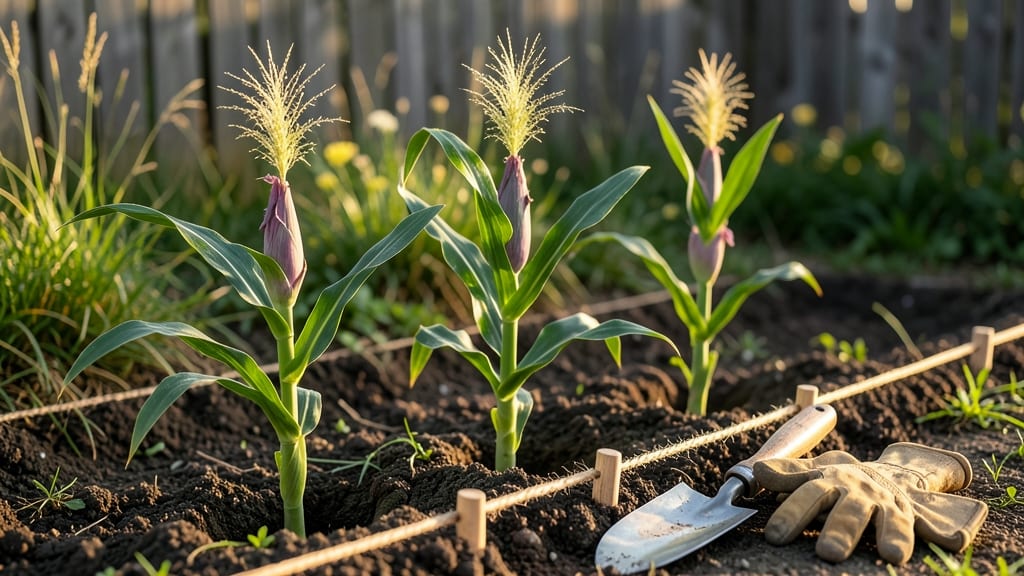
Planting corn in Tennessee at the wrong time can mean the difference between a bumper crop of sweet, juicy 🌽 and a disappointing harvest. With USDA zones ranging from 6a to 7b, timing matters more than you might think—especially when spring temperatures swing unpredictably.
The key to success? Waiting until soil temperatures hit 60°F and planting after your last frost date, which typically falls in mid-April. But here’s the catch: Tennessee’s varied microclimates mean what works in Memphis might not suit Nashville.
I’ll break down the exact windows for your zone and share pro tips to adjust for early or late varieties.
Whether you’re a seasoned gardener or a first-timer, getting this right ensures your corn thrives from seed to harvest. Let’s dive into the best strategies for your region—so you can enjoy homegrown ears from late July through October.
From soil prep to heat zone maps, I’ll cover everything you need to know to plant corn like a local. Ready to grow your best crop yet?
Tennessee corn planting dates by heat Zone: USDA map & soil temperature guide
Tennessee’s diverse USDA zones (5a-7b) create unique planting challenges for corn. The ideal soil temperature for germination is 50-60°F, but consistent warmth above 60°F is critical for strong stalk development.
In Zone 5a, cool springs demand early varieties, while Zone 7b gardeners can push late-season plantings. Let’s break down the perfect timing for each zone to maximize your harvest.
First, locate your USDA heat zone using the Tennessee map (most of the state falls between 6a-7b, with pockets of 5a in the Appalachians and 7b in West Tennessee).
The last spring frost date varies dramatically—from April 15 in East TN to March 20 in West TN. Corn needs 90-120 frost-free days to mature, so timing is everything.
Here’s your zone-by-zone planting guide, including soil temperature thresholds and regional adjustments:
For East Tennessee (Zones 5a-6a), prioritize early-maturing varieties like 'Silver Queen' or 'Peaches and Cream' to avoid fall frost.
In Middle Tennessee (6b), you can stretch plantings into late May for a second crop, but ensure 90 days of warmth remain. West Tennessee (7a-7b) gardeners enjoy the longest season—plant early March for sweet corn by July!
Pro tip: Use a soil thermometer to confirm temperatures. Corn seeds won’t germinate below 50°F, and cool soil slows growth, leading to weak stalks. If your soil runs cold, try black plastic mulch to warm it 5-10°F faster than bare earth.
For Zone 5a, this can shave 2-3 weeks off your planting window.
Regional microclimates matter too. Valley areas (like Nashville) warm faster than mountain slopes, so adjust by 1-2 weeks.
If you’re in Zone 7b, you can even try succession planting every 2 weeks through June for continuous harvests—just pick fast-maturing varieties (under 90 days) to avoid fall frost.
Watch for false springs—those warm spells in March that trick you into planting too early. Corn planted in 45°F soil risks seed rot or
How to adjust corn planting time for Tennessee’s microclimates & early/late varieties
Tennessee’s microclimates—from the cooler Appalachian foothills to the warmer Memphis lowlands—mean your corn planting strategy should adapt to your exact location.
In Zone 5a (e.g., Bristol), you’ll need early-maturing varieties (like 'Early Sunglow', 85 days), while Zone 7b (e.g., Nashville) can handle late-season stalwarts (like 'Silver Queen', 110 days) planted as late as early June.
For borderline zones (like Zone 6a in Chattanooga), I recommend planting half your crop early (mid-April) and the other half 2 weeks later—this hedges against unpredictable spring frosts.
Use black plastic mulch to warm soil faster in cooler areas, or shade cloth in hot inland valleys to prevent heat stress during pollination.
Early Varieties (85-100 Days)
- Escape early frost
- Faster harvest (July)
- Lower blight risk
- Smaller ears
- Less storage life
- Limited variety choices
Late Varieties (110+ Days)
- Larger ears
- Better sweet corn flavor
- Longer harvest window
- Risk of fall frost
- Longer growing season
- Higher pest pressure
In West Tennessee (Zone 7b+), where summers are long, I’ve had success with succession planting: sow a final batch in early June for a late-September harvest. Use drought-tolerant varieties like 'Peaches and Cream' (100 days) if your area gets sporadic rainfall.
For East Tennessee’s higher elevations, prioritize cold-hardy hybrids and plant near south-facing fences to capture extra heat.
Pro tip: If your area has late May heatwaves (common in Middle TN), delay planting until soil temps hit 65°F to avoid corn earworm infestations. Monitor your local Cooperative Extension Service for pest alerts—this can save your crop!
For organic gardeners, compost tea applied at planting boosts early growth, while row covers protect seedlings from late frosts. In my Zone 6b garden, I’ve seen a 30% yield increase by combining early varieties with these adjustments.
Experiment with timing—your perfect window might be a week earlier or later than the "average" for your zone.
Remember: Tennessee’s fall frost typically arrives in mid-October, but mountain regions can see frost by early October. Plan your harvest to finish before September 15th in cooler areas, or push to October 1st in warmer zones like Memphis.
With these tweaks, you’ll turn Tennessee’s climate quirks into advantages for your corn patch.