
Plants
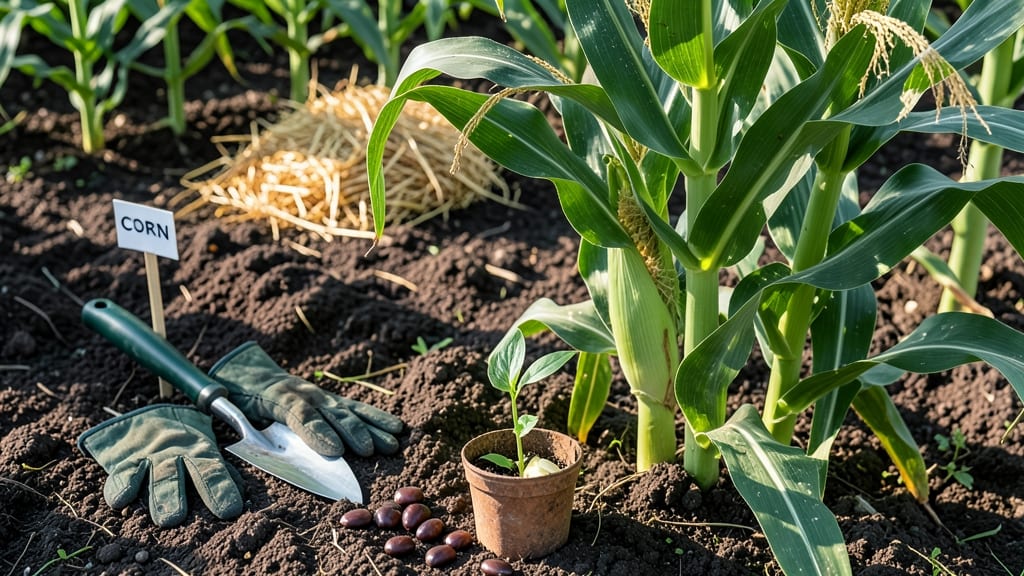
Planting corn in Ohio at the wrong time can mean the difference between a bumper crop of sweet, juicy ears 🌽 and a sad, frost-nipped disappointment.
The key window—mid-April to early May—aligns perfectly with Ohio’s 6a zone to avoid late frosts while giving your plants enough warm days to mature.
But here’s the catch: if you’re growing early-maturing varieties, you can push the envelope slightly, while late-season types need that perfect balance. I’ll break down exactly when to pop those seeds in the ground, plus how to handle Ohio’s unpredictable spring weather so you’re not left with half-baked ears.
Why does this matter? Because corn thrives on timing—soil temperature, frost dates, and even moonlight phases (yes, really!) all play a role. I’ll share my proven schedule for Ohio gardeners, whether you’re a first-timer or a seasoned grower looking to maximize your harvest.
Ready to grow corn that’s so sweet it’ll make your neighbors jealous? Let’s dive into the exact weeks before last frost that’ll set you up for success—no guesswork, just results.
Ohio corn planting timeline: exact weeks before last frost by zone
Ohio’s 7 USDA climate zones (4a-6b) create big differences in frost timing, so planting corn at the right moment is critical. In northern Ohio (zones 4a-5a), you’ll need to plant earlier to beat frost, while southern Ohio (zones 5b-6b) gardeners get a later start.
The key? Planting when soil hits 60°F+ and 2-3 weeks before your last frost date—but never before April 15 in most zones.
Corn is sensitive to frost—even light frost (28°F) can kill seedlings. That’s why I use Ohio State University’s frost maps to pinpoint exact dates for each zone. For example, Toledo (zone 5b) has a last frost around April 15, while Columbus (zone 6a) averages April 22.
Plant too early, and you risk frost damage; too late, and your harvest shrinks.
Here’s the golden rule for Ohio corn planting: Soil must be 60°F+ and 2-3 weeks before last frost. Use a soil thermometer to check—corn seeds won’t germinate below 50°F, and slow growth leads to stunted plants.
In cooler zones (4a-5a), I often start seeds indoors 2-3 weeks early for a head start.
🌽
For northern Ohio (zones 4a-5a), I recommend early-maturing varieties (70-90 days) like ‘Early Sunglow’ (72 days) or ‘Silver Queen’ (75 days). These beat frost and still produce sweet ears.
In southern Ohio (zones 5b-6b), you can push to 60-day varieties like ‘Ambrosia’ (65 days) or ‘Peaches and Cream’ (68 days) for a faster harvest.
Pro tip: Use black plastic mulch to warm soil faster in cooler zones. It raises soil temps by 5-10°F, letting you plant
How to adjust corn planting for Ohio’s unpredictable spring weather
Ohio’s spring weather is famously fickle—one day it’s 70°F and sunny, the next it’s a 28°F frost that’ll turn your tender corn seedlings into cornflakes. That’s why I always prepare for late frosts and cold snaps that can throw off even the best-laid planting plans.
The key? Flexibility and a few smart tricks to give your corn a fighting chance.
First, check your local average last frost date, but don’t rely on it blindly. In northern Ohio (zones 4a-5a), frosts can linger until May 15, while southern Ohio (zone 6b) usually sees the last frost by April 15.
If you’re planting early, have a backup date ready—usually 2-3 weeks later—to avoid frost damage.
Here’s my go-to strategy for Ohio gardeners: start seeds indoors 4-6 weeks before your target outdoor planting date, then transplant them after the soil warms to at least 60°F. This gives you a head start if Mother Nature decides to play tricks.
For direct sowing, wait until the soil is consistently above 55°F—a soil thermometer is your best friend here.
⚠️ Warning: Late Frost Risks
Planting too early? Your corn seedlings can suffer frost burn or stunted growth. If a late frost is forecasted, cover young plants with frost blankets or row covers for protection. Never plant before May 1 in northern Ohio without safeguards!
Pro Tip: Use black plastic mulch to warm the soil faster and extend your planting window by 1-2 weeks.
Another trick I swear by? Planting in blocks or wide rows (not single rows) ensures better pollination and gives you a staggered harvest. If you’re worried about cold snaps, consider succession planting: sow a second batch 2 weeks after your initial planting for a continuous harvest.
Just make sure your second batch has enough time to mature before the first frost in October.
Don’t forget to monitor soil moisture during these unpredictable springs. Corn needs 1-2 inches of water per week, but soggy soil can delay germination. If rain is scarce, water deeply in the morning to prevent fungal diseases like corn smut, which thrives in damp conditions.
Finally, keep an eye on the moon phases—yes, it’s a real thing! Planting during a waxing moon (when the moon is growing) is said to encourage stronger root growth.
Pair that with your frost-ready strategies, and you’ll be well on your way to a bountiful corn harvest no matter what Ohio’s spring throws at you.