
Plants
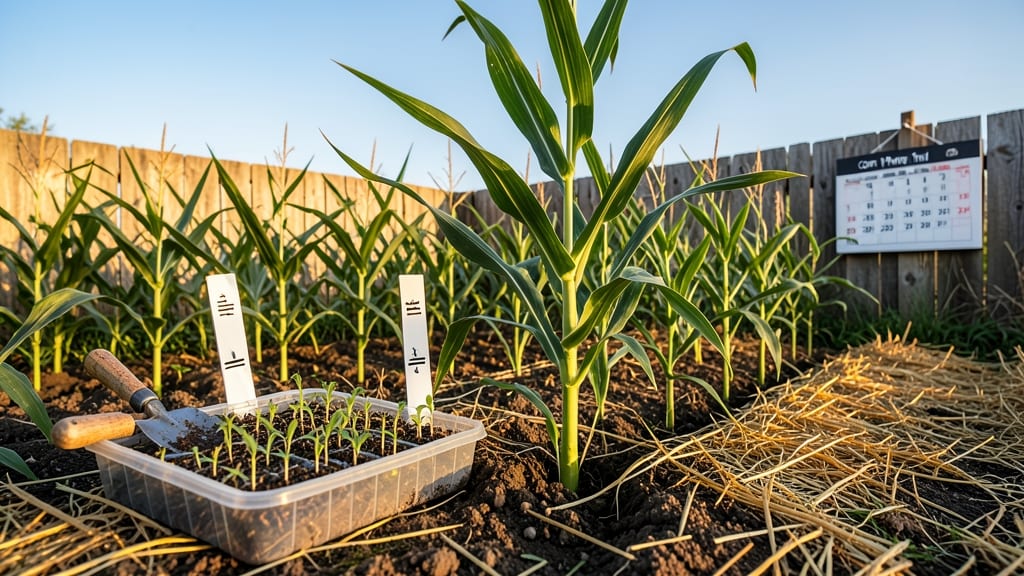
Planting your 🌽 corn at the wrong time in Kansas can turn a promising crop into a frustrating gamble—especially when soil temperatures don’t match your calendar.
The key to strong, fast germination isn’t just waiting for the last frost (usually around April 15 in Zone 6a), but tracking when the earth warms to 50°F or higher at a 2-inch depth.
Most gardeners focus on air temperature or frost dates, but corn seeds need consistent warmth to sprout reliably. In Kansas, this often means waiting until mid-April to early May, depending on your region. Skipping this step can leave you with slow starts or worse—seed rot in cold, damp soil.
Don’t worry if your spring feels unpredictable. I’ll show you how to test soil temperature accurately, choose the right corn varieties for your planting window, and even adjust for late frosts. With these fast strategies, you’ll maximize your yield without the guesswork.
Ready to plant with confidence? Let’s break down the exact steps to time your corn perfectly for Kansas’ climate—so you can enjoy a bumper harvest from late July to October.
Kansas corn planting dates by soil temperature (not air temperature)
Most gardeners focus on air temperature when planting corn, but soil temperature is the real game-changer for Kansas growers. Corn seeds need soil at 50°F or warmer at a 2-inch depth to germinate reliably.
Planting too early in cold soil leads to rot, while waiting too long risks shorter growing seasons. Eastern Kansas typically warms up faster than western regions, so your planting window can vary by 2–3 weeks depending on location.
Kansas State University recommends planting corn between mid-April and early May for most areas, but this shifts earlier in western Kansas (where frost lingers longer) and later in the humid east. The key is monitoring soil warmth, not just calendar dates.
For example, a late frost in April might delay planting in Zone 6a until early May, while a warm spell in March could allow early planting in southern Kansas.
Here’s the critical rule: Wait until soil hits 50°F consistently for at least 3 days before planting. Warmer soil (60°F+) speeds up germination from 7–10 days to just 4–7 days.
In Kansas’ variable climate, this means checking soil temps daily in spring—especially if you’re using early-maturing varieties that need a longer growing season.
| Corn Maturity Group | Soil Temp Trigger (°F) | Recommended Planting Window (Kansas) | Frost Risk Zone | Days to Germination |
|---|---|---|---|---|
| Early Maturity (85–95 days) | 50–55°F | Late April–early May | Western KS (higher risk) | 7–10 days |
| Mid Maturity (100–110 days) | 55–60°F | Mid-April–mid-May | Central KS (moderate risk) | 5–7 days |
| Late Maturity (110–120 days) | 60°F+ | Early May–early June | Eastern KS (low risk) | 4–6 days |
For western Kansas, where frost can linger until May 10, prioritize early-maturing varieties like ‘Pioneer Brand 34B13’ that germinate at 50°F. In eastern Kansas, you can push planting to early May for late-maturing varieties like ‘AgriGold 2429’, which thrive in warmer soil and longer growing seasons.
Always check Kansas Mesonet for localized frost forecasts—even a 28°F night can kill young seedlings.
Pro tip: If your soil is slow to warm, use black plastic mulch 1–2 weeks before planting to raise soil temps by 5–10°F. This trick is especially useful in northern Kansas, where cool springs delay planting. Just remove the mulch once plants emerge to avoid overheating.
Remember, corn’s growing degree days (GDD) are just as important as planting dates. Kansas’ 165-day frost-free season limits late-maturing varieties to eastern regions, while western growers must stick to 85–100-day varieties to avoid frost damage.
Use this rule of thumb: Subtract your first frost date from 165 days to estimate your latest safe planting window.
For example, if your average first frost is October 15, you have about 180 days to harvest—plenty of time for 110-day varieties in eastern Kansas. But in western Kansas, where frost can come by October 1, you’re limited to 90–100-day varieties planted by mid-May.
🌽
How to test soil temperature and adjust for Kansas’ unpredictable spring
Kansas’ spring weather can swing from freezing nights to scorching afternoons in just days, making it critical to test your soil temperature—not just air temperature—before planting corn.
Corn seeds need consistent warmth at a 2-inch depth to germinate properly, and waiting for the right moment saves you from slow starts or frost-damaged seedlings.
I’ve learned the hard way that planting too early in cold soil leads to rot, while waiting too long risks running out of the growing season.
Start monitoring soil temperatures at least 2 weeks before your target planting date. Air thermometers won’t cut it—you need a soil thermometer (available for under $15) to get accurate readings.
Insert the probe 2 inches deep in your garden bed, away from direct sunlight or shaded areas, and check readings early in the morning for the most reliable data. This mimics the conditions seeds experience underground.
- Purchase a soil thermometer (not air thermometer) and test at 2-inch depth daily.
- Plant only when soil hits 50°F+ consistently for 3+ days (warmer = faster germination).
- Check Kansas Mesonet or K-State Extension for localized frost forecasts.
- Use black plastic mulch 1–2 weeks pre-planting to warm soil by 5–10°F.
- If frost threatens, cover seedlings with row fabric or plant fast-germinating varieties (e.g., ‘Pioneer Brand 34B13’).
For gardeners in western Kansas, where springs are cooler and frost lingers longer, aim for soil temperatures of 55°F+ before planting. In eastern Kansas, where summers are hotter, you can start as early as mid-April if the soil is warm enough.
Pro tip: If your soil is still cold but you’re eager to plant, lay down black plastic mulch 1–2 weeks before your target date—this can raise soil temperatures by 5–10°F, giving your corn seeds a head start.
If a late frost is forecasted after you’ve planted, act fast! Cover young seedlings with row fabric or lightweight blankets to protect them. For extra insurance, choose fast-germinating varieties like ‘Pioneer 34B13’ or ‘DeKalb 59-55’, which can sprout in as few as 5 days when soil conditions are ideal.
These varieties are also more tolerant of light frost, giving them an edge in Kansas’ unpredictable climate.
Don’t rely solely on the calendar—soil temperature is the true indicator of when to plant corn in Kansas.
By combining your own readings with data from Kansas Mesonet or your local K-State Extension office, you’ll avoid the most common pitfalls and set your corn up for success from day one.
Remember, even a 5°F difference in soil temperature can mean the difference between a thriving crop and a failed planting.
For those in urban gardens or containers, pre-warm your soil mix by soaking it in a 50°F+ water bath for an hour before planting. This mimics the warmth of in-ground soil and can help kickstart germination in cooler microclimates. Just be sure to drain excess water to avoid root rot.