
Plants
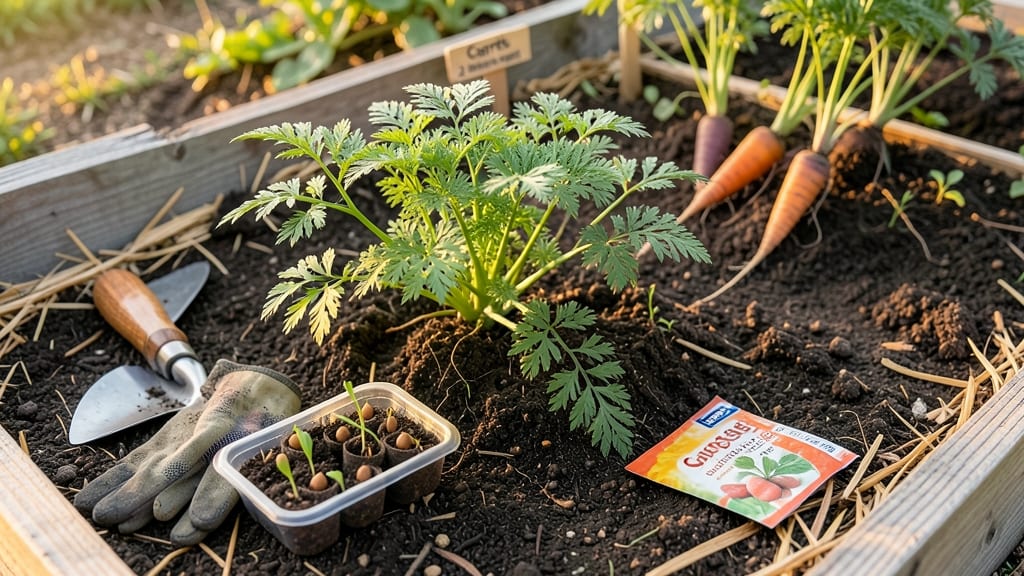
Planting carrots in Seattle isn’t just about waiting for spring—it’s about beating the clock before the rain turns your soil into mud or the heat sends them bolting. The perfect windows are narrow here, but timing right means crisp, sweet roots instead of tough, forked disappointments.
Seattle’s 8a climate gives you two clear chances: early spring (March–April) and late summer (August–September). But here’s the catch—coastal areas like West Seattle can plant 2 weeks earlier than inland spots, where frost lingers longer. Miss the mark, and you’ll end up with leggy greens and tiny roots.
Whether you’re a first-timer or a seasoned gardener, I’ll break down exactly when to direct-sow (no starting indoors needed!) and how to stretch your harvest through fall. Spoiler: row covers are your best friend when the first frost sneaks up in November.
Let’s get those 🥕 in the ground at the right moment—because in Seattle, patience isn’t just a virtue, it’s a survival skill.
Seattle’s 3 best carrot planting windows by microclimate
Seattle’s cool, wet springs and mild coastal influences create three distinct planting zones where timing makes all the difference for crisp, sweet carrots.
Whether you're in a rain-shadowed inland pocket, a Puget Sound frost zone, or a windy urban garden, these windows align with soil temperature thresholds and frost risk patterns that maximize your harvest.
Carrots thrive when soil reaches 50°F (10°C), but Seattle’s microclimates shift frost dates by weeks. Inland areas like Kenmore can plant 2-3 weeks earlier than coastal Bainbridge Island, where cold air pools near water.
Understanding these differences helps avoid bolting from heat stress or rot from soggy soil—two common Seattle pitfalls.
Below is a side-by-side comparison of the optimal planting windows for Seattle’s three key microclimates, including soil temp targets, frost risk, and harvest timelines. Use this as your roadmap to consistent, high-quality roots—no more guessing!
| Microclimate | Planting Window | Soil Temp Threshold | Frost Risk | Harvest Window | Key Varieties |
|---|---|---|---|---|---|
| Urban (Seattle proper) | Late March–April (spring) & August (fall) | 50–55°F (10–13°C) | Moderate (last frost: mid-April) | June–July & Oct–Nov | 'Nantes', 'Paris Market' |
| Coastal (Bainbridge, Vashon) | Early April–May (spring) & late August (fall) | 55–60°F (13–16°C) | High (last frost: late April) | July–Aug & Oct–Nov | 'Rainbow', 'Chantenay' |
| Inland (Kenmore, Carnation) | March (early) & July–early Aug (fall) | 45–50°F (7–10°C) | Low (last frost: early April) | May–June & Sept–Oct | 'Danvers', 'Scarlet Nantes' |
For urban Seattle gardens, aim to plant carrot seeds in late March as soon as soil warms to 50°F.
This window avoids the late-spring rains that can lead to diseased seedlings while giving roots time to mature before summer heat arrives. Succession plant every 2 weeks until mid-April for a continuous harvest.
Coastal areas near Puget Sound face delayed planting due to cold air pooling near water. Wait until early April when soil hits 55°F—this reduces frost damage risk and aligns with drier conditions. Cold-hardy varieties like 'Rainbow' tolerate cooler soils better, making them ideal for these zones.
Inland microclimates like Kenmore enjoy earlier soil warming thanks to the rain shadow effect. Plant as early as March when soil reaches 45°F, but cover seeds with row fabric if nights dip below 35°F.
This strategy lets you harvest by late May, beating summer pests like carrot rust flies.
Pro tip: Use a soil thermometer to confirm readiness—carrot seeds won’t germinate below 50°F. If your soil is too cold, start seeds indoors 4–6 weeks before your target planting date and transplant seedlings when soil warms. This works especially well for coastal gardeners with delayed springs.
Extend your harvest by planting a late-summer crop in August, choosing short-day varieties like 'Paris Market' that mature quickly before fall frosts. In urban areas, use black plastic mulch to warm soil and row covers to push harvests into November.
Just avoid planting after September 15—roots won’t have time to mature before frost.
Remember: Seattle’s microclimates aren’t just about temperature. Urban gardens often face compacted soil from foot traffic, while coastal areas deal with salt spray and inland zones suffer from drier summers.
Amend soil with compost and sand as needed to ensure loose, well-draining conditions—the key to straight, sweet roots.
🌱
How to extend your carrot season in Seattle’s short growing year
Seattle’s cool, wet springs and early autumn frosts make growing carrots a challenge—but with the right strategies, you can enjoy fresh roots from March through November. The key is succession planting and protecting your crop from unpredictable weather.
I’ve grown carrots here for years, and these methods have kept my harvests bountiful even when others give up by July.
Start with cold-hardy varieties like ‘Nantes’ or ‘Paris Market’, which tolerate 40°F soil temps and won’t bolt in early spring’s cool snaps. Pair them with row covers or low tunnels to extend your season into late fall when frost threatens.
The goal? A continuous supply of crisp, sweet carrots without gaps in your garden’s productivity.
🌱 Seattle Carrot Planting Timeline
- Early Spring: March 1–15 (coastal) / March 15–30 (inland). Sow ‘Chantenay’ or ‘Danvers’ for summer harvest.
- Late Spring: April 15–May 1. Plant ‘Nantes’ or ‘Rainbow’ for a 60-day harvest before summer heat.
- Early Summer: June 15–July 1. Use shade cloth to protect seedlings from bolting during heatwaves.
- Late Summer: August 1–15. Sow ‘Paris Market’ or ‘Little Finger’ for fall harvest.
- Early Fall: September 1–15. Add row covers to extend harvest until first frost (Nov 1).
📅 Pro Tip: Mark your calendar for 2 weeks after last frost—this is your first planting window!
For succession planting, sow new seeds every 2–3 weeks starting in March. This ensures a steady supply of baby carrots or full-sized roots. In containers, you can even stagger plantings every 10 days for a continuous harvest.
Just remember: thin seedlings to 2–3 inches apart to prevent competition and cracked roots.
When summer heat arrives (yes, even in Seattle), switch to shorter-day varieties like ‘Short ‘n Sweet’ or use 30% shade cloth to keep soil temps below 80°F.
Overheating causes carrots to bolt (go to seed) or develop woody roots. A simple mulch layer of straw also helps retain moisture and regulate temperature.
To protect fall crops, install floating row covers by late September. These lightweight fabrics block light frosts (28–32°F) while allowing sunlight and water through. For hard frosts (below 28°F)thick blanket over the row cover at night.
With this setup, I’ve harvested carrots well into November—long after most gardens have given up.
Finally, avoid these Seattle-specific pitfalls: waterlogged soil (from our rainy springs), carrot rust flies (common in summer), and bolting (triggered by heat or long daylight). Test your soil’s drainage before planting, and use organic fly traps or diatomaceous earth to deter pests.
With these tweaks, your carrot season will stretch from spring blooms to fall frost—no gaps, no guesswork.