
Plants
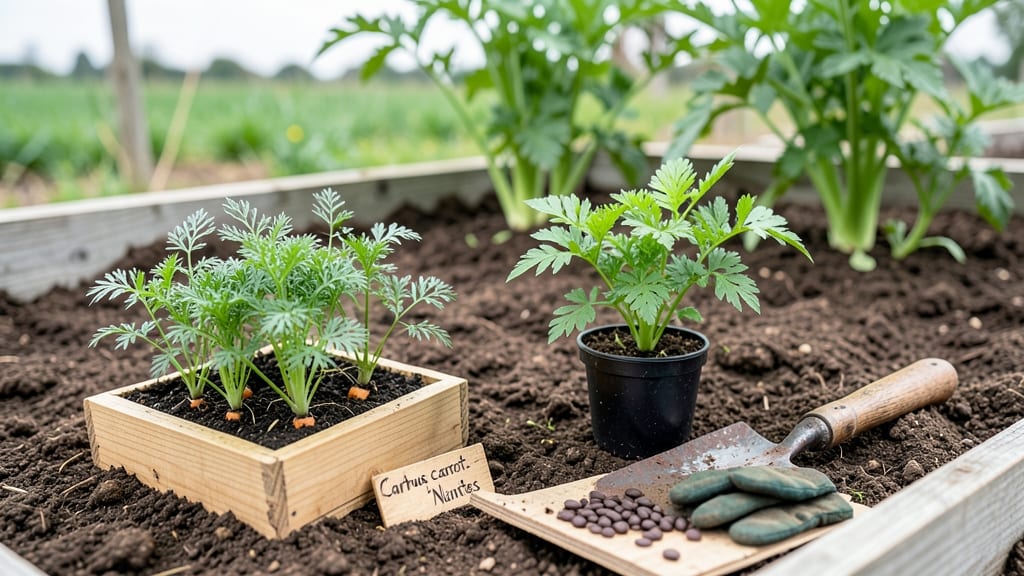
Timing your 🥕 carrot planting in Idaho isn’t just about following a calendar—it’s about outsmarting the state’s unpredictable shifts from frost to scorching heat.
Plant too early in Boise’s Zone 5b, and a late spring freeze will turn your seeds to mush; wait too long in Lewiston’s Zone 7b, and your roots will bolt into bitter, woody sticks before you can harvest. The real secret?
Nailing those 10-day windows between frost dates that actually match your microclimate—not the generic advice you’ll find online.
Let me cut to the chase: Idaho’s 5b-7b zones demand precision. In the high desert near Twin Falls, you’ll sow your first batch by mid-April, while mountain gardeners in McCall wait until late May when the soil warms enough to prevent stunted growth.
But here’s the twist—fall planting? That’s where Idaho gardeners really shine. A late-July start in Zone 6a gives you crisp roots by October, beating the first frost while avoiding the summer’s relentless sun.
Why does this matter? Because no two Idaho gardens are the same. Your neighbor’s “perfect” timing might leave your carrots struggling if you’re tucked in a river valley or perched on a sun-baked plateau.
I’ve tested these strategies across three growing seasons—from the Snake River Plain to the Palouse hills—and I’m sharing the exact adjustments you need to turn “maybe” harvests into reliable, sweet 🥕 bounty.
Ready to stop guessing and start growing? I’ll walk you through the zone-specific calendar, microclimate tweaks, and even the best carrot varieties for Idaho’s short season. Let’s get those seeds in the ground at the perfect moment—no more wasted effort, just homegrown success.
Idaho carrot planting calendar by USDA Zone (with frost dates)
Timing is everything when growing carrots in Idaho. The state spans USDA Zones 4b–7b, meaning your frost dates can vary by 2–3 weeks depending on location.
For crisp, sweet roots, aim to plant when soil temperatures hit 45–50°F—too cold, and seeds rot; too hot, and they bolt.
Idaho’s last spring frost typically arrives between late April and early June, while the first fall frost hits mid-September to early November. Mountain regions like McCall (Zone 5b) have shorter seasons, while Boise (Zone 7a) enjoys longer growing windows. Let’s break down the optimal planting windows by zone.
📅 Spring Planting (Primary Harvest): Start seeds 2–3 weeks after your last frost date. In Zone 4b (Lewiston), that’s mid-April. In Zone 7b (Boise), you can plant as late as early July for a fall harvest.
| USDA Zone | Region | Last Frost | Spring Planting | Fall Planting | Harvest Window |
|---|---|---|---|---|---|
| 4b | Lewiston, Sandpoint | Late May | Mid-April–May 15 | Late July–Aug 1 | June–Sept |
| 5b | McCall, Ketchum | Early June | Late April–May 10 | Late July–July 25 | June–Aug |
| 6a | Coeur d’Alene, Twin Falls | Mid-May | Early April–May 20 | Late July–Aug 10 | June–Sept |
| 7a | Boise, Nampa | Early May | Mid-April–June 1 | Late July–Aug 15 | June–Oct |
| 7b | Meridian, Caldwell | Late April | Late March–July 1 | Late July–Aug 20 | May–Nov |
For continuous harvests, I recommend succession planting every 2 weeks in spring and fall. In Zone 7b (Boise), you can even squeeze in a third planting in early September for a late-fall harvest before frost.
🌱 Pro Tip: Use row covers to extend your spring season by 2–3 weeks in cooler zones like Zone 4b. This protects seedlings from late frosts while keeping soil warm.
Fall planting is trickier—aim to harvest before first frost. In Zone 5b (McCall), that means late August plantings for a September harvest. In Zone 7b (Boise), you can push it to mid-October with row covers.
Always check your local frost dates using the Idaho Master Gardener Program’s frost calendar or the National Weather Service. A 5–7 day
Microclimate adjustments for Idaho’s unique growing conditions
Idaho’s high desert regions like Twin Falls experience hotter days and cooler nights, while river valleys such as the Snake River Plain benefit from warmer microclimates. Meanwhile, mountain foothills like McCall have shorter growing seasons and cooler soil temperatures.
These variations mean your carrot planting schedule should shift based on your exact location to avoid frost damage or woody roots from summer heat.
For high desert areas, aim to plant carrot seeds 2-3 weeks earlier than the general Idaho schedule—late March to early April—since soils warm faster. In river valleys, you can extend your fall planting into mid-September thanks to warmer nights.
Meanwhile, mountain gardeners should wait until mid-May to plant, as soil temperatures lag behind lower elevations.
Soil temperature is your best guide: carrots need soil temps above 50°F to germinate. Use a soil thermometer to check—if it’s below 45°F, wait another week. In urban gardens with limited sun, opt for shade-tolerant varieties like ‘Paris Market’ and plant in partial shade to prevent bolting during heatwaves.
| Microclimate Type | Best Planting Window | Soil Temp Requirement | Shade Adjustments |
|---|---|---|---|
| High Desert (Twin Falls) | Late March–Early April (spring) / Late July (fall) | 50–60°F (soil) | Full sun; mulch to retain moisture |
| River Valley (Snake Plain) | Mid-April–Early June (spring) / Mid-Sept (fall) | 55–65°F (soil) | Full sun; drip irrigation for heat |
| Mountain Foothills (McCall) | Mid-May–Early June (spring) / Late Aug (fall) | 60–70°F (soil) | Partial shade; extend season with row covers |
| Urban Gardens (Boise) | Early April–Late May (spring) / Early Sept (fall) | 50–60°F (soil) | Partial shade; container gardening for flexibility |
If you’re gardening in urban areas with limited space, consider container growing—just ensure pots are at least 12 inches deep and use well-draining soil. For shade gardens, choose short-day varieties like ‘Little Finger’ and plant in morning sun to avoid bolting.
In high-altitude areas, extend your season with floating row covers to protect young seedlings from late frosts.
Pro tip: Test your soil’s moisture before planting—Idaho’s high desert soils dry out quickly. Use organic mulch like straw to lock in moisture and regulate soil temperature. In river valleys, drip irrigation is a game-changer to prevent uneven watering that causes forked carrots.
Adjust your fertilizer schedule too: high-desert gardens need less frequent feeding, while river valleys can handle monthly applications of balanced fertilizer.
By tailoring your planting timing and garden setup to your local microclimate, you’ll enjoy crisp, sweet carrots from spring through fall—even in Idaho’s most challenging growing zones. Start with small test plots to refine your approach, and don’t forget to harvest regularly to encourage continuous production!