
Plants
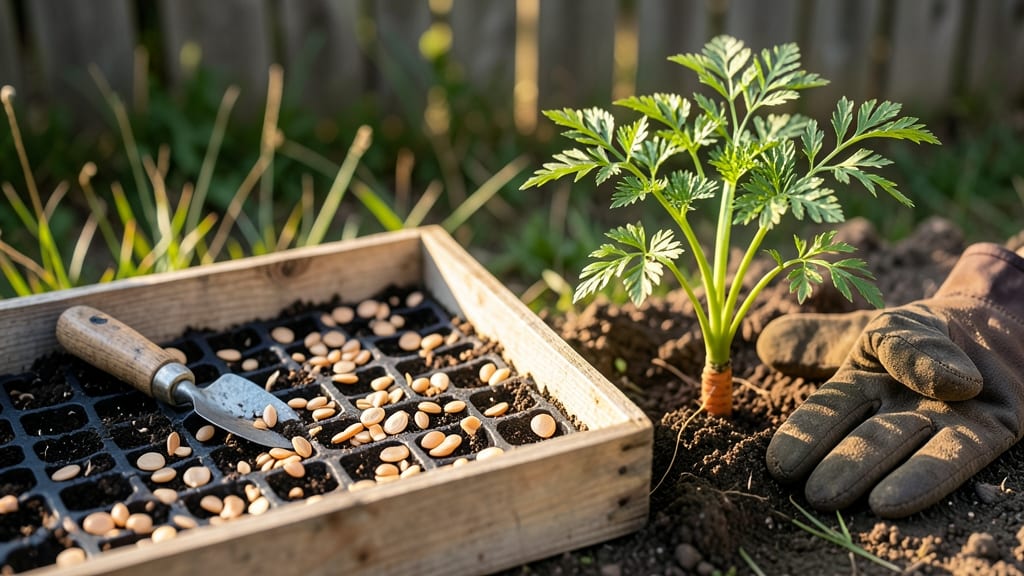
Planting your 🥕 carrots at the wrong time in spring can mean the difference between sweet, crisp roots and bitter, leafy failures. The key isn’t just checking a calendar—it’s understanding when your soil is actually ready to support those tender seeds.
In Zone 6, where most home gardeners live, the ideal window is March to April, but timing depends on more than just the month.
Cold soil can delay germination, while warm soil too soon might trigger bolting—those unwanted flower stalks that ruin your harvest before you even taste them.
I’ve learned the hard way that rushing or waiting too long means wasted effort. The right soil temperature—45°F to 85°F—is the game-changer for strong starts and steady growth. Let me show you exactly how to read your soil’s signals and avoid common mistakes.
Whether you’re a first-time gardener or a seasoned pro, these insights will help you plan for a bolt-free season. Ready to dig in? Let’s break down the perfect planting schedule for your region.
Ideal soil temperature for planting carrots in spring
Carrots thrive when planted in soil temperatures between 45°F and 85°F. This range ensures fast germination and bolt-resistant growth. Cold soil slows sprouting, while overheated soil triggers early flowering. Let’s break down how temperature impacts your carrot harvest and how to test your soil accurately.
For optimal germination, aim for soil temps of 60°F to 70°F.
Below 50°F, seeds may rot in the soil, while above 85°F, they risk bolting—producing bitter, inedible foliage instead of sweet roots. Regional differences matter: Northern climates (USDA zones 3-5) should wait for warmer soil, while Southern zones (7-10) can plant earlier.
To test soil temperature, use a soil thermometer buried 1 inch deep. Check temps in the morning for consistency. If your soil is too cold, extend row covers or wait 1-2 weeks. If it’s too hot, plant in partial shade or use shade cloth until temps stabilize.
Key takeaway: Carrots need consistent warmth to grow straight and sweet. Rush planting, and you’ll end up with forked roots or bolted greens. Patience pays off—wait for the right conditions, and you’ll enjoy a bountiful harvest.
| Soil Temperature Range | Germination Speed | Bolt Risk | Growth Speed |
|---|---|---|---|
| 45°F–50°F | Very Slow (14+ days) | Low | Slow |
| 50°F–60°F | Moderate (7–10 days) | Moderate | Moderate |
| 60°F–70°F | Fast (5–7 days) | Low | Fast |
| 70°F–85°F | Fast (3–5 days) | High (bolt risk) | Very Fast |
| Above 85°F | Slow (seeds dry out) | Very High | Stunted |
In USDA zones 3–5, wait until late April or early May when soil warms to 60°F. Zones 6–8 can start as early as mid-March, while zones 9–10 may plant in January or February for fall harvests. Always check your last frost date and adjust accordingly.
For container gardening, soil warms faster. Use a black plastic pot or add compost to retain heat. Monitor temps closely—containers can overheat quickly, increasing bolt risk. If your soil is too hot, move containers to a shadier spot or water deeply to cool it down.
Pro tip: Mulch with straw after planting to stabilize soil temperature. This keeps roots cool in summer and warm in spring, creating ideal growing conditions for up to 80 days. Mulch also suppresses weeds, reducing competition for nutrients.
Remember, carrots hate disturbances. Once planted, avoid tilling or weeding near them. Their roots grow best in loose, stone-free soil. If your garden has rocks, amend the soil with compost or sand before planting to prevent forked or stunted roots.
By mastering soil temperature, you’ll grow straight, sweet carrots every spring. Skip the guesswork—test your soil, wait for the right conditions, and enjoy a reliable harvest from June through September.
Spring planting timeline by region: avoid bolting and ensure harvest
Timing your 🥕 carrot plantings correctly in spring isn't just about the calendar—it's about matching your region's last frost dates with soil warmth. In USDA Zones 3-5, where winters are harsh, aim for 4-6 weeks before your last frost date (typically late April to early May).
Meanwhile, gardeners in Zones 6-10 can start as early as March, but only if soil temperatures stay below 85°F to prevent bolting.
For continuous harvests, I recommend staggered plantings every 2-3 weeks after your initial date. This ensures fresh carrots from June through September, even in short-season climates.
The key is reading your soil—not just the thermometer. A simple soil thermometer ($10 at garden centers) will tell you when it's truly time to plant.
Here’s how to adjust your schedule based on your zone to maximize growth and minimize bolting risks:
In Zones 3-5, where growing seasons are short, focus on early-maturing varieties like 'Early Nantes' (58 days) to beat frost. Plant your first batch 4-6 weeks before your last frost, then add 2-3 more plantings every 2 weeks for a steady supply.
For example, if your last frost is May 10, start planting on April 1.
For Zones 6-10, you’ve got more flexibility. Start with Danvers Half Long in early March for a July harvest, then follow up with Chantenay in April for a September bounty.
The trick is to stop planting by June—any later, and your carrots may bolt from the heat. I’ve found that shade cloth (30% coverage) can extend the window by 2-3 weeks in hot zones.
Pro tip: Use row covers in early spring to warm the soil faster and protect seedlings from cutworms and flea beetles. Remove them once soil hits 55°F to avoid overheating. And remember, loose, stone-free soil is non-negotiable—carrots need room to grow, or they’ll fork like a lightning bolt!