
Plants
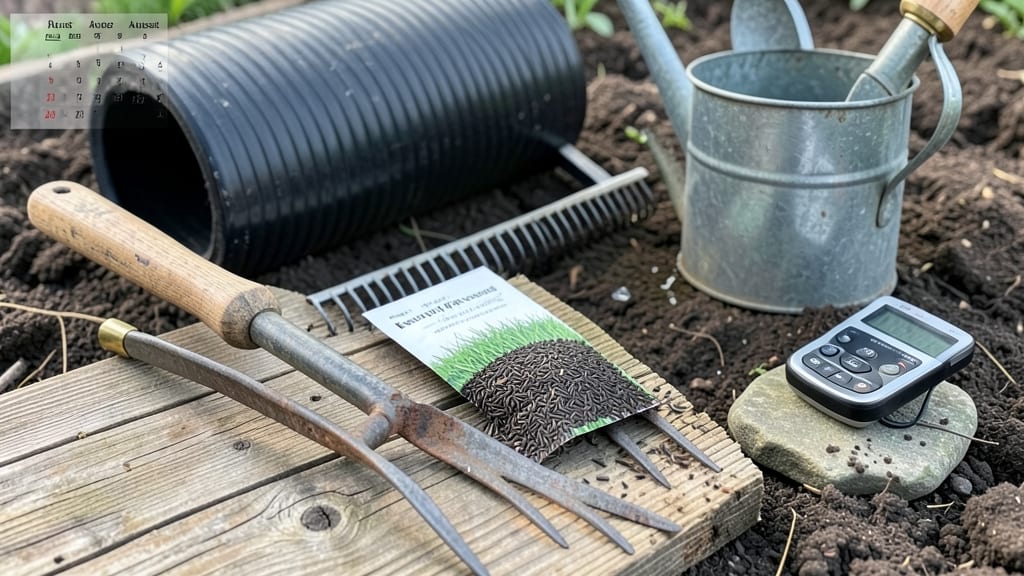
Planting grass seed in Maryland at the wrong time can leave you staring at a patchy lawn—or worse, starting over. The best window isn’t just about months; it’s about soil temperature, rainfall, and avoiding those pesky late frosts that turn your hard work into a sad, brown memory.
If you’ve ever wondered why your neighbor’s lawn looks like a golf course while yours struggles, timing is the key. Maryland’s 7a-8a zones give you two prime chances each year—spring and fall—but getting it wrong means weeds win.
I’ll break down the exact months when your seed has the best shot at thriving, plus how to prep your soil for fast germination.
Skip the guesswork and learn how to read Maryland’s microclimates (coastal vs. inland) to pick the perfect week. Whether you’re seeding a new yard or patching bare spots, these insights will save you time, money, and frustration. Let’s get your lawn growing like it’s spring all year round.
From soil temps to seed selection, I’ll cover everything you need to know to turn your lawn into the envy of the neighborhood. Ready to dig in?
Maryland’s exact grass seed planting windows by month (with soil temp rules)
Timing your grass seed planting in Maryland isn’t just about picking a month—it’s about soil temperature, regional frost dates, and avoiding summer drought stress. The ideal window spans just 4 months, but missing it by even a week can mean weak germination or weed competition.
For Baltimore’s coastal climate, aim for early fall (Sept–Oct), while Western MD’s mountain areas (like Frederick County) can push into late April without frost risk.
Your grass seed needs consistent soil temps between 50°F and 65°F to germinate reliably. Below 50°F, seeds stall; above 70°F, they dry out before sprouting. Use a soil thermometer (just $10 at garden centers) to check depths of 2–4 inches—this is your #1 rule for success.
Maryland’s last spring frost typically hits mid-April, but mountain regions can see frost into May.
Here’s your Maryland-specific planting calendar, broken down by region and soil conditions to maximize germination rates:
Fall planting (Sept–Oct) is 90% of Maryland gardeners’ success because cooler temps reduce weed pressure and established roots handle winter better. But if you’re in Baltimore City, urban heat islands can push soil temps into the 70s°F by late September—use shade cloth to keep seeds cool until germination.
For Western MD’s Piedmont region, aim for early September to avoid early frosts that hit by mid-October.
Spring planting is riskier due to late frosts and summer drought. If you plant in April, cover seeds with frost blankets until soil warms consistently above 50°F. I’ve seen Kentucky Bluegrass fail entirely when planted in May—the heat dries out seeds before they sprout.
Always water deeply twice daily (morning and evening) for the first 2 weeks after planting, regardless of season.
Maryland’s clay-heavy soils retain moisture but compact easily, slowing germination. Before planting, aerate your lawn to break up compaction and mix in compost or peat moss to improve drainage.
This is especially critical in low-lying areas where water pools after rain. Test your soil’s pH (6.0–7.0)—acidic soils (pH <5.5) will stunt grass growth, even
How to prepare your Maryland lawn for fast germination (step-by-step pre-planting checklist)
Maryland’s clay-heavy soils and humid climate demand extra prep work to ensure your grass seed germinates quickly and evenly. Skipping soil testing or weed control can leave your lawn patchy and weak—especially in USDA Zones 7a-8a.
The key? A two-step process: testing and amending the soil, then creating the perfect seedbed for moisture retention and weed suppression.
Start by testing your soil pH—Maryland’s native soils often sit at 5.5 or lower, which stunts germination. Aim for a pH of 6.0–7.0 by adding pelletized lime (apply 2–3 months before planting).
For clay soils, mix in 2–3 inches of compost or peat moss to improve drainage and aeration. This step alone can triple your seed’s success rate.
Weed control is non-negotiable in Maryland’s wet springs and falls. Use a pre-emergent herbicide 2 weeks before planting to block crabgrass and chickweed, then hand-pull any remaining weeds. For organic options, try corn gluten meal—it’s a natural pre-emergent that also adds nitrogen to the soil.
Your Maryland Grass Seed Prep Checklist
- 🔍 Test soil pH (use a digital pH meter or send a sample to the UMD Extension lab). Adjust to 6.0–7.0 with lime if needed.
- 🌱 Till the soil to a depth of 3–4 inches using a core aerator (breaks up clay compaction). Rake to create a fine, level surface.
- 💧 Water deeply 24 hours before planting to settle the soil. Aim for 1 inch of moisture in the top 6 inches.
- 🌿 Apply starter fertilizer (high in phosphorus, like 10-20-10) at ½ pound per 100 sqft to boost root growth.
- 🌱 Spread seed evenly with a broadcast spreader, overlapping passes by 50%. Lightly rake to bury seeds ¼ inch deep.
- 💦 Water lightly immediately after planting, then keep soil moist (not soggy) for 14–21 days—Maryland’s clay holds moisture well, but evaporation is high in summer.
After planting, mulch with straw (not hay—it contains weed seeds) to retain moisture and protect seedlings from bird damage. In Maryland’s humid climate, avoid mulching too thickly—¼ inch is ideal to prevent fungal growth.
For fastest germination, water in the early morning to reduce evaporation and fungal risks.
Monitor your lawn daily for the first 10 days. Maryland’s unpredictable spring rains can wash away seeds, while summer droughts can dry them out.
If you notice uneven sprouting, reapply water gently with a fine mist and check for soil compaction—a quick pass with a garden roller can help.
Once your grass reaches 3–4 inches tall, it’s time to mow—but never cut more than ⅓ of the blade height at once. In Maryland, this usually happens 6–8 weeks after planting, depending on the grass seed variety.
For cool-season grasses like Tall Fescue, this means your lawn will be ready for full maintenance by late May or early October.