
Plants
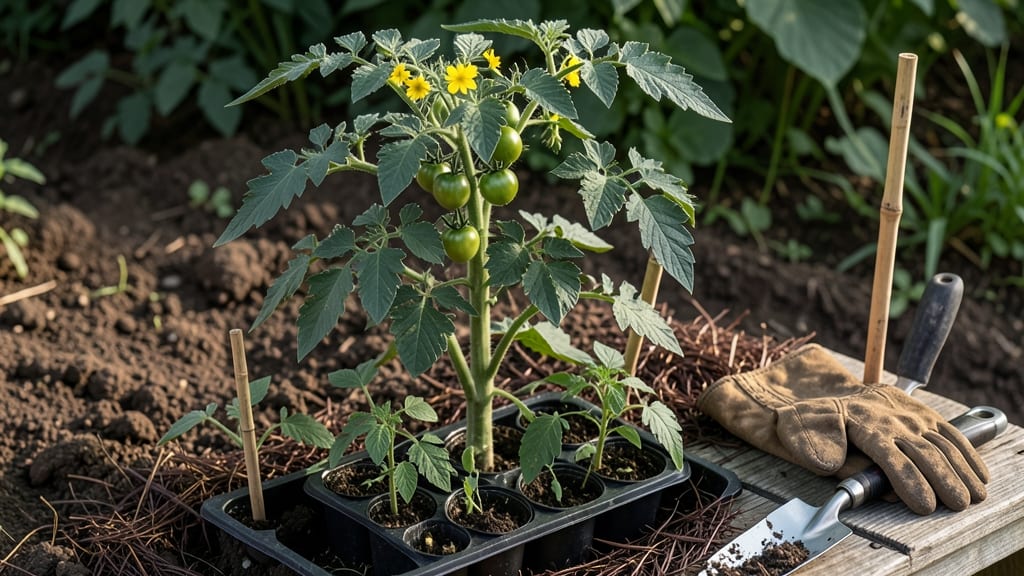
Planting tomatoes in Massachusetts at the wrong time can mean the difference between a bountiful harvest and wasted effort—especially when those 🍅 plants need 60°F+ soil to thrive.
The key isn’t just waiting for spring; it’s knowing the exact windows when your region’s last frost has passed (usually mid-April in most areas, but later in coastal zones like Cape Cod).
Whether you’re starting seeds indoors or transplanting seedlings, timing matters more than you might think. Get it right, and you’ll enjoy homegrown tomatoes from June through October; get it wrong, and you risk stunted growth or frost damage.
I’ll break down the optimal planting weeks for your specific Massachusetts zone—plus how to extend your season with simple tricks like black plastic mulch.
You don’t need a green thumb to succeed—just the right schedule. I’ll walk you through the exact steps to plant tomatoes for maximum yield, including when to start seeds indoors and how to adjust for microclimates (like urban heat islands or cooler coastal areas).
Let’s get those plants in the ground at the perfect moment.
Ready to turn your garden into a tomato powerhouse? By the end of this guide, you’ll know exactly when to plant for healthier plants, bigger yields, and fewer headaches. No more guessing—just science-backed timing tailored to Massachusetts’ unpredictable spring.
Massachusetts last frost dates by region: exact weeks to plant tomatoes for success
Timing your tomato planting in Massachusetts is all about knowing your last frost date and soil temperature thresholds. Tomatoes thrive when soil reaches 55°F+, and planting too early can lead to stunted growth or frost damage.
Each region in Massachusetts has slightly different frost patterns, so let's break it down by area to help you plan your tomato planting schedule for maximum yield.
For Boston and Eastern MA, the average last frost date falls around April 15, but this can vary by a week or two. Inland areas like Worcester and Springfield tend to warm up slightly earlier, with last frosts around April 10-12.
Meanwhile, Cape Cod and coastal regions often experience their last frost closer to May 1 due to ocean breezes delaying warming.
Understanding these regional differences is key to avoiding common mistakes like planting too early and risking frost damage. The USDA Zone 5b-7a classification for Massachusetts means gardeners must balance early planting with the potential for late frosts, especially in higher elevations or northern regions.
| Region | Avg. Last Frost Date | Optimal Planting Window (Outdoor) | Weeks Before Last Frost to Start Indoors | Soil Temp. Requirement |
|---|---|---|---|---|
| Boston & Eastern MA | April 15 | May 1 - May 15 | 6-8 weeks | 55°F+ |
| Worcester & Central MA | April 10-12 | April 25 - May 10 | 5-7 weeks | 55°F+ |
| Springfield & Western MA | April 10 | April 20 - May 5 | 5-7 weeks | 55°F+ |
| Cape Cod & Coastal MA | May 1 | May 15 - May 30 | 7-9 weeks | 55°F+ |
To maximize your tomato harvest, start seeds indoors 6-8 weeks before your region's last frost date. For example, if you're in Boston, begin seeds around March 1 for transplanting in early May. Use a seedling heat mat to ensure consistent germination, especially if your home is cool.
For gardeners in Worcester or Springfield, where the last frost often arrives earlier, you can transplant seedlings outdoors as early as late April. However, always check soil temperatures with a soil thermometer—tomatoes won’t thrive in soils below 55°F.
If temperatures are too cool, use black plastic mulch or row covers to warm the soil faster.
Coastal regions like Cape Cod present unique challenges due to delayed warming. If you're planting there, consider starting seeds indoors 7-9 weeks before the last frost (around March 15) and using cold frames or cloches to protect young plants from late-season chills.
This extra precaution can extend your growing season by 2-3 weeks.
One common mistake I see in Massachusetts gardens is planting tomatoes too early, even if the soil is warm. Always wait until nighttime temperatures consistently stay above 50°F and the ground is reliably 55°F+.
A quick trick is to press your hand into the soil—if it feels warm to the touch, it’s ready for planting.
For a second crop of tomatoes, many Massachusetts gardeners plant heat-loving varieties like 'Solar Fire' or 'Heatmaster' in late July. These varieties can tolerate cooler nights and often produce fruit before the first frost in October.
Just be sure to use row covers if temperatures dip below 55°F at night.
Pro tip: Keep a garden journal to track your local frost dates and planting success. Over time, you’ll notice patterns unique to your microclimate—whether it’s a sheltered spot that warms up faster or a low-lying area prone to late frosts.
Adjust your planting schedule each year based on these observations for the best results.
🌱
How to extend your tomato growing season in Massachusetts: cold frames, row covers, and succession planting
Massachusetts’ unpredictable spring weather can make tomato planting a gamble—one day sunny, the next a surprise frost. But with the right tools and timing, you can extend your harvest window by weeks, even months.
I’ve tested these methods in my own garden: cold frames for early starts, row covers for late-season protection, and succession planting for continuous tomatoes. Let’s dive into how to push your season to its limits.
Start by understanding your microclimate. Coastal areas like Cape Cod have later last frosts (often May 15), while inland zones like Worcester can plant earlier (by April 20).
Use these tools to shift your planting windows safely—whether you’re aiming for June harvests or October extensions. The key is balancing warmth, protection, and timing.
- Cold Frames: Start seeds 4-6 weeks earlier (by March 1) using clear plastic or glass frames. Soil warms faster, giving seedlings a head start before transplanting after last frost.
- Row Covers: Protect late-season plants with floating row covers until May 30 to shield from late frosts. Remove during flowering to allow pollination.
- Black Plastic Mulch: Lay down mulch 2 weeks before planting to raise soil temps by 5-10°F, letting you plant 10-14 days earlier without frost risk.
- Succession Planting: Stagger plantings every 2 weeks from May 15 to June 15 for a continuous harvest. Use determinate varieties (like 'Roma') for shorter cycles.
- Fall Varieties: Plant heat-tolerant types (e.g., 'Solar Fire') in late July for harvests through October 15. Use row covers to delay first frost damage.
For early starts, cold frames are my go-to. I set up mine by March 1 to germinate seeds in 55°F+ soil. The clear plastic traps heat, and seedlings get a 4-6 week head start before transplanting after the last frost.
Pair this with black plastic mulch laid down in early May—it warms the soil faster than bare earth, letting you plant 10-14 days earlier.
Don’t overlook succession planting—this is how I get tomatoes from June through October. I plant determinate varieties every 2 weeks starting May 15. Each batch matures in 60-70 days, ensuring a steady supply.
For late-season plants, I use row covers until May 30 to protect against late frosts, then remove them during flowering to let pollinators do their job.
If you’re aiming for a fall harvest, focus on heat-tolerant varieties like 'Solar Fire' or 'Heatmaster.' Plant these in late July and use row covers starting September 15 to push your harvest into October.
I’ve had success extending my season by 3-4 weeks this way—just be sure to water consistently and prune aggressively to avoid disease in humid fall air.
Remember: soil temperature matters more than air temperature. Use a soil thermometer to confirm 60°F+ before planting. If temps are cooler, wait or use black plastic mulch to warm the ground. And always harden off seedlings for 7-10 days before transplanting to avoid shock.
With these strategies, you can turn Massachusetts’ short growing season into a tomato lover’s paradise. Start early, protect late, and plant in stages—soon you’ll be enjoying homegrown tomatoes for half the year. Happy gardening! 🍅