
Plants
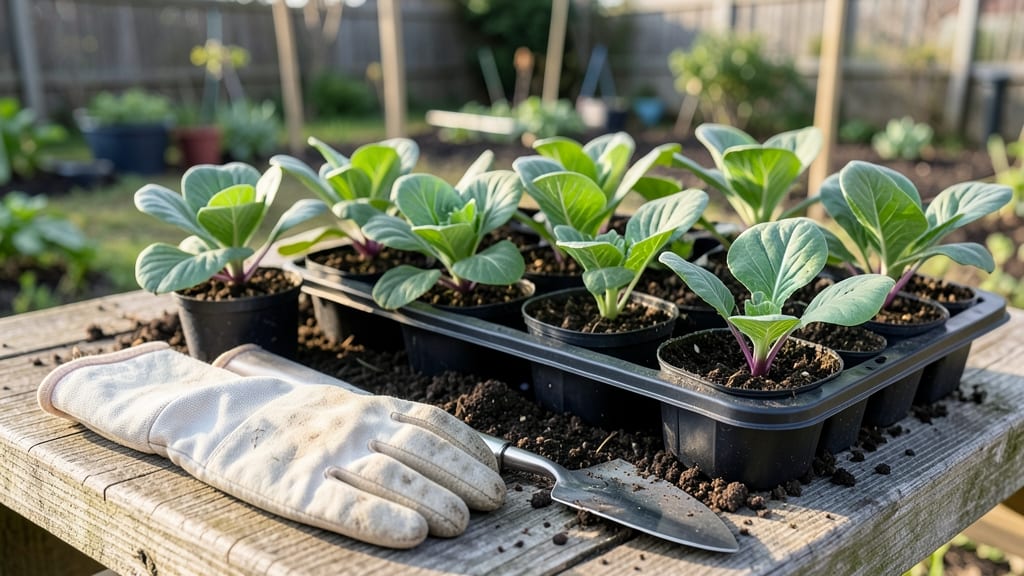
Planting cabbage in Missouri at the wrong time means bitter, bolting plants instead of the sweet, crisp heads you crave. The key to success lies in timing—specifically, knowing exactly when to start seeds or transplant seedlings to avoid heat stress and premature flowering.
Missouri gardeners in zones 5b-6a have a narrow window for spring planting, typically between March 15 and April 15, while fall offers a second chance from August 1 to September 1.
Missing these deadlines can turn your cabbage into a sad, bitter mess instead of the hearty 🥬 harvest you're dreaming of.
I’ve grown cabbage in Missouri for years, and the difference between a perfect head and a bolting disaster comes down to two things: soil temperature and frost timing. Let me show you how to nail it—so you can enjoy fresh, homegrown cabbage from June through November without the stress.
Ready to avoid the most common mistakes? We’ll cover everything from exact weeks before last frost to soil prep and variety selection, so your cabbage thrives instead of bolts. Let’s get started!
Missouri cabbage planting schedule by exact weeks before last frost
Missouri’s USDA zones 5b-6a give us a 165-day frost-free season, but cabbage thrives best when planted within precise windows to avoid bolting or frost damage.
For St. Louis, Kansas City, and Columbia, your last frost date typically falls around April 15, but microclimates can shift this by 1-2 weeks.
Spring planting is critical—start 4-6 weeks before last frost (around March 15-April 1) for transplanting or direct sow 2-3 weeks earlier indoors. Fall cabbage should go in August 1-September 1, giving heads time to mature before first frost (October 15).
Timing this right means the difference between crisp, sweet heads and bitter, flowering plants.
Here’s how Missouri’s three major regions align with planting windows, including soil temperature thresholds to prevent bolting:
| Region | Last Frost Date | Spring Planting Window | Fall Planting Window | Soil Temp Threshold (°F) | Bolting Risk |
|---|---|---|---|---|---|
| St. Louis | April 10-15 | March 15-April 1 | August 15-Sept 1 | 45-50°F (min) | High if planted >4wks early |
| Kansas City | April 5-10 | March 1-April 5 | July 30-Aug 15 | 40-45°F (min) | Moderate if soil >55°F |
| Columbia | April 15-20 | March 20-April 5 | August 1-Sept 10 | 50-55°F (min) | Low if planted on time |
🌱 Pro Tip: Use a soil thermometer—cabbage roots struggle below 45°F.
Missouri’s microclimates can shift frost dates by up to 2 weeks. If you’re in a warmer lowland (like near the Missouri River), plant 1 week later than the average. Conversely, higher elevations (e.g., Ozarks) may need earlier planting to avoid late frosts.
For direct sowing, Missouri gardeners often start seeds indoors 4-6 weeks before last frost (early March) and transplant 3-4 weeks later. This gives seedlings a head start in cooler soil, reducing stress. Use biodegradable pots to avoid root disturbance when transplanting.
Fall cabbage is trickier—plant too early, and heat will trigger bolting. Aim for August 1-September 1, choosing fast-maturing varieties (like ‘Golden Acre’) that can reach harvest before first frost. Mulch with straw to insulate roots and extend the season by 2-3 weeks.
Missouri’s summer heat (especially July-August) is the biggest enemy of cabbage. If you miss the fall window, consider shade cloth (30-50% coverage) to keep soil temps below 75°F. Without protection, plants may bolt in as little as 10 days of sustained heat.
Always check your local USDA Plant Hardiness Zone map for precise adjustments. Missouri’s zones range from 5b (northern) to 6a (southern), and even small shifts can change your planting timeline by 1-2 weeks. For real-time updates, bookmark the Missouri Botanical Garden’s frost calendar.
Remember: Soil temperature matters more than air temperature. Use a soil thermometer to confirm 45-50°F before planting—cold soil delays germination and invites rot. If soil is too warm (70°F+), your cabbage will bolt faster than you can harvest.
How to time cabbage planting for zero bolting in Missouri’s heat
Missouri’s summer heat can turn your cabbage plants into bitter, flowering stalks faster than you can say "bolting." The key to avoiding this is strategic planting timing and a few smart tricks.
Start by planting your spring cabbage 4-6 weeks before your last frost date—typically between March 15 and April 15—to give plants time to mature before summer’s heat peaks.
For fall cabbage, aim for August 1 to September 1, but avoid planting too early. Cabbage planted in late July may bolt when temperatures rise in August. Instead, wait until soil temperatures drop below 80°F to reduce stress.
🌱
- Use shade cloth (30-50%) during peak summer heat (June-August) to lower leaf temperatures by 10-15°F. This mimics cooler fall conditions and delays bolting.
- Succession plant every 2 weeks in spring and fall. Staggered plantings ensure a continuous harvest and reduce the risk of all plants bolting at once during heatwaves.
- Choose heat-tolerant varieties like 'Cavalo' or 'Golden Acre'. These varieties handle Missouri’s 90°F+ days better than traditional types and delay bolting by 10-14 days.
Another pro tip: Water deeply in the morning to keep soil moisture consistent. Cabbage roots need 1-2 inches of water weekly, but uneven moisture triggers bolting. Use drip irrigation or soaker hoses to avoid wetting leaves, which reduces disease risk.
If your cabbage starts to bolt—look for tall flower stalks or loose heads—harvest what you can immediately. The inner leaves and small heads are still edible and delicious in salads or stir-fries.
For next year, adjust your planting schedule or invest in a low-tunnel hoop house to extend the growing season.
💧
Remember, Missouri’s climate is unpredictable. Keep an eye on your local weather forecasts and adjust your planting dates if an unusually warm spring or early heatwave arrives. With these strategies, you’ll enjoy crisp, sweet cabbage heads all season long—no bolting in sight!