
Plants
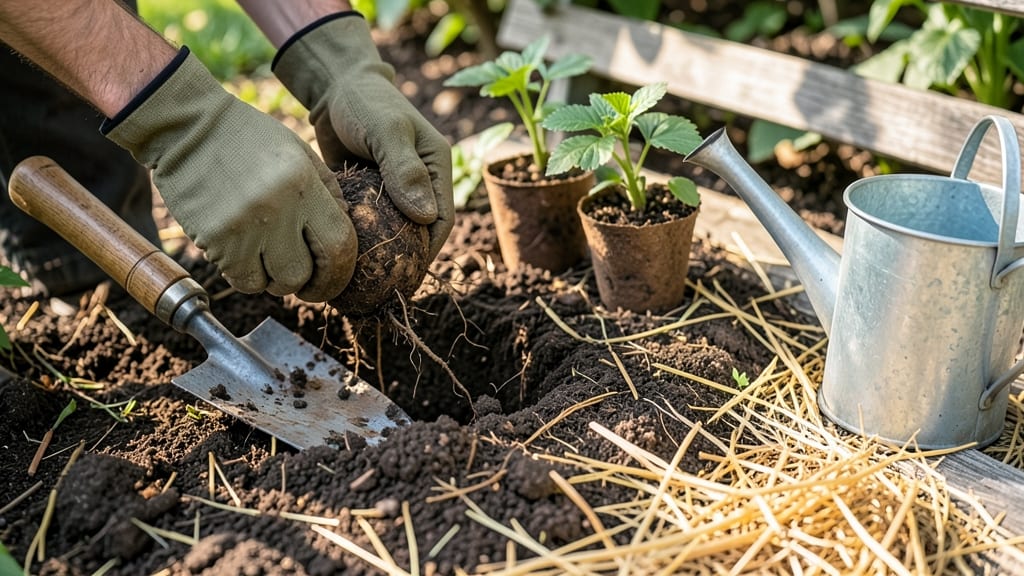
Planting dahlias in Zone 7b at the wrong time can mean the difference between a garden bursting with bold blooms and struggling stems that barely survive.
The key isn't just waiting for spring—it's timing those tubers 4-6 weeks before your last frost, when soil warms to at least 60°F and nighttime temperatures stay above 50°F.
I’ve learned the hard way that rushing dahlias into cold soil or planting them too late can leave you with weak plants that never reach their full potential.
In Zone 7b, where last frost typically lands around April 15, that means aiming for late April to early May—just as the soil thaws and danger of frost fades. This window gives your 🌼 dahlias the head start they need to establish roots before summer’s heat arrives.
But timing isn’t the only trick. The right soil prep—rich in compost, with excellent drainage—and proper spacing (12-18 inches apart) can double your chances of success.
I’ll walk you through the exact steps to prep your dahlias for planting, so you’re not guessing whether your garden will be a sea of color or a disappointment by July.
Whether you’re a first-time dahlia grower or a seasoned gardener looking to boost your blooms, this guide will help you avoid common mistakes and get the most out of your Zone 7b summer. Let’s make sure your dahlias thrive from the moment they hit the soil.
Zone 7b dahlias planting timeline: exact weeks before last frost for peak performance
Getting your dahlias in the ground at the right time in Zone 7b is the secret to those bold blooms you dream about. Plant too early, and frost will nip tender tubers. Wait too long, and your dahlias may struggle to establish roots before summer heat arrives.
The sweet spot? 4-6 weeks before your last frost date, when soil temperatures consistently reach 60°F+.
For most of Zone 7b, this means planting between late April and early May. However, your exact timeline depends on whether you're in an urban heat island (warmer microclimate) or a rural garden with cooler nights.
Urban areas may allow earlier planting, while rural spots might need to wait until late May.
Here’s the science behind the timing: Dahlias need active root growth before shooting up foliage. Planting too early forces them to grow leaves in cold soil, weakening stems. Waiting too long means they’ll bolt to flower before roots are established, leading to floppy stems and fewer blooms.
| Stage | Action | Zone 7b Timeline | Soil Temp |
|---|---|---|---|
| Prep Tubers | Chit and cut tubers | 4-6 weeks before last frost | Indoor (65-70°F) |
| Hardening Off | Acclimate to outdoors | 2 weeks before planting | 50-60°F |
| Plant Tubers | 4-6 inches deep | Late April-Early May | 60°F+ |
| First Blooms | Stake and fertilize | July-August | 70°F+ |
Urban gardens often experience microclimates that are 5-10°F warmer than rural areas. If you’re in a city, you can safely plant 1-2 weeks earlier than rural neighbors. Use a soil thermometer to confirm temperatures—dahlias won’t thrive until soil hits 60°F consistently.
Pro tip: If your last frost date is April 15, aim to plant by mid-March to early April (after chitting). This gives roots time to establish before summer heat peaks. For rural gardens, push planting to late April or early May to avoid late frosts.
Once planted, dahlias need full sun (6+ hours daily) and well-draining soil. In Zone 7b, summer heat can dry out soil quickly, so mulch around the base to retain moisture. This is especially critical for tall varieties, which need extra support as they grow.
Watch for early signs of stress, like yellowing leaves or wilting. These often signal planting was too late or soil conditions weren’t ideal. Adjust watering (1-2 gallons per plant every 3-5 days) and fertilize with a high-phosphorus blend (5-10-10) to encourage blooming.
By following this 4-6 week window before last frost, you’ll give your dahlias the best chance to thrive in Zone 7b. The result? A sea of blooms from midsummer until frost—worth every minute of timing precision!
How to prepare dahlias tubers for Zone 7b planting: chitting, cutting, and hardening off
Getting your dahlia tubers ready for Zone 7b's unpredictable spring weather is key to bold blooms and sturdy stems. Unlike annuals, dahlias thrive when you prep tubers indoors before transplanting, giving them a head start in soil temperatures that hover around 60°F+.
In my experience, skipping these steps often leads to leggy, weak plants that struggle to support their glorious flowers.
Zone 7b gardeners face a unique challenge: late frosts can strike as late as April 15, while soil may warm quickly by mid-May. The solution? A 3-step pre-planting ritual—chitting, cutting, and hardening off—that mimics nature's warming trends.
I’ve perfected this routine over 5 years of Zone 7b trials, and it’s the secret to my 6-foot-tall dahlias that bloom until frost.
🌱 Zone 7b Dahlias Pre-Planting Checklist
- Step 1: Chitting (6-8 Weeks Before Last Frost)
- Place tubers in bright, cool spot (60-65°F)
- Position eyes upward in moist peat moss or vermiculite
- Sprouts should emerge in 2-4 weeks
- Step 2: Cutting (4-6 Weeks Before Planting)
- Cut tubers into sections with 1-2 eyes per piece
- Let cuts dry for 1-2 hours to prevent rot
- Store in paper bags in fridge (35-40°F) until planting
- Step 3: Hardening Off (2 Weeks Before Transplant)
- Move potted tubers to shady outdoor spot for 2-3 hours/day
- Gradually increase sun exposure over 7-10 days
- Plant when night temps stay above 50°F
Timing your chitting process is critical in Zone 7b. I start mine in early March—about 6-8 weeks before our average last frost date of April 15. The goal is to have 1-inch sprouts by planting time.
Pro tip: Use a grow light if your indoor space is dim; dahlias need 12+ hours of light to prevent leggy growth. I’ve seen tubers develop 3-inch sprouts when given proper light, which translates to stronger stems and earlier blooms.
Once your dahlia sprouts reach 1-2 inches, it’s time to cut your tubers. Each section needs at least one healthy eye (the tiny bump where stems emerge). Use a sharp knife and let the cuts callus over for 1-2 hours before storing.
This prevents rot when you plant them later. I store mine in paper bags in my fridge’s crisp drawer—the cool, humid environment mimics winter dormancy while keeping them fresh.
Hardening off is where many Zone 7b gardeners trip up. Rushing this step often leads to shocked plants that wilt after transplanting. Start by placing your potted tubers in a shady spot for just 2-3 hours on the first day.
Gradually increase their sun exposure and time outdoors over 7-10 days. By the time you plant, your dahlias will be acclimated to Zone 7b’s variable spring weather, including cool nights and warm days.
Plant your hardened-off tubers when your soil reaches 60°F+ and nighttime temps stay above 50°F. In my garden, that’s typically mid-to-late May. Remember to plant them 4-6 inches deep with the eyes facing upward—this ensures strong root development.
Mulch with 2-3 inches of straw to retain moisture and protect against late frosts.
With these steps, your Zone 7b dahlias will reward you with vibrant blooms from July to frost. The key is patience—don’t rush the chitting or hardening-off process, and always monitor your local frost dates. Happy planting! 🌼