
Plants
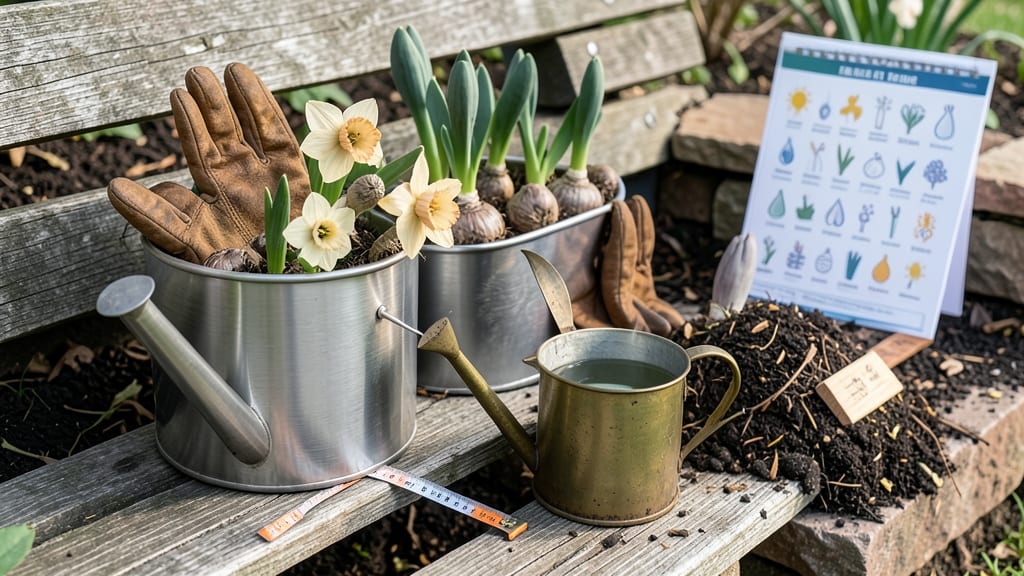
Planting spring-blooming bulbs in Central Texas feels like playing a high-stakes game of timing—get it wrong, and your 🌷 tulips and daffodils might never make it through winter. But here’s the good news: with the right window, you can outsmart Texas’s unpredictable freezes and still enjoy vibrant spring blooms.
Most gardeners in USDA zones 8a-8b swear by planting between October and December, but why? The key is getting those bulbs in the ground 6-8 weeks before the first frost—usually by mid-November.
This gives roots time to establish before winter sets in, so they’re ready to burst into color when spring arrives.
If you’ve ever wondered why some bulbs thrive while others vanish overnight, it’s not just about when you plant—it’s about soil temperature, mulch depth, and even microclimates in your yard.
I’ll break down the exact steps to maximize your chances, from choosing the hardiest varieties to protecting them from late freezes.
Ready to transform your garden into a spring paradise? Let’s dive into the perfect planting schedule that actually works in Central Texas—no guesswork, just proven results.
Best months to plant bulbs in Central Texas for frost-free growth
Central Texas’s USDA zones 8a-8b mean bulbs need precise timing to survive winter freezes while still blooming beautifully in spring. Unlike northern climates, we can’t plant bulbs in late fall—our first frost often arrives by mid-November, leaving little room for root establishment.
The key is planting 6-8 weeks before the ground freezes, typically between mid-October and early December.
Most spring-flowering bulbs like tulips, daffodils, and hyacinths should be in the ground by November 15 to develop strong roots before cold snaps hit.
Native Texas bulbs like rain lilies (Zephyranthes) or spider lilies (Hymenocallis) are more forgiving, but even they benefit from early planting to establish before summer heat arrives.
Here’s the critical timing breakdown for Central Texas gardeners:
| Bulb Type | Ideal Planting Window | Soil Temp Threshold | Frost Risk |
|---|---|---|---|
| Tulips, Daffodils, Hyacinths | Mid-October to November 15 | 60-70°F (cooler = better) | High (plant early!) |
| Crocus, Snowdrops | Late October to December 1 | 55-65°F | Moderate (hardier) |
| Rain Lilies, Spider Lilies | September to November 1 | 70-80°F (heat-tolerant) | Low (native adaptability) |
| Alliums, Fritillaries | October to November 10 | 60-75°F | Moderate (drought-tolerant) |
If you miss the fall window, don’t despair—January planting is still viable for bulbs like tulips, especially if you use mulch (4-6 inches of straw or leaves) to insulate them.
However, blooms may arrive later or be less robust. For best results, mark your calendar for October 15 as your last chance to plant traditional spring bulbs.
Central Texas’s unpredictable freezes (even in December!) demand extra caution. After planting, cover bulbs with mulch or frost cloth if temperatures dip below 25°F. This mimics the natural insulation of deeper soil layers and can mean the difference between thriving blooms and lost investments.
Pro tip: Test your soil’s drainage before planting. Bulbs rot in soggy soil, so amend heavy clay with compost or sand to create loose, airy beds. Aim for 6-8 inches deep—deeper for large bulbs like daffodils, shallower for tiny crocus.
Remember, bulb size matters. Plant larger bulbs (like 12-inch daffodils) deeper (8 inches) than smaller ones (like 4-inch tulips, which need only 6 inches). Follow the rule: plant depth = 3x bulb height. This ensures roots establish before winter sets in.
For gardeners in warmer microclimates (like Austin’s urban areas), you might push planting into early December. But if you’re in cooler hill country, start as early as September. Check your local Cooperative Extension office for precise frost dates—every few miles can mean weeks of difference!
Finally, don’t fertilize at planting. Bulbs need time to root before absorbing nutrients. Wait until early spring (after blooms fade) to feed with a balanced 5-10-10 fertilizer. This timing prevents winter burn and promotes stronger foliage for next year’s blooms.
Best months to plant bulbs in Central Texas for frost-free growth
Central Texas’s USDA zones 8a-8b mean unpredictable freezes can wipe out bulbs if planted too late. But timing your fall planting correctly ensures vibrant spring blooms without frost damage. Most traditional bulbs—like tulips and daffodils—need 6-8 weeks before the ground freezes to establish roots.
For Central Texas, that window is October through December. Planting in November is ideal—cool soil helps roots grow before winter. However, if you miss this window, early January can work for hardier varieties like rain lilies, though blooms may be delayed or smaller.
🌱
| Bulb Type | Ideal Planting Month | Soil Temp Threshold | Notes |
|---|---|---|---|
| Tulips | October–November | 50–60°F | Needs chilling; plant early for best blooms. |
| Daffodils | November–December | 45–55°F | More heat-tolerant than tulips; blooms earlier. |
| Rain Lilies | January–February | 55–65°F | Native to Texas; no chilling required. |
| Crocus | October–November | 40–50°F | Early bloomer; drought-resistant once established. |
| Spider Lilies | February–March | 60–70°F | Thrives in Central Texas heat; plant after last frost. |
Avoid planting traditional spring bulbs after December 1st—roots won’t have time to establish before winter. Instead, opt for native Texas bulbs like rain lilies or bluebonnet bulbs, which adapt better to our climate and can be planted later in the season.
For container gardening, plant bulbs in October and keep pots in a cool, dark place (like a garage) until Januarydrainage holes to prevent rot during Texas’s sporadic rains.
Pro tip: Mulch heavily (3–4 inches) after planting to insulate bulbs from temperature swings. Use straw or pine straw—they break down slowly and won’t compact like leaves. Remove mulch in early spring to allow foliage to photosynthesize and feed the bulb for next year’s blooms.
✂️