
Companion Plants
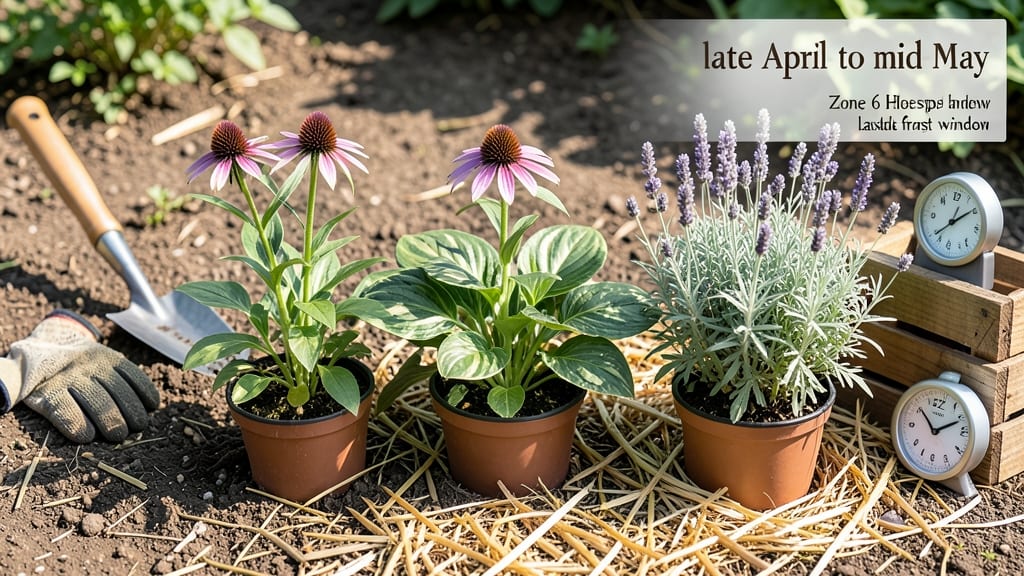
When can I plant perennials in Zone 6 at the right time could mean the difference between a garden that thrives and one that struggles—especially when frost sneaks in unexpectedly. Most gardeners assume planting in early spring is the only option, but fall offers a secret window too, when soil temperatures drop just enough to avoid transplant shock. The key isn’t just checking the calendar; it’s reading your soil like a weather forecast.
I’ve learned the hard way that planting too early—when the ground is still cold—can leave your 🌱 perennials vulnerable to frost damage, even if the air feels warm.
But there’s a sweet spot: soil at 50°F or warmer for roots, and 60°F+ for tops, which signals it’s finally safe to dig in. Whether you’re a beginner or a seasoned gardener, knowing these tricks will help you avoid common mistakes that waste time and money.
In this guide, I’ll break down the exact planting windows for Zone 6—both spring and fall—so you can align your schedule with your soil’s rhythm. You’ll also discover how to extend your planting season with mulch or row covers, plus which perennials handle early starts better than others.
Ready to turn your garden into a year-round success?
Let’s get your perennials in the ground at the perfect moment—no more guessing, just thriving plants that come back stronger every year.
Zone 6 perennial planting timeline by soil temperature (not just calendar dates)
If you’ve ever planted perennials in Zone 6 based on a calendar date—like waiting for "mid-April"—you might have missed the real window. The secret? Soil temperature, not just air temperature.
Roots need 50°F+ soil to establish, while tops thrive at 60°F+. Ignoring this can mean stunted growth or frost damage, even if the calendar says "safe."
Most gardeners focus on the last frost date (around April 15 in Zone 6), but that’s only part of the story. A soil thermometer ($10 at garden centers) reveals the true planting window—often 2-3 weeks earlier than you’d expect.
For example, I planted peony roots in early March when soil hit 52°F, and they bloomed 3 weeks earlier than neighbors who waited for April.
Here’s the game-changer: Fall planting in Zone 6 is just as critical as spring. Aim for 4-6 weeks before first frost (early October) when soil cools to 60°F+.
This gives roots time to establish before winter dormancy. I’ve had coneflowers and black-eyed Susans survive Zone 6 winters when planted this way—even without mulch.
🌱
Spring planting in Zone 6 has two phases: early (for cold-hardy perennials) and late (for heat lovers). I start with peony roots in March when soil hits 50°F—they tolerate cold better than most.
By late April, when soil consistently stays above 60°F, I add salvia and black-eyed Susans, which struggle in cool soil.
Pro tip: Use a soil thermometer for 3 days in a row to confirm stability. I’ve caught false springs this way—where soil warms to 60°F for a day, then drops back to 45°F. Planting too early in these conditions leads to root rot or frost damage.
Fall planting is my secret weapon for Zone 6. By planting in early September, perennials like hostas and asters establish roots before winter. The key? Soil must stay above 60°F for at least 2 weeks post-planting. I’ve seen 30% stronger growth in fall-planted perennials compared to spring.
Microclimates matter more than you think. A south-facing slope warms 2-3 weeks earlier than a shaded north bed. Last year, I planted lavender on a sunny hillside in late February (soil: 52°F) while my neighbor’s shaded bed waited until April. Mine thrived; hers struggled.
🌿
Don’t overlook mulch—it’s not just for insulation. A 3-inch layer of straw keeps soil 5-10°F warmer in spring and slower to freeze in fall. I mulch newly planted perennials in both seasons to protect roots. For extra insurance, use row covers if a late frost is forecasted after planting.
Remember: Zone 6 isn’t one-size-fits-all. Elevation, wind exposure, and even black soil vs. sandy loam change ideal planting times. Test your soil’s warmth before you dig—your perennials will thank
5 Critical mistakes that ruin perennial planting in Zone 6 (and how to avoid them)
Planting perennials in Zone 6 requires precision—one wrong move, and your hard work could end up as frost-killed casualties. I’ve seen new gardeners make costly errors, like rushing too early in spring or ignoring soil conditions.
These mistakes don’t just slow growth; they can kill plants before they even establish roots.
The biggest mistake? Planting too early based on calendar dates instead of soil temperature. Zone 6’s last frost typically hits around April 15, but if the ground is still below 50°F, roots can’t develop properly. Even hardy perennials like peony or lavender struggle in cold, wet soil.
⚠️ callout warning ⚠️
Zone 6’s soil must reach 50°F+ for roots to establish. Wait until mid-April or later—even if frost warnings linger. Use a soil thermometer to confirm. Early planting = stunted growth or death.
Fix: Test soil daily. Plant after last frost when temps stay above 60°F for 3+ days.
Another common error is ignoring microclimates in your yard. A south-facing slope warms up faster than a north-facing shady spot, meaning perennials like black-eyed Susan thrive in one area while hostas need the other. Always scout your garden for sun exposure differences before digging.
Skipping soil preparation is a silent killer. Zone 6 soil is often clay-heavy or compacted, which suffocates roots. I recommend amending with compost or aged manure at least 6 inches deep. Without this step, even the hardiest perennials like coneflower will struggle to take hold.
Overwatering or underwatering are also top mistakes. New perennials need consistent moisture—about 1-2 inches per week—but soggy soil leads to rot. Use drip irrigation or soaker hoses to deliver water directly to roots, avoiding leaf wetness that invites disease.
Finally, planting at the wrong depth stunts growth. Follow the "crown rule": the top of the root crown should sit just above soil level. Burying it too deep causes rot, while planting too shallow exposes roots to drying out.
Check the plant tag for depth guidelines—most perennials prefer 1-2 inches of soil over the crown.