
Companion Plants
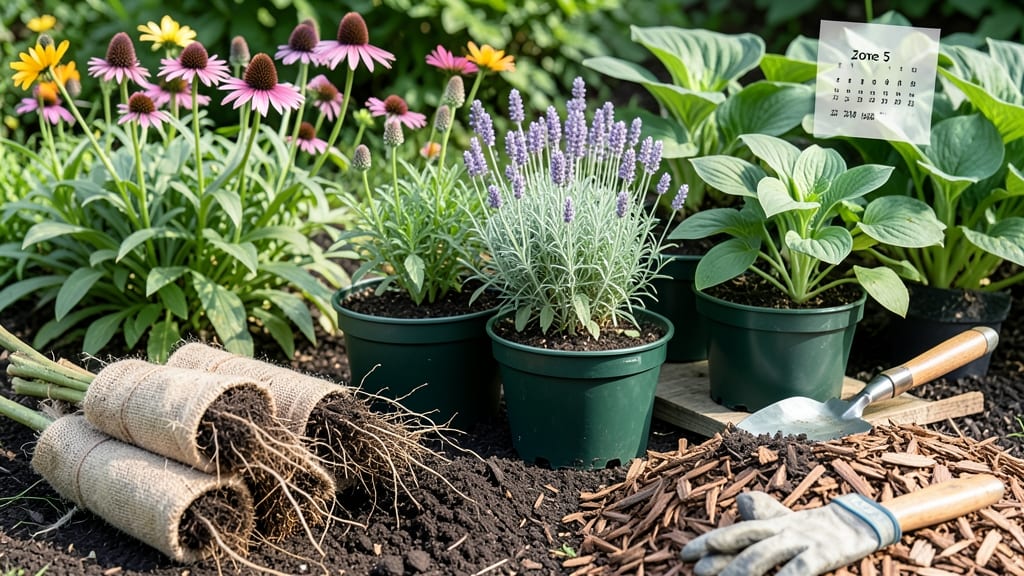
Timing your perennial planting in Zone 5 could make or break your garden's success—especially when those unpredictable frosts roll in just weeks after you've put in your plants.
I've learned the hard way that rushing too early or waiting too long both leave your 🌱 struggling to establish roots before winter sets in.
Here's what I wish I'd known sooner: the ideal windows for planting perennials in Zone 5 aren't just about months—they're about soil temperatures, frost dates, and even your microclimate.
Whether you're working with hardy shrubs or delicate flowers, getting this right means stronger plants that come back year after year without the guesswork.
In this guide, I'll break down exactly when to plant for maximum root growth—both in early spring and early fall—plus how to adjust for different perennial types. You'll also discover the common mistakes that stunt growth (and how to avoid them) so your garden thrives from day one.
Let's get your perennials off to the best possible start—because once they're established, they'll reward you with years of effortless beauty. Ready to plant with confidence?
Best planting months for perennials in Zone 5 based on root growth needs
Timing is everything when planting perennials in Zone 5. The key is understanding how soil temperatures and frost dates interact with root development. In this zone, perennials thrive when planted during two distinct windows: early spring (March-April) and early fall (September-October).
These periods align with soil warming and cooling cycles that encourage strong root establishment before dormancy.
Spring planting should occur 2-4 weeks after your last frost date (typically around April 15 in Zone 5). This timing allows roots to establish before summer heat stress.
Fall planting, however, requires more precision—aim for 4-6 weeks before first frost (around October 15) to give roots time to harden off before winter. The difference between these windows can mean the difference between a perennial that thrives and one that struggles.
Soil temperature is your best indicator of readiness. For spring planting, wait until soil reaches 50°F (10°C) at a depth of 4 inches. In fall, plant when soil temperatures drop below 60°F (15°C) but before they fall below 40°F (4°C).
These thresholds ensure roots have time to grow but aren't exposed to freezing conditions too soon.
Hardy perennials like coneflowers and black-eyed Susans can handle earlier spring planting, even when soil is still cool. Tender varieties such as canna lilies or dahlias must wait until soil is consistently warm.
Fall planting works best for cold-hardy varieties like sedum and heuchera, which establish roots before winter dormancy.
Microclimates within Zone 5 also affect timing. Gardens in northern reaches of the zone (like Minnesota) may need to delay spring planting by 1-2 weeks, while southern areas (like Virginia) can plant earlier. Always check your local USDA frost map and adjust accordingly.
Here’s a quick reference for your planting schedule in Zone 5:
| Planting Window | Soil Temp Threshold | Ideal Months | Best For |
|---|---|---|---|
| Early Spring | 50°F (10°C) at 4" | March-April | Hardy perennials (coneflowers, hostas) |
| Late Spring | 60°F (15°C) at 4" | May | Tender perennials (dahlias, cannas) |
| Early Fall | Below 60°F (15°C) | September-October | Cold-hardy perennials (sedum, heuchera) |
| Late Fall | Above 40°F (4°C) | November (early) | Bare-root plants (roses, shrubs) |
Fall planting offers a second chance for gardeners who missed spring. The cooler temperatures reduce stress on roots, and established plants enter winter with a stronger root system. For example, peony roots planted in fall can bloom more vigorously the following spring.
Just be sure to water deeply after planting to encourage root growth before the ground freezes.
If you’re planting bare-root perennials (like asparagus or rhubarb), fall is the ideal time. These plants need 6-8 weeks to establish roots before winter. Dig a trench, lay roots horizontally, and cover with 2-3 inches of soil. This method mimics natural conditions and prevents root desiccation.
One common mistake is planting too early in spring when soil is still cold. Roots grow slowly below 50°F (10°C), leaving plants vulnerable to rot or frost damage. Always check soil temperature with a soil thermometer before planting.
For fall, avoid planting too late—roots need time to harden off before winter. A general rule is to finish planting by October 1 in most of Zone 5.
Pro tip: Use mulch (2-3 inches of straw or wood chips) after planting to insulate roots and retain moisture. This is especially critical in Zone 5’s variable climate, where sudden temperature swings can stress young plants. Mulch also suppresses weeds, reducing competition for nutrients.
For tropical perennials like ginger or elephant ears, wait until soil is consistently above 65°F (18°C)—usually late May in Zone 5. These plants are frost-sensitive and won’t survive winter outdoors. Plant them in containers for easy winter relocation to a garage or greenhouse.
How to adjust planting timing for different perennial types in Zone 5
Not all perennials thrive with the same planting schedule in Zone 5. Some varieties, like cold-hardy shrubs, can handle early spring planting, while tropical perennials need to wait until after the last frost.
Understanding these differences ensures your garden flourishes year after year. Let’s break down the best times for each type.
For bulbs and tubers, such as daffodils and tulips, the ideal window is September to November. Planting them in early fall allows roots to establish before winter dormancy.
In contrast, herbaceous perennials, like coneflowers and black-eyed Susans, can be planted in early spring (March-April) or early fall (September-October).
Planting Timing for Perennial Types in Zone 5
- Spring Planting: Lets plants establish roots before summer heat
- Fall Planting: Reduces transplant shock with cooler temps
- Cold-Hardy Varieties: Survive early frosts with proper prep
- Early Planting: Risk of frost damage to tender roots
- Late Planting: Limited time for root establishment
- Tropical Perennials: Must wait until after last frost
Best Time: September-October
Why: Roots establish before winter dormancy
Best Time: April-May or September
Why: Avoids transplant shock in extreme heat/cold
Best Time: March-April or September-October
Why: Balances root growth and bloom time
Best Time: After last frost (mid-May)
Why: Frost-sensitive; needs warm soil
When planting shrubs, aim for April-May or September. This timing avoids the stress of extreme summer heat or winter cold. For tropical perennials, like hibiscus or canna lilies, wait until after the last frost (mid-May). These plants won’t tolerate even light frosts, so patience is key.
Adjust your schedule based on microclimates in your garden. South-facing beds warm up faster in spring, while north-facing areas stay cooler longer. Use mulch to protect tender roots if planting early or late in the season.
For cold-hardy perennials, like hostas or asters, you can push the envelope slightly earlier in spring. These varieties often bounce back from light frosts. Always check your local frost dates and adjust your timeline accordingly.
By tailoring your planting schedule to each perennial type, you’ll maximize their potential and enjoy a vibrant garden year after year. Happy gardening! 🌱