
Plants
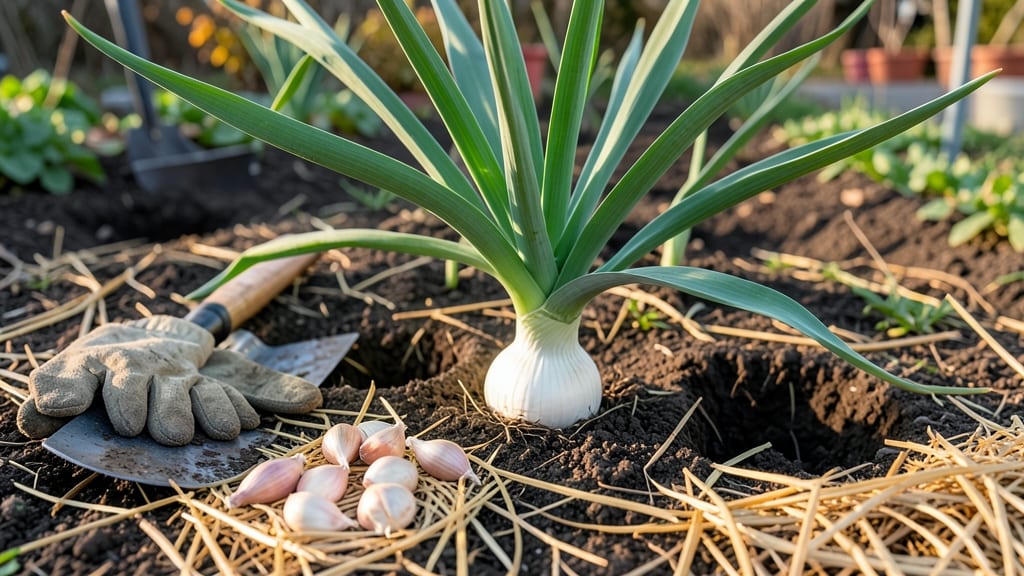
Planting garlic in Zone 9 at the wrong time can turn your 🧄 dreams into disappointment—those plump, flavorful bulbs you crave need the perfect fall window. Unlike cooler climates, Zone 9's mild winters and scorching summers demand precision timing to avoid heat stress or stunted growth.
The best time to plant garlic in Zone 9 is between October and November, giving cloves 6-8 weeks to establish roots before the mild winter sets in. This timing ensures strong bulb formation without the summer heat zapping your crop's energy.
You might wonder why not spring—well, garlic planted in spring often bolts too quickly in Zone 9's heat, producing weak, pungent scapes instead of the robust bulbs you want. Fall planting gives you the edge for maximum yield and flavor.
Let’s break down the exact steps to prepare your soil, select the right cloves, and adjust for your specific Zone 9 microclimate—so you can harvest those prized bulbs come April or May. Ready to grow the best garlic your garden has ever seen?
Best months to plant garlic in Zone 9 for maximum yield
In Zone 9, where winters are mild and summers scorching, timing your garlic planting correctly is critical. Unlike cooler zones, you can't rely on frost to trigger growth—your ideal planting window is all about soil temperatures and avoiding summer heat stress.
The sweet spot? Late October through early November, when daytime temps hover between 50°F and 70°F—perfect for root establishment before winter slows things down.
Zone 9 gardeners often debate whether to plant in September or push to December. Early planting risks summer heat stress, while late planting may not give bulbs enough time to mature before next year's growing season kicks off.
The 6-8 week rule applies here too: plant garlic 6-8 weeks before your average first frost (typically mid-December in Zone 9), but adjust for your specific microclimate.
For maximum bulb size, aim for October planting. This gives roots time to establish before winter rains, while still allowing bulbs to mature by April-May.
If you miss October, November is your second-best window—just be prepared for slightly smaller harvests. December planting is risky unless you're using early-maturing varieties like 'Silverskin' or 'Creole,' which tolerate cooler soils better.
| Planting Window | Soil Temp | Bulb Maturity | Zone 9 Risk |
|---|---|---|---|
| Late September | 60-75°F | Smaller bulbs | Summer heat stress |
| October-November | 50-65°F | Large, firm bulbs | Optimal growth |
| December | 45-55°F | Medium bulbs | Slow growth |
Zone 9's mild winters actually work to your advantage—garlic thrives when temps dip below 70°F but don't freeze. This means you can plant up to 6 weeks later than northern gardeners without risking frost damage.
However, planting after December 1st often results in smaller bulbs because the plant doesn't get enough cool-season growth before summer heat returns.
For hardneck vs. softneck varieties, Zone 9 gardeners should focus on softneck types like 'Artichoke' or 'Silverskin,' which handle warmer winters better. Hardnecks (like 'Rockstar' or 'German Red') can struggle in Zone 9's mild winters and may produce fewer scapes or smaller bulbs.
If you love hardnecks, try high-desert areas where nights get cooler.
Pro tip: Use a soil thermometer to confirm temps are below 75°F before planting. In Southern California or Phoenix, this might mean waiting until November 15th or later.
The goal is to give garlic 120-180 days of cool growth before summer heat arrives—any less, and you'll get underdeveloped bulbs.
Remember that Zone 9's long growing season means you can actually plant two crops if you're strategic. Try a small fall crop (December) for early harvests, then a main spring crop (February) for larger bulbs. Just be prepared to shade plants during peak summer months to prevent bolting.
One common mistake in Zone 9 is assuming spring planting works. While possible with short-day varieties, spring-planted garlic often bolts prematurely due to increasing daylight hours. Stick with fall planting for reliable results, and save spring for green garlic harvests from overwintered cloves.
Finally, consider your elevation. High desert areas (like Flagstaff-adjacent Zone 9) can handle slightly later plantings, while coastal areas (like San Diego) may need to plant earlier to avoid summer humidity. Always check your local frost dates and adjust by 2-3 weeks for safety.
Best months to plant garlic in Zone 9 for maximum yield
In Zone 9, where winters are mild and summers scorching, timing your garlic planting is critical. The ideal window is between mid-October and November, giving cloves 6-8 weeks to root before winter chills.
This aligns with soil temps dropping to 60-65°F, perfect for germination without summer heat stress.
For early varieties, you can push planting to late September—just ensure soil temps stay below 75°F to prevent bolting. Conversely, late varieties can handle planting up to early December, though growth slows in cooler months.
Zone 9’s 270 frost-free days mean you avoid the harsh freezes of northern climates, but heat is your real enemy.
Why fall? Spring planting in Zone 9 often leads to bolting (premature flowering) due to rising temps. Fall-planted garlic develops strong roots over winter, then bulbs in cooler spring months—ideal for Zone 9’s April-May harvest window. Think of it as a race against the heat: plant too late, and your crop won’t mature before summer’s intensity.
Here’s the Zone 9 garlic planting timeline at a glance:
| Stage | Action | Ideal Month | Soil Temp |
|---|---|---|---|
| Planting | Plant cloves 2" deep | October–November | 60–65°F |
| Root Growth | Establish roots over winter | December–February | 50–60°F |
| Bulb Formation | Active growth, avoid heat | March–April | 65–75°F |
| Harvest | Pull when lower leaves brown | April–May | 70–80°F |
Pro tip: Use softneck varieties like Silverskin or Artichoke for Zone 9—they handle heat better than hardnecks. Avoid spring-planted garlic unless you’re growing for green garlic (shoots only), as bulbs will bolt before maturing.
For container growing, plant in October and place pots in partial shade during summer to prevent heat stress. Mulch heavily with straw or leaves to insulate roots from both cold snaps and summer heat.
With the right timing, your Zone 9 garlic can rival any northern-grown crop—bold flavor and all! 🧄