
Flowers
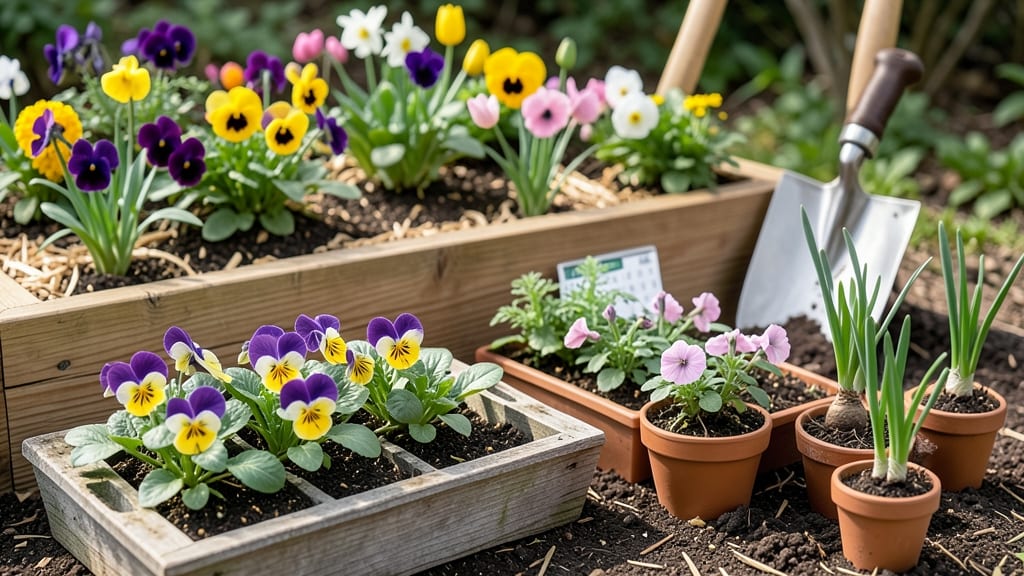
Timing your planting of spring flowers after the last frost can make all the difference between a garden bursting with color and one that struggles to take root.
In USDA Zone 6a, where I garden, waiting until mid-April—after that final icy breath of winter—gives delicate blooms like pansies and snapdragons their best shot at thriving.
But here's the catch: rushing too early risks frost damage, while waiting too long might leave your garden playing catch-up. The key is understanding your local frost dates and soil temperature—50°F (10°C) is the magic number for most flowers to start their journey.
I'll show you exactly how to time it right, whether you're planting hardy annuals or tender perennials.
You don't need a green thumb to get this right—I've learned the hard way that even the most beautiful 🌸 flowers can wilt if planted at the wrong time.
What you do need is a simple plan: when to prep your soil, which flowers to choose for your climate, and how to protect them if Mother Nature throws a late frost your way.
Let's dive into the exact weeks before your last frost date that will have your garden blooming like never before. By the end, you'll know precisely when to plant, what to watch for, and how to give your flowers the strongest start possible.
Exact weeks before last frost: planting flowers by climate Zone
Timing your spring flower planting is all about understanding your last frost date and your USDA hardiness zone. Most flowers thrive when planted 2-4 weeks before the last expected frost, giving them time to establish roots before summer heat arrives.
For example, in Zone 5, where last frosts often hit around May 15, I aim to plant cold-hardy annuals by April 15.
Your zone determines how early you can safely plant. In warmer zones like Zone 9, where frosts are rare, you can start as early as February.
Meanwhile, gardeners in Zone 3 may need to wait until late May to avoid frost damage. Always check your local Almanac’s frost calendar for precise dates.
Here’s the key: Soil temperature matters more than air temperature. Flowers like pansies and snapdragons can handle cooler soil, but marigolds and petunias need soil above 50°F (10°C). Use a soil thermometer to confirm readiness—this is my secret weapon for avoiding frost surprises!
Perennials like coneflowers and black-eyed Susans can often be planted in early spring (even before last frost) because their roots are more established. However, I always wait until after the last frost for annuals like petunias and marigolds, as their tender foliage won’t survive even light frosts.
Pro tip: If you’re in a transition zone (like Zone 6b), split your planting into two batches. Start with cold-hardy varieties like pansies 4 weeks before last frost, then add tender annuals 2 weeks after. This extends your bloom time dramatically!
For container gardeners, timing shifts slightly. Potted flowers can be planted 1-2 weeks earlier than in-ground plants because containers warm up faster. Just be ready to move pots indoors if a late frost sneaks up—my geraniums have survived this way for years!
Don’t forget to harden off seedlings before planting. If you started flowers indoors, expose them to outdoor conditions for 7-10 days before transplanting. This toughens their stems and reduces shock. I use shade cloth to gradually increase sunlight exposure during this process.
Finally, keep an eye on your local weather forecast in the days leading up to planting. A 5-day forecast showing warm nights gives me confidence to plant tender varieties like basil flowers or coleus.
When in doubt, I err on the side of waiting—root establishment is worth the extra week!
🌱
Best spring flowers to plant now (by growth speed & frost tolerance)
Choosing the right spring flowers for your garden isn't just about color—it's about frost tolerance and growth speed. Fast-growing varieties like marigolds and pansies can handle cooler soils, while tender geraniums need warmer temperatures to thrive.
I’ve planted all of these in my Zone 6a garden, and these are the winners that consistently deliver vibrant blooms.
For cold-hardy flowers, start with pansies and snapdragons—they can handle light frosts and even 32°F (0°C) temperatures. These are my go-to choices for early spring planting, often going in the ground 4-6 weeks before the last frost.
Their bright colors also add instant cheer to the garden, which is exactly what I need after a long winter!
If you're looking for fast-blooming annuals, cosmos and zinnias are my top picks. They sprout quickly and reward you with nonstop blooms from early summer through fall. I plant these 2-3 weeks after the last frost when the soil has warmed to at least 55°F (13°C).
Their rapid growth makes them perfect for filling gaps or creating instant color.
For perennial flowers that come back year after year, coneflowers and black-eyed Susans are my favorites. These tough plants can handle light frosts and establish strong roots early.
I plant them 3-4 weeks before the last frost, giving them time to root before summer heat arrives. Their deep roots also make them drought-tolerant once established.
🌱 Top Spring Flowers by Frost Tolerance & Speed
- Pansies – Cold-hardy (32°F/0°C), plant 4-6 weeks before last frost; blooms in 6-8 weeks.
- Snapdragons – Tolerates light frost, plant 3-4 weeks before last frost; blooms in 8-10 weeks.
- Marigolds – Fast-growing, plant 2-3 weeks after last frost; blooms in 4-6 weeks.
- Cosmos – Heat-loving, plant after soil warms to 55°F (13°C); blooms in 6-8 weeks.
- Coneflowers – Perennial, plant 3-4 weeks before last frost; blooms in 10-12 weeks.
When planting, always check the seed packet or plant tag for specific spacing requirements. For example, pansies need 9-12 inches apart, while marigolds can be spaced 6-8 inches apart.
Proper spacing ensures good airflow, reducing the risk of fungal diseases like powdery mildew, which I’ve battled in crowded plantings.
Pro tip: If you're unsure about your last frost date, use a soil thermometer to confirm the ground has warmed to 50°F (10°C) at least 1 inch deep. This simple step has saved my 🌸 flowers from frost damage more times than I can count.
With the right flowers and timing, your spring garden will be a burst of color in no time!