
Plants
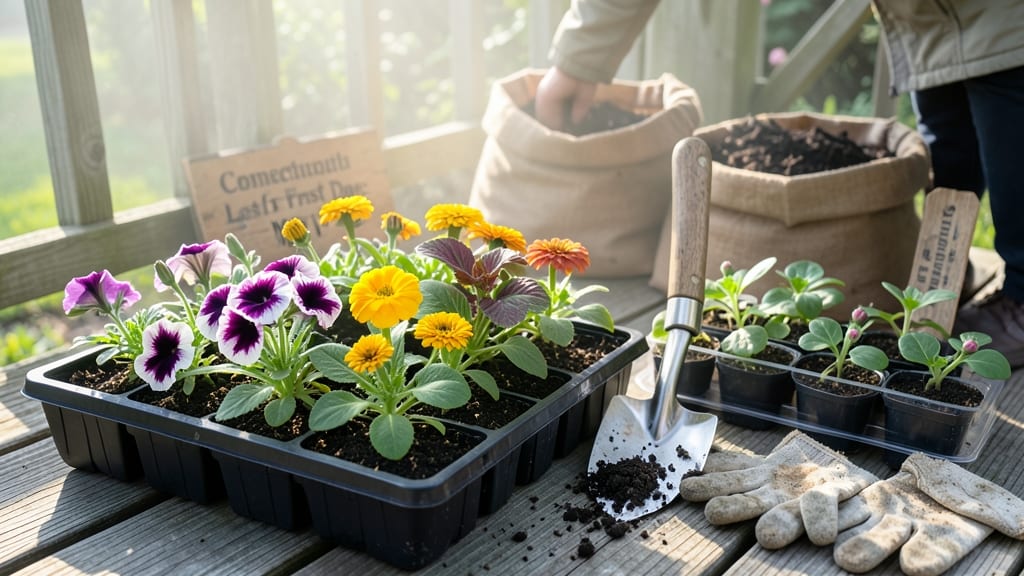
Timing your 🌱 annuals planting in Connecticut can make or break your garden’s summer vibrancy—get it wrong, and you’ll end up with sad, stunted blooms instead of the lush displays you’re dreaming of.
Here’s the secret: Connecticut’s microclimates—from coastal breezes to inland heat—mean your neighbor’s perfect planting window might not work for you. I’ve dug into the data to give you the exact dates that align with CT’s last frost averages, so you can plant with confidence and skip the guesswork.
Whether you’re dreaming of marigolds that pop all summer or crisp lettuce for fall salads, knowing when to get those seeds in the ground is the first step to a garden that steals the show. Let’s break down the best times to plant for your specific corner of the state.
You’ll discover how to adjust for CT’s unpredictable weather, which annuals thrive in your microclimate, and even how to stretch your growing season with simple tricks. Ready to turn your garden into a zero-frost success story?
CT planting zones & microclimate-specific annual planting dates
Connecticut’s diverse geography—from coastal shorelines to inland valleys—means last-frost dates can vary by 3-4 weeks across regions. For example, New Haven typically sees its final frost around April 20, while northern Litchfield County often waits until May 10.
These differences matter because heat-loving annuals like marigolds and zinnias need soil temperatures above 60°F to thrive.
Cool-season annuals, such as pansies and snapdragons, can handle earlier planting, even if frost lingers. My rule of thumb? Start cool-season annuals 4-6 weeks before your area’s last frost date, while warm-season varieties should wait until 2 weeks after the frost has passed.
This timing ensures roots establish before extreme heat arrives.
Here’s how Connecticut’s 5 key microclimates break down for annual planting:
| Microclimate | Last Frost Date (Avg.) | Ideal Planting Window | Best Annuals |
|---|---|---|---|
| Coastal (e.g., Stamford, New London) | April 10–15 | April 20–May 1 (warm-season) | Cosmos, Petunias, Zinnias |
| Inland (e.g., Hartford, New Britain) | April 25–May 1 | May 10–20 (warm-season) | Marigolds, Sunflowers, Vinca |
| Highland (e.g., Torrington, Waterbury) | May 5–10 | May 20–June 1 (warm-season) | Begonias, Impatiens, Lantana |
| Urban Heat Islands (e.g., Bridgeport, New Haven) | April 15–20 | April 25–May 5 (warm-season) | Geraniums, Portulaca, Verbena |
| River Valleys (e.g., Naugatuck, Farmington) | April 20–May 1 | May 5–15 (warm-season) | Alyssum, Lobelia, Nasturtiums |
For cool-season annuals, like lettuce or calendula, plant them as early as March in coastal areas, but wait until mid-April in highland zones. Use row covers to protect seedlings from late frosts, which can still occur into May in inland regions.
Pro tip: Check the NOAA Frost Probability Tool for your specific ZIP code. It shows real-time 10-day frost risk, helping you avoid planting too early. I’ve used it to delay tomato seedlings by 2 weeks in 2022, saving my plants from a late-May frost in Enfield.
If you’re unsure about your microclimate, observe your neighbors’ gardens. For instance, coastal gardens often bloom 2 weeks earlier than those 10 miles inland. Adjust your planting dates accordingly to match local cues.
Fall planting is equally critical. Cool-season annuals like pansies and stock can handle light frosts, so aim to plant them 8–10 weeks before your area’s first frost. In Connecticut, that’s typically late July to early August for most regions.
Remember, soil temperature matters more than air temperature. Use a soil thermometer to confirm it’s above 50°F for cool-season plants or 60°F+ for warm-season varieties before planting.
How to adjust planting dates for CT’s unpredictable weather patterns
Connecticut’s weather can shift faster than a late-May frost warning, leaving gardeners scrambling to adjust planting plans. The key to success? Flexibility with season-extending tools and real-time weather tracking. I’ve learned that even a 2-week delay can mean the difference between thriving zinnias and sad, leggy seedlings.
Start by checking the NOAA’s 7-day frost risk for your specific town—coastal areas like New London average May 15 last-frost dates, while inland spots like Hartford may wait until May 25 or later.
This variability means rigid planting schedules often fail, but with the right adjustments, you can still enjoy summer blooms.
⚠️ WARNING: Common Mistake ⚠️ Planting too early based on calendar dates (not soil temps) is the #1 reason CT gardeners lose their annuals. Even if your neighbor’s marigolds are popping up, cold soil (below 50°F) will stunt roots.
Use a soil thermometer—most annuals need 60°F+ soil to thrive. If temps are still chilly, opt for cold-hardy annuals like pansies or calibrachoas instead.
Row covers are my secret weapon for extending spring planting. A lightweight floating row cover (like Reemay) can push planting dates 2-3 weeks earlier by trapping heat. For example, I’ve successfully planted cosmos seeds under row covers in early April, then removed them once true leaves appeared.
This gives delicate plants a 10-day head start before direct exposure.
Cold frames take season extension to the next level. These mini greenhouses let me plant heat-loving annuals like sunflowers as early as April 15 in Zone 6a (common in CT). Simply place the frame over seedlings or direct-sow into it.
By late May, the frame’s heat retention creates a microclimate 10°F warmer than outside—perfect for jumpstarting growth. Just remember to ventilate daily after 70°F to prevent overheating.
Succession planting is another game-changer for CT’s short growing season. Instead of one big planting, I stagger marigold and zinnia seeds every 2 weeks from May through July. This ensures continuous blooms until first frost (late October).
For example, my first batch goes in May 10, second on May 24, and final on June 7**. The result? Nonstop color with zero gaps.
When all else fails, turn to container gardening. Pots can be moved to protected spots (like against a south-facing wall) when frost threatens. I keep my petunia pots on a rolling dolly so I can wheel them indoors overnight if a 40°F dip is forecasted.
This tactic has saved my $30 annual display more times than I can count.