
How To
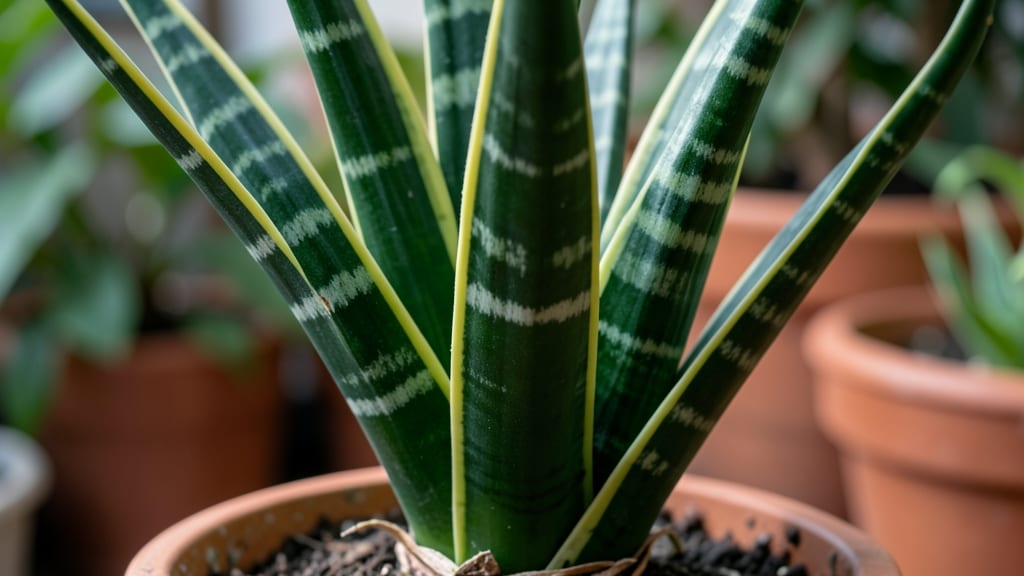
If you’re wondering how tall your snake plant 🌱 will grow, the answer might surprise you—these hardy plants can stretch from a modest 1-foot desk companion to a towering 4-foot statement piece, depending on where you grow them.
Whether you’re cozying up a snake plant in a sunlit corner or letting it thrive outdoors, its height isn’t just about time—it’s about the care you give it.
Indoors, most snake plants mature at a steady pace, reaching 2-3 feet in 3 years with proper light and minimal fuss. But here’s the twist: cram it into a tiny pot, and it’ll stay compact; give it space, and it’ll shoot up faster than you’d expect.
The key? Understanding how light, soil, and even your watering habits play into its vertical ambitions.
Outdoors in USDA Zone 6a, your snake plant could double in size, thanks to more sunlight and room to spread. That means a 4-foot giant isn’t out of the question—though don’t worry, it’s a slow grower, so you’ll have time to adjust.
Want to keep it manageable? I’ll show you how to control its height without sacrificing its iconic charm.
Let’s break down the factors that turn a snake plant from a low-maintenance pet into a lush, leafy giant—and how you can steer its growth in the direction you prefer.


Average snake plant height indoors: what to expect based on variety and care
Snake plants (Sansevieria) are famous for their hardiness, but their height can vary dramatically based on the variety you choose and how you care for it. While some stay compact enough for a desk, others can reach ceiling height indoors with ideal conditions.
Understanding these differences helps you pick the perfect plant for your space.
Most snake plants grow 1 to 4 feet tall indoors, but some varieties like Sansevieria trifasciata (also called Mother-in-Law’s Tongue) can stretch toward 5 feet in optimal conditions. Smaller varieties, such as Sansevieria cylindrica (Cylinder Snake Plant), typically max out around 2 feet.
The key factors influencing height are light exposure, pot size, and watering habits—all of which we’ll break down next.
Light exposure is the #1 factor determining how tall your snake plant grows. In bright indirect light, these plants stretch toward their maximum height, while low-light conditions slow growth significantly.
For example, a Sansevieria trifasciata in a south-facing window may reach 5 feet in 5 years, but the same plant in a north-facing room could stay under 3 feet. If you want a compact plant, place it 1–3 feet from a north-facing window where light is gentle but consistent.
Pot size plays a surprising role in height control. Snake plants grow taller when root-bound, but they’ll stretch aggressively if given too much space. Use a pot that’s only 1–2 inches wider than the plant’s root ball—this forces energy into leaf production rather than root expansion.
Pro tip: Terracotta pots help regulate moisture, which also slows vertical growth by reducing stress on the plant.
Watering habits directly impact height, too. Overwatering causes stunted, weak growth, while underwatering can trigger leggy, stretched leaves as the plant searches for moisture. Aim for deep watering every 2–4 weeks, letting the soil dry completely between sessions.
If your snake plant’s leaves start looking long and thin, it’s likely reaching for light or water—adjust your care routine immediately to correct the issue.
Fertilizer can accelerate height if used correctly. A balanced, low-nitrogen fertilizer (5-5-5) applied twice a year (spring and summer) encourages steady growth without excessive stretching. Avoid high-nitrogen formulas, which promote leafy but leggy growth.
Instead, opt for a diluted dose (half-strength) to keep your snake plant’s height in check while maintaining its health.
Some gardeners swear by pruning to control height, but snake plants don’t need regular trimming. Instead, you can remove the oldest, yellowing leaves at the base to encourage new growth from the center.
This keeps the plant fuller and prevents it from becoming top-heavy. If your snake plant outgrows its space, you can propagate the top leaves and replant them in smaller pots to start fresh.
Temperature also affects growth speed. Snake plants thrive in room temperatures (65–85°F), but they grow faster in warmer conditions (75–85°F). If your home stays cool year-round, expect slower growth (around 6 inches per year).
In contrast, a warm, sunny room can push growth to 1–2 feet annually. Use a heated mat under the pot in winter to maintain consistent warmth if you want faster results.
Finally, don’t forget that age matters. Younger snake plants grow faster than mature ones. A 1-year-old plant might add 12–18 inches in its first year, while a 5-year-old plant may only gain 4–6 inches annually.
If you’re starting with a cutting, be patient—it could take 2–3 years to reach its full height potential.
By adjusting these 4 key factors—light, pot size, watering, and temperature—you can steer your snake plant’s height toward your ideal size. Whether you want a desk-sized companion or a statement indoor tree**, understanding these growth triggers puts you in control.
Average snake plant height indoors: what to expect based on variety and care
Your snake plant’s height indoors hinges on two key factors: its variety and the care you provide.
Most common types like Sansevieria trifasciata (Mother-in-Law’s Tongue) grow 2-3 feet tall indoors over 3-5 years, but some varieties—like the Moonshine or Black Gold—stay shorter at 1-2 feet unless given extra space. The secret? Light exposure and pot size can push growth up or down by 50% or more.
For example, a snake plant in a 10-inch pot with bright, indirect light will grow faster than one crammed into a 6-inch container. Root-bound plants send energy upward, shooting up 6-12 inches per year in ideal conditions.
Meanwhile, a plant in dim light might barely reach 1 foot after years of slow growth. The good news? Snake plants are forgiving—they won’t outgrow your space overnight.
Light is the biggest growth accelerator for snake plants. Place yours near a north-facing window for steady growth, or under LED grow lights for 12-14 hours daily to maximize height.
I’ve seen snake plants under grow lights shoot up 1 foot in 6 months—double the speed of those in dim corners. Just avoid direct south-facing sun, which can scorch leaves and stunt growth.
Pot size matters just as much. A snake plant in a cramped pot will focus energy on leaf production rather than height, staying shorter but bushier. Upgrade to a 12-inch pot when roots circle the drainage holes, and watch it grow 20% taller in a year.
Pro tip: Use a pot with drainage holes to prevent root rot, which can kill growth entirely.
Watering habits also play a sneaky role. Overwatering slows growth by suffocating roots, while underwatering triggers stress that halts upward expansion. Aim for deep waterings every 2-3 weeks in spring/summer and monthly in winter.
Let the soil dry completely between waterings—stick your finger 2 inches deep; if it’s dry, it’s time to water.
Finally, fertilizer can give your snake plant a gentle nudge. A balanced 5-5-5 fertilizer applied twice a year (spring and summer) encourages steady growth without promoting leggy, weak stems. Skip fertilizing in fall/winter when growth naturally slows.
With the right balance of light, space, and care, your snake plant will hit its ideal height—without surprising you with a ceiling-bound surprise.