
How To
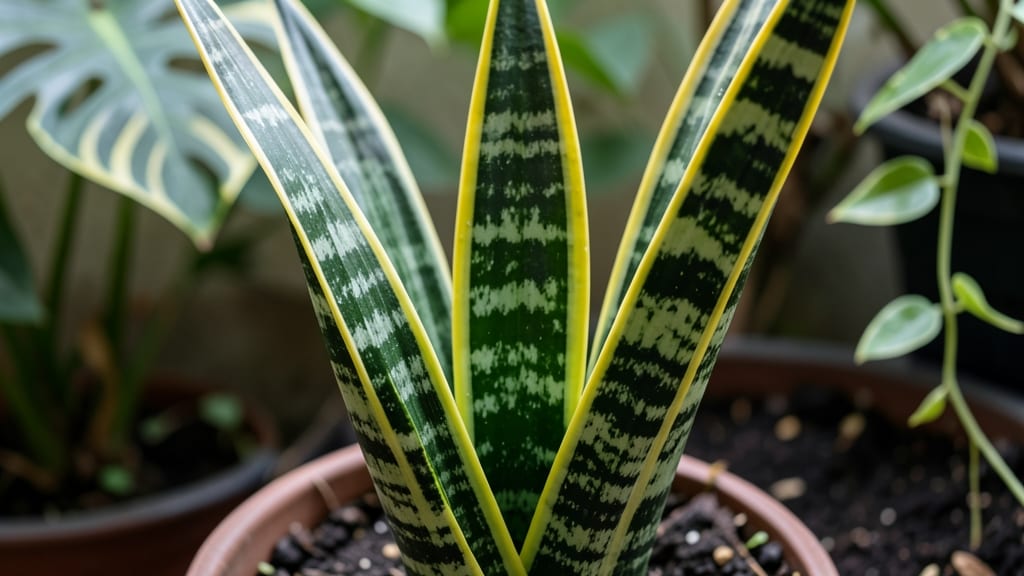
If you’re wondering how tall can a snake plant grow 🌿, you’re not imagining things—these hardy plants can reach heights that surprise even seasoned plant parents. While some varieties stay compact, others stretch toward the ceiling, especially when given the right conditions.
Understanding how tall your snake plant can grow indoors is key to managing its size and keeping it healthy. From the 4-foot standards to towering 6-foot giants, the height depends on factors like light exposure, pot size, and even the specific variety you’re growing.
Whether you’re dealing with a sprawling Sansevieria trifasciata or a more compact type, I’ll show you how to encourage (or control) its growth naturally. You’ll learn the secrets to keeping it at your desired height without sacrificing its striking beauty.
Ready to master the art of snake plant height management? Let’s dive into the factors that influence growth and how to keep your plant thriving—no matter how tall it gets.


Snake plant height limits: how tall can they grow indoors?
If you’re admiring your snake plant’s towering presence, you’re not alone—these architectural plants can reach impressive heights, but their growth depends on the variety, light exposure, and container size.
Under ideal conditions, mature Sansevieria trifasciata (the most common type) can stretch between 4 to 6 feet tall, while others like Sansevieria cylindrica stay shorter at 2 to 3 feet. Let’s explore what influences their height and how to manage it.
The height range of snake plants varies widely based on their genetic makeup. For example, the ‘Futura Superba’ variety can grow up to 6 feet indoors, while the ‘Hahnii’ (also called "bird’s nest") stays compact at just 1 to 2 feet.
Even within the same species, factors like light intensity and root space play critical roles in determining how tall your plant becomes.
One common misconception is that snake plants grow uncontrollably tall in any environment. In reality, they self-regulate their height based on available light. In low-light conditions, they grow slower and stay shorter, while bright, indirect light encourages vertical growth.
This adaptability makes them perfect for both small apartments and large living spaces.
Here’s a quick comparison of how different snake plant varieties stack up in height:
| Variety | Mature Height (Indoors) | Growth Rate | Best For |
|---|---|---|---|
| Sansevieria trifasciata 'Laurentii' | 4-6 ft | Moderate | Large spaces, statement plants |
| Sansevieria trifasciata 'Futura Superba' | 6 ft+ | Fast | Vertical gardens, tall rooms |
| Sansevieria cylindrica | 2-3 ft | Slow | Small spaces, desks |
| Sansevieria 'Hahnii' | 1-2 ft | Very slow | Tabletop displays, terrariums |
| Sansevieria 'Moonshine' | 3-4 ft | Moderate | Bright rooms, modern decor |
Pot size is another critical factor in controlling height. When roots become root-bound (crowded in a small pot), the plant focuses energy on growing taller rather than wider. To prevent this, repot your snake plant every 2-3 years or when you see roots circling the drainage hole.
A pot that’s just 1-2 inches larger in diameter than the current one gives roots room to spread without encouraging excessive height.
Light isn’t just about intensity—it’s also about duration. Snake plants grown under artificial grow lights (12-14 hours daily) can reach their maximum height faster than those in natural light.
If you’re using grow lights, place them 12-18 inches above the plant and adjust the height as it grows to avoid etiolation (weak, stretched stems).
Humidity levels can also influence height, though snake plants are drought-tolerant. In low-humidity environments (like heated homes), they may grow slightly taller and thinner as they stretch toward moisture.
To counteract this, mist the leaves occasionally or place a pebble tray with water nearby. Just avoid soggy soil—overwatering is the real enemy of healthy growth.
If your snake plant is already taller than you’d like, don’t despair! Pruning the top leaves (just above a node) encourages bushier growth and prevents further vertical sprawl. You can also propagate the cuttings to share with friends or grow new plants.
With the right care, you can keep your snake plant at your ideal height while enjoying its striking appearance.
Remember, snake plants are low-maintenance champions—they’ll thrive even if you don’t get everything perfect. Focus on well-draining soil, moderate light, and occasional repotting, and your plant will reward you with years of lush, vertical beauty. 🌿
Snake plant height limits: how tall can they grow indoors?
If you’re curious about how tall can snake plants grow, the answer depends on the variety and growing conditions. Most common types like Sansevieria trifasciata (also called mother-in-law’s tongue) can reach 4 to 6 feet indoors when given enough space and light.
However, some dwarf varieties stay as short as 1 to 2 feet, making them perfect for small spaces.
Outdoor snake plants often grow taller—some even exceed 6 feet—but indoor growth is typically more controlled due to limited light and space. The key factors influencing height are light exposure, pot size, and root constraints.
For example, a snake plant in a small pot will grow upward faster than one in a large container with ample soil.
Light plays a huge role in height regulation. Snake plants grown in bright indirect light tend to grow taller and straighter, while those in low-light conditions may stretch out (a condition called etiolation) to reach for light.
If your plant is leaning, it’s a sign it needs more light or a rotation to grow evenly.
Another factor is root-bound conditions. When roots fill a pot completely, the plant focuses on growing upward rather than outward. Repotting into a slightly larger container can encourage a bushier, more compact growth habit.
However, if you prefer a taller plant, keeping it root-bound will naturally push it to grow taller.
One common misconception is that snake plants grow indefinitely tall. While they can continue growing upward, their growth rate slows significantly after reaching maturity. Pruning older leaves at the base can encourage new, younger growth and prevent the plant from becoming too leggy.
For those with limited ceiling space, consider dwarf varieties like 'Hahnii' or 'Moonshine', which stay under 2 feet tall. If you love the look of a tall snake plant but lack vertical space, try growing it horizontally in a hanging planter or along a shelf.