
How To
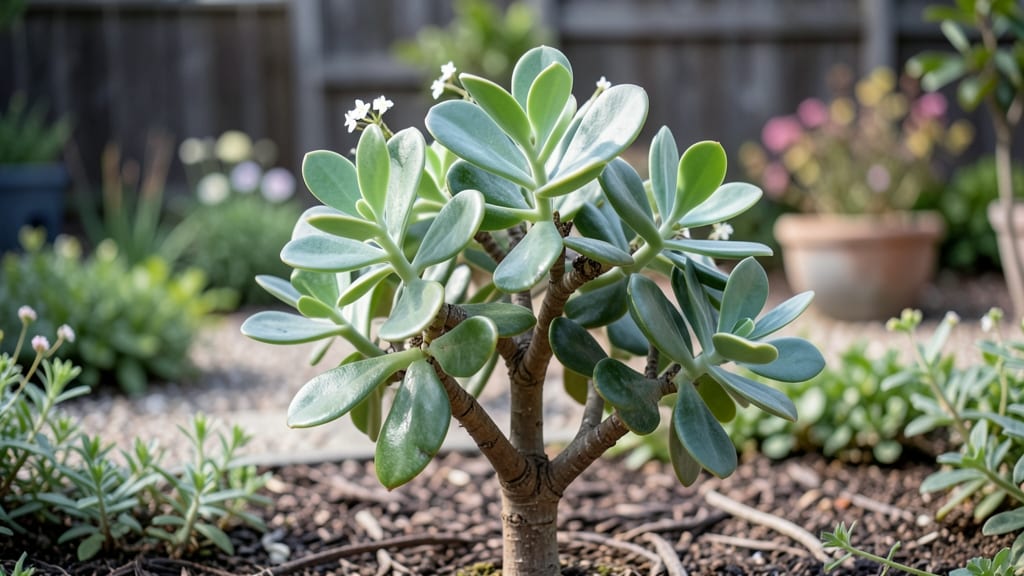
If your Jade Plant needs how much light to thrive—stretching toward the window or sporting crispy brown edges—you’re probably getting the lighting all wrong. These succulents thrive on bright, indirect light, but too much direct sun or too little brightness can send them into a downward spiral.
I’ve seen firsthand how a simple adjustment in placement can transform a struggling Jade Plant into a lush, vibrant centerpiece. Whether you’re dealing with a dim corner or scorching afternoon rays, knowing the perfect balance is the key to keeping your plant happy and healthy year-round.
Let’s break down exactly how much light your Jade Plant needs—from the ideal window spots to seasonal tweaks—and how to spot when it’s getting too much (or too little) of the good stuff.
By the end, you’ll know exactly where to place your plant for thriving growth, whether you’re working with natural sunlight or grow lights. Ready to give your Jade Plant the perfect glow?
Ideal light requirements for jade plants: sunlight vs. artificial light
Jade plants (Crassula ovata) are sun-worshippers at heart but need the right balance—too little light, and they stretch awkwardly; too much, and they crisp like overcooked fries.
The ideal light spectrum for these succulents falls between bright indirect light and gentle morning sun, with 4-6 hours daily being the golden rule. Understanding the lux levels (brightness measurement) and seasonal shifts will help you avoid common pitfalls like etiolation (leggy growth) or sunburn (brown patches).
Outdoors, jade plants thrive in USDA Zones 9-11, where they can bask in full sun with afternoon shade. In cooler climates or indoors, you’ll need to mimic these conditions using south- or east-facing windows or grow lights.
The key is consistency—jade plants are photoperiodic, meaning they rely on steady light exposure to maintain their compact, bushy shape. Let’s break down the exact light requirements and how to measure them like a pro.
| Light Condition | Lux Range | Hours per Day | Best For | Seasonal Adjustments |
|---|---|---|---|---|
| Bright Indirect Light | 10,000–25,000 lux | 4–6 hours | Indoor east/west windows | Year-round ideal |
| Direct Morning Sun | 30,000–50,000 lux | 2–4 hours | Outdoor summer placement | Spring/Fall only |
| Artificial Grow Lights | 15,000–30,000 lux | 12–14 hours | North-facing windows | Winter supplement |
| Low Light (Avoid) | <5,000 lux | N/A | Basements, north windows | Leads to etiolated growth |
Measuring light with a lux meter (or a free app like Light Meter) is the secret weapon for jade plant success. Aim for 15,000–25,000 lux near your plant’s leaves—this mimics the bright indirect light they love.
For reference, a sunny windowsill hits ~30,000 lux, while overcast days drop to ~10,000 lux. If your meter reads below 10,000 lux, it’s time to relocate or supplement with grow lights.
Seasonal adjustments are critical. In summer, jade plants can handle 2–4 hours of direct morning sun but need afternoon shade to avoid sunburn. Move them to a shadier spot or use a sheer curtain if leaves start looking crispy.
Conversely, winter’s weak light (especially in USDA Zones 6-8) means you’ll need to extend light exposure to 12–14 hours using LED grow lights or a south-facing window.
Artificial lights are a game-changer for indoor gardeners. Full-spectrum LED grow lights (like the Mars Hydro TS 600W) emit the blue and red wavelengths jade plants crave for photosynthesis. Position the light 6–12 inches above the plant and run it for 12–14 hours daily.
Avoid incandescent bulbs—they generate too much heat and can cook your jade plant from above. For budget-friendly options, fluorescent T5 lights work well but require closer placement (4–6 inches).
Pro tip: Rotate your jade plant quarter-turn weekly to ensure even light exposure. This prevents lopsided growth and keeps those thick, glossy leaves symmetrical. If you notice leaves stretching toward the light, it’s a cry for more brightness.
Conversely, yellowing or brown edges signal too much direct sun—move it back 1–2 feet immediately. Balance is everything with these low-maintenance succulents.
For outdoor growers, spring and fall are the sweet spots—jade plants can enjoy full sun during these milder seasons. However, in peak summer heat (especially in Zones 9–11
Signs your jade plant isn’t getting enough (or too much) light
Your jade plant may look healthy at first glance, but subtle clues reveal whether it’s begging for more sunlight or shielding from harsh rays. Pale, stretched leaves signal light deficiency, while crispy, brown edges scream sunburn. These visual cues help you adjust placement before permanent damage occurs.
Jade plants thrive in bright indirect light, but they’re adaptable. Too little light causes etiolation—long, leggy stems with sparse leaves—while too much triggers leaf scorch. Recognizing these symptoms early saves your plant from irreversible stress and keeps it lush and compact.
🌱 PROS-CONS BOX: Light Exposure Fixes for Jade Plants
- Pale leaves
- Leggy stems
- Slow growth
- Brown patches
- Crispy edges
- Yellowing leaves
Start by checking your jade plant’s leaves for yellowing or browning. These are classic signs of sunburn, often appearing on leaves facing the window. If you notice pale, thin leaves instead, your plant needs more light to photosynthesize properly.
Another red flag? Stretched stems with large gaps between leaves. This etiolation occurs when your jade plant reaches for light, compromising its structure. Rotate the pot every few weeks to ensure even growth and prevent lopsided development.
For indoor jade plants, test your window’s brightness by holding a white sheet of paper near the plant. If the paper looks dim, supplement with a LED grow light 12 inches away for 6 hours daily. Outdoor plants may need afternoon shade during peak summer sun.
Pro tip: Prune leggy stems to encourage bushier growth, but avoid cutting more than 1/3 of the plant at once. This helps redirect energy while keeping your jade plant compact and healthy.