
How To
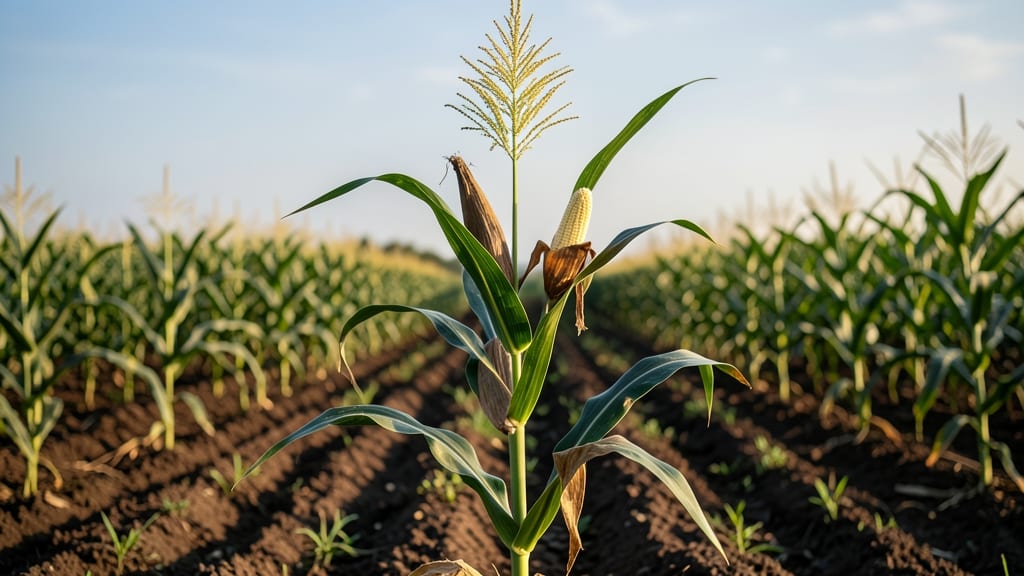
Ideal light requirements for corn plants: bright indirect vs. direct sunlight balance
Corn plants (Zea mays) are sun lovers that thrive when given the right balance of bright indirect light and direct sunlight. Unlike many houseplants, corn needs at least 6-8 hours of direct sun daily to produce healthy stalks and sweet ears.
Without enough light, your corn will grow tall and spindly with poor ear development, while too much harsh sunlight can scorch delicate leaves.
Understanding the light intensity spectrum is key—corn plants prefer full sun conditions but can tolerate some filtered light, especially in hot climates. The challenge is finding that sweet spot where your corn gets enough energy for growth without risking sunburn or heat stress.
Let’s break down the exact light requirements and how to create the perfect growing environment.
| Light Requirement | Daily Exposure | Optimal Conditions | Signs of Stress |
|---|---|---|---|
| Minimum Sunlight | 6 hours | Bright indirect light + 2-3 hours direct sun | Leggy growth, pale leaves |
| Ideal Sunlight | 6-8 hours | Full sun with afternoon shade in hot climates | Healthy green leaves, strong stalks |
| Maximum Tolerance | 10+ hours | Morning sun + dappled shade | Brown leaf tips, wilting |
| Indoor Light | 4-6 hours | South-facing window + grow lights | Slow growth, weak stalks |
For outdoor corn plants, the best light conditions occur in south-facing garden beds where they receive unobstructed sunlight from early morning until late afternoon.
If you're growing corn in containers or raised beds, place them where they get at least 6 hours of direct sun, even if it means moving them throughout the day to follow the sun’s arc.
In hot climates, afternoon sun can be too intense, so provide partial shade between 12 PM and 4 PM using shade cloth or nearby trees. This prevents leaf scorch while still allowing enough light for photosynthesis.
Corn plants in cooler climates can handle full sun all day, but watch for frost damage in early mornings.
If you're growing corn indoors, prioritize a south-facing window or a spot near a grow light. A LED grow light on a timer (12-16 hours/day) can supplement natural light, especially in winter when days are shorter.
Place your corn 12-18 inches below the light to mimic full sun intensity.
Watch for signs of light stress like yellowing leaves (too little light) or brown crispy edges (too much sun). Adjust by moving your plant closer to or farther from the light source, or by adding a sheer curtain to diffuse harsh sunlight.
Corn plants are resilient, but getting the light balance right early on ensures strong stalks and plentiful harvests.
Pro tip: Rotate your corn plant quarter-turns every few days to ensure even light exposure on all sides. This prevents lopsided growth and helps the plant develop uniformly strong stalks.
In outdoor gardens, interplant corn with shade-tolerant companions like beans or squash to create a microclimate that retains moisture and moderates temperature.
Remember, corn plants are heavy feeders and need consistent light to support their rapid growth. If you notice slow growth or small ears, it’s often a sign of insufficient light.
Don’t wait until harvest time—adjust light conditions early to give your corn the best chance to thrive from seedling to maturity.
🌽
How to adjust light conditions for your corn plant: troubleshooting leggy growth and sunburn
If your corn plant is stretching toward the light with weak stems or developing crispy brown patches, you're dealing with classic light-related stress. Leggy growth happens when plants seek more light, while sunburn occurs from too much intensity.
The key is finding that balanced sunlight sweet spot—where your corn gets enough energy without getting fried.
First, let’s diagnose the problem. Leggy corn (long, thin stems) means it’s not getting enough light—likely less than 4 hours of direct sun daily. On the flip side, sunburned leaves (white or brown patches) signal too much harsh sunlight, especially during peak afternoon hours.
Both issues stunt growth and reduce ear development, so fixing them early is critical.
Quick Fix: Rotate your corn plant quarter-turns every 3-4 days to ensure even light exposure and prevent leaning.
To fix leggy growth, move your corn closer to a south-facing window or supplement with a LED grow light (12-16 hours/day). If outdoors, ensure it’s in a spot with dappled shade in peak afternoon hours—think under a sheer curtain or near a lattice that filters sunlight.
For indoor setups, sheer white curtains diffuse harsh rays while still allowing bright, indirect light through.
For sunburned leaves, provide afternoon shade using a lightweight shade cloth (30-50% block) or relocate the plant to a spot with morning sun only. If using grow lights, position them 12-18 inches above the plant and use a timer to mimic natural daylight cycles.
Avoid placing corn near hot windows or skylights, where temperatures can exceed 90°F and scorch leaves.
Watch for these subtle stress signs: yellowing lower leaves (underwatering + light stress), slow growth (too little light), or curled leaf edges (too much heat + sun). Adjust light conditions incrementally—never move a corn plant from shade to full sun overnight, as this can cause irreversible damage.
Instead, acclimate it over 5-7 days by gradually increasing exposure.
Pro tip: Use a plant light meter (or the shadow test—hold up your hand; if the shadow is sharp, light is too intense) to monitor conditions. Corn thrives on bright, consistent light, but it’s all about balance.
With the right adjustments, your plant will rebound with stronger stalks and healthier ears in just a few weeks.