
How To
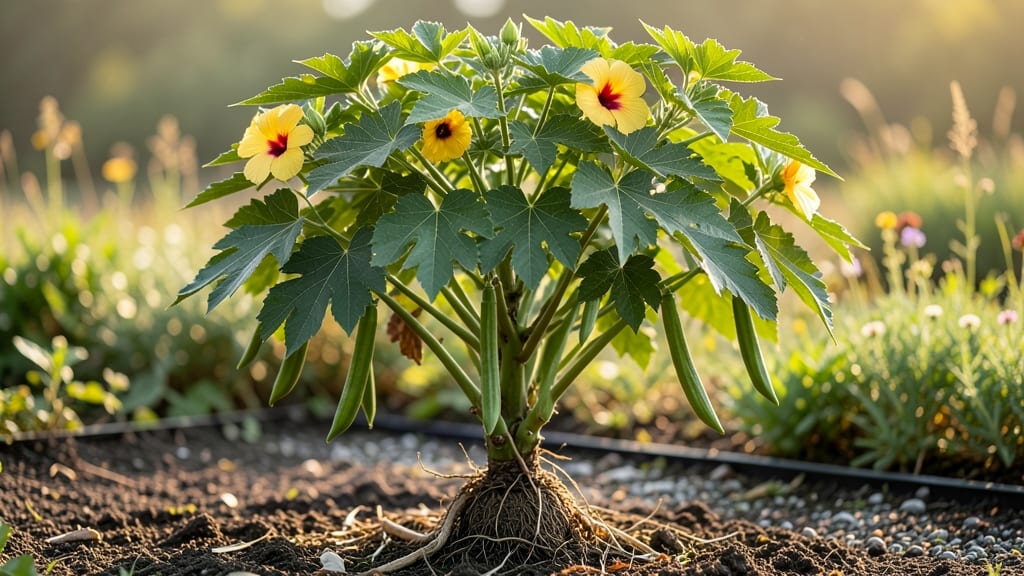
If you're planting okra this season, you might be wondering just how tall your 🌱 okra plants will grow—because some varieties can reach heights that surprise even experienced gardeners.
Understanding okra's growth potential isn't just about space planning; it directly impacts your harvest. The right variety can mean the difference between a compact, easy-to-manage plant and one that needs trellising to keep it off your patio.
Let me break down what to expect so you can choose the perfect fit for your garden.
From the towering 6-10 feet of standard varieties like 'Clemson Spineless' to the more manageable 3-4 feet of dwarf types, okra's height varies dramatically. I'll share how to encourage healthy growth while keeping your plants at the ideal size for your space.
Whether you're working with limited room or dreaming of a lush vertical garden, these insights will help you grow okra that thrives—and stays where you want it.


Okra plant height by variety: how tall do they really grow?
Choosing the right okra variety isn’t just about flavor—it’s about space management. Some varieties stretch toward the sky like sun-seeking giants, while others stay compact enough for container gardening. Knowing these differences helps you plan your garden layout and avoid overcrowding.
For example, my Clemson Spineless plants reached 8 feet tall last summer, while my Burgundy variety stayed under 5 feet. The right choice can mean the difference between a bountiful harvest and a space-cramped mess.
Okra heights vary dramatically by variety, with dwarf types perfect for small gardens or containers and tall varieties dominating larger plots. Even within the same species, genetic differences create a range from 3-foot shrubs to 10-foot towers.
Understanding these differences helps you select plants that fit your space while maximizing yield. For instance, Jumbo Green varieties often exceed 7 feet, while Emerald types typically stay around 5-6 feet. Let’s break down the specifics so you can make an informed choice.
🌱 Comparison Table: Okra Varieties by Height
| Variety | Mature Height Range | Best For | Spacing Needs |
|---|---|---|---|
| Clemson Spineless | 6-10 feet | Large gardens, trellises | 18-24 inches apart |
| Burgundy | 4-6 feet | Small gardens, containers | 12-18 inches apart |
| Emerald | 5-7 feet | Balconies, raised beds | 15-20 inches apart |
| Jumbo Green | 7-10 feet | Large plots, trellises | 20-24 inches apart |
| Dwarf varieties (e.g., 'Tennessee Golden') | 3-4 feet | Containers, small spaces | 10-12 inches apart |
The Clemson Spineless variety is a classic choice for gardeners with space to spare. These plants can easily surpass 8 feet, making them ideal for trellising or growing along fences.
Their spineless pods make them a favorite, but their height means you’ll need to allocate ample row spacing—at least 2 feet between plants—to prevent shading and improve airflow. If you’re growing them in rows, plan for 3 feet between rows to ensure proper light exposure for all plants.
For those with limited space, Burgundy okra is a fantastic option. This variety typically reaches 4-6 feet, making it perfect for small gardens or even large containers. Its compact growth habit means you can plant it 12-18 inches apart, saving valuable real estate.
I’ve grown Burgundy in 5-gallon pots on my patio, and with proper care, they still produced plenty of pods. The trade-off? You might sacrifice a few extra inches of height for easier access and maintenance.
If you’re torn between height and productivity, consider the Emerald variety. It strikes a balance, usually growing 5-7 feet tall while remaining more manageable than Clemson Spineless. This makes it a great choice for raised beds or balcony gardens where you want a moderate height without the bulk.
Space them 15-20 inches apart to give them room to spread while keeping the garden tidy. My experience shows that Emerald varieties also tend to be more disease-resistant than taller types, which is a bonus for busy gardeners.
On the taller end of the spectrum, Jumbo Green okra can reach up to 10 feet, making it one of the tallest varieties available. This makes it a great candidate for trellising, especially if you’re short on ground space.
By training these plants vertically, you can maximize your harvest area and keep the garden looking neat. Just be prepared to invest in sturdy supports, as these plants can become top-heavy.
I use wooden stakes and twine for my Jumbo Green plants, and it’s made a world of difference in keeping them upright and productive.
Don’t overlook dwarf okra varieties like Tennessee Golden. These plants typically stay under 4 feet tall, making them perfect for containers or small urban gardens. Their compact size means you can grow them 10-12 inches apart, which is ideal if you’re working with limited space.
I’ve successfully grown dwarf okra in hanging baskets and window boxes, proving that you don’t need a large garden to enjoy a bountiful harvest. Just be mindful that these varieties may produce fewer pods than their taller counterparts, but the convenience often makes up for it.
When planning your okra garden, always consider local climate conditions. In warmer regions, okra tends to grow taller and faster, while cooler climates may result in slightly shorter plants. For example, my Clemson Spineless
Okra growth stages: when and how fast do they reach full height?
Okra plants don’t grow overnight—they follow a predictable growth timeline that directly impacts their final height. From seed to mature plant, understanding these stages helps you anticipate how tall your okra will grow and when to expect key milestones like flowering and pod production.
The first 2-3 weeks after planting focus on root and stem development. Seedlings may only reach 1-2 inches tall initially, but this foundational growth sets the stage for rapid vertical expansion.
During this phase, okra plants are most vulnerable to transplant shock or poor soil conditions, which can stunt future height.
Here’s how okra plants typically grow in height during their first 8-10 weeks:
| Stage | Height Range | Key Growth Notes |
|---|---|---|
| Seedling (Weeks 1-2) | 1-2 inches | Focus on root development; avoid overwatering. |
| Early Vegetative (Weeks 3-4) | 1-2 feet | Rapid stem elongation; needs full sun and consistent moisture. |
| Flowering (Weeks 5-6) | 3-4 feet | Height slows slightly; flowers appear; prune lower leaves for airflow. |
| Pod Production (Weeks 7-10) | 5-10 feet | Final height achieved; harvest pods at 2-3 inches for best flavor. |
Environmental factors like temperature, sunlight, and soil quality can accelerate or slow this timeline. For example, okra grows 20-30% faster in USDA Zones 8-10 with warm nights, while cooler climates may see slower vertical growth until temperatures rise above 70°F (21°C).
Pruning plays a surprising role in height management. Removing side shoots early encourages upward growth, while letting the plant self-branch can reduce final height by 1-2 feet.
I’ve found that dwarf varieties like Emerald reach their mature height in just 60 days, while standard types like Clemson Spineless may take 75-90 days.
Monitor your okra’s growth weekly, especially during the flowering stage, when height increases most dramatically. Adjust care—like staking or trellising—to support their expanding frames without sacrificing pod production.