
How To
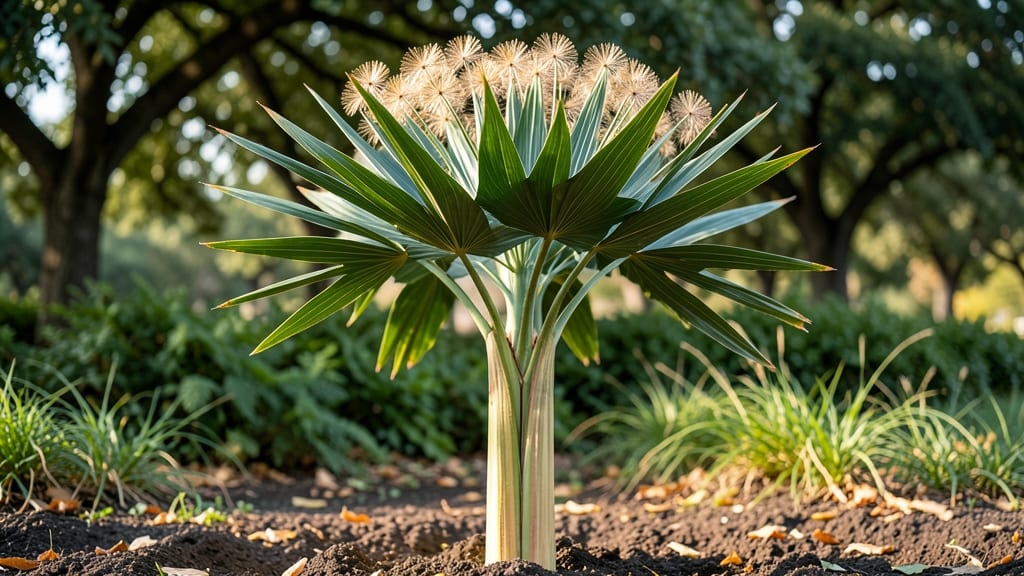
If you're wondering how tall your papyrus plant 🌿 could grow, the answer depends on whether you're cultivating it outdoors or keeping it indoors—because this ancient plant can reach 15 feet in the wild, but container growth is a whole different story.
Outdoor papyrus thrives in warm climates like USDA Zone 6 and beyond, shooting up dramatically when planted in moist, sun-drenched soil. The key to its towering height lies in its natural habitat along riverbanks, where it can spread freely.
But if you're dreaming of adding one to your patio or balcony, indoor growth will be much more manageable.
I’ve seen papyrus plants in containers stay between 3 to 5 feet with proper care, making them perfect for smaller spaces. The trick is choosing the right pot size and keeping it consistently moist.
Whether you're aiming for a dramatic focal point or a compact accent, understanding these growth habits will help you plan your garden layout.
Ready to transform your outdoor space or indoor oasis? Let’s break down the exact conditions that influence papyrus height and how to control its growth—no matter where you plant it.


Papyrus plant height limits: outdoor growth potential explained
Imagine a plant that reaches heights rivaling ancient Egyptian monuments—this is the natural growth potential of the papyrus plant (Cyperus papyrus). In its native wetland habitats along the Nile River, these towering grasses can grow 10 to 15 feet tall, creating dramatic vertical accents in landscapes.
Their height isn't just about aesthetics; it's a survival adaptation to thrive in sun-drenched, marshy conditions where they dominate the skyline.
For gardeners in USDA Zones 6-11, papyrus offers a unique opportunity to bring a piece of history to your outdoor space. Unlike many ornamental grasses, papyrus grows in clumping habits, forming dense, umbrella-like canopies that provide both shade and texture.
Whether you're designing a water garden or a bold statement piece near a pond, understanding its growth potential is key to planning your layout effectively.
| Growth Factor | Outdoor Height Range | Key Conditions |
|---|---|---|
| Native Habitat | 10–15 ft | Full sun, wet soil |
| USDA Zones 6-9 | 8–12 ft | 6+ hours sun, moist soil |
| Zone 10+ (Tropical) | 12–15 ft | Full sun, consistent moisture |
| First Year Growth | 2–4 ft | Slow establishment |
| Mature Height (3+ Years) | 10–15 ft | Full sun, rich soil |
One of the most exciting aspects of growing papyrus outdoors is how climate and care influence its height. In warmer climates like Florida or California, papyrus can reach its full 15-foot potential within 3–4 years, especially when planted in shallow water or boggy soil.
The plant’s natural growth habit involves sending up thick, hollow stems that support its distinctive umbrella-like foliage, making it a striking focal point in pond edges or water features.
If you're in a cooler climate like Zone 6 or 7, expect slightly slower growth—typically 8–12 feet at maturity. The key is to mimic its native conditions by providing consistent moisture and full sun exposure.
Without these, papyrus may grow 2–3 feet shorter, losing some of its dramatic effect. Think of it as a sun-worshipping plant that rewards gardeners who give it the right conditions with vertical grandeur.
For gardeners in drier regions, papyrus can still thrive but may require supplemental watering during drought periods. The plant’s roots spread aggressively, so planting near a water source or in well-draining, moist soil is essential.
Over time, its clumping growth creates a natural privacy screen or windbreak, making it a versatile choice for larger properties.
One common misconception is that papyrus grows invasively like bamboo. While it does spread via rhizomes, its growth can be managed with container planting or by installing root barriers.
In ideal conditions, a single papyrus plant can form a 6-foot-wide clump within a few years, so plan your spacing accordingly. For smaller gardens, consider dwarf varieties like Cyperus alternifolius, which max out at 3–5 feet while offering similar texture.
To encourage maximum height, focus on these three care essentials: full sun exposure, consistent moisture, and rich, organic soil. Fertilize lightly in spring and summer with a balanced 5-10-10 fertilizer to support vigorous growth.
Avoid over-fertilizing, as this can lead to weak stems that struggle to support the plant’s weight. Prune back dead or damaged foliage in early spring to encourage new growth and maintain a tidy appearance.
For those with limited space, papyrus can still shine as a container plant, though its height will be more controlled—typically 3–5 feet in large pots. Use a 20-gallon container with drainage holes and keep the soil consistently moist.
In containers, papyrus grows more slowly but still delivers the dramatic foliage that makes it so popular. Just be prepared for frequent watering, as pots dry out faster than garden beds.
If you're planning a papyrus garden, consider pairing it with water-loving companions like cattails or iris to create a natural wetlandscape. The contrast between papyrus’s tall, airy stems and shorter perennials adds depth and visual interest.
For a low-maintenance look, let it grow wild near a pond, where its arching stems will sway gracefully in the breeze.
Remember, papyrus isn’t just a tall plant—it’s a living piece of history. Ancient Egyptians used its stems to make paper, and today, it continues to captivate with its ancient charm and modern versatility.
Whether you’re aiming for a 15-foot giant or a compact container specimen, this plant delivers drama, texture, and a touch of the exotic to any outdoor space. 🌿
How tall can papyrus grow indoors? Container size and care tips
Growing papyrus indoors means trading its wild, 15-foot riverbank stature for a more manageable 3–5 foot height—with the right container and care. The key difference? Root restriction. In pots, papyrus focuses energy on foliage density rather than vertical growth, but you’ll still need to monitor its spread to prevent overcrowding.
For indoor papyrus, container size is everything. A 12–18 inch diameter pot gives roots enough room to establish without shooting upward. Smaller pots (under 10 inches) will stunt growth entirely, while oversized containers encourage rapid height spikes.
I’ve found that terracotta pots work best—they wick away excess moisture, preventing root rot in this moisture-loving plant.
- 🌱 Pot Size: 12–18" diameter for controlled 3–5 ft height
- 💧 Watering: Keep soil consistently moist (never soggy)
- ☀️ Light Needs: Place near south-facing windows for 6+ hours of sun
- ✂️ Pruning: Trim brown fronds to encourage new growth
- 🌿 Fertilizer: Use balanced 5-10-10 every 4–6 weeks in spring/summer
Light placement is non-negotiable for indoor papyrus. Without 6+ hours of direct sunlight, stems will elongate dramatically (a condition called etiolation) in search of light, making your plant look leggy and weak.
I’ve seen indoor papyrus stretch to 6 feet when placed in dim corners—so position it near a south-facing window or under grow lights for 12+ hours daily.
Pruning isn’t just about aesthetics—it’s essential for indoor papyrus health. When fronds turn brown or yellow, snip them at the base to redirect energy to fresh growth. I prune mine every 2–3 months during active growth (spring/summer) and avoid heavy cuts in winter when the plant rests.
Never remove more than 30% of foliage at once, or you’ll shock the plant.
Overwintering indoor papyrus requires adjustments. Reduce watering to every 7–10 days and move it away from cold drafts. If your home drops below 50°F, expect growth to stall entirely.
I’ve kept mine thriving in 60–75°F conditions by placing a small space heater nearby during winter months—just avoid direct heat sources.
With these adjustments, your indoor papyrus will stay lush and under 5 feet while adding a touch of ancient Egypt to your space. The trade-off? You’ll need to prune regularly and monitor moisture levels closely—but the dramatic foliage is worth it.
Ready to try it? Start with a 15-inch pot and full-spectrum lighting for best results!