
Plants
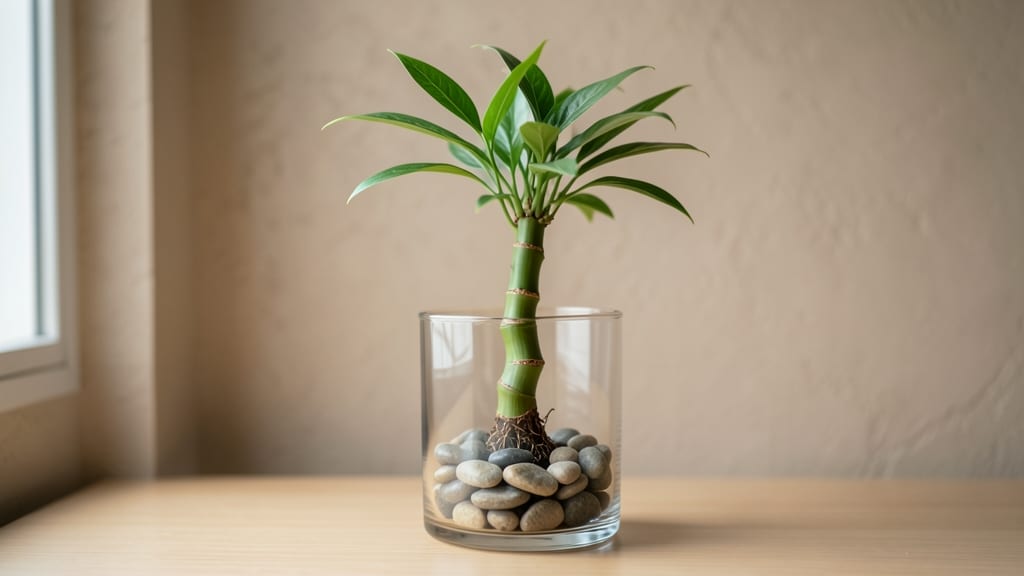
If you’ve ever admired a towering Lucky Bamboo 🌿 plant and wondered just how tall it can grow, the answer might surprise you—especially if you’re working with limited indoor space.
This striking plant, known for its sleek stems and lush leaves, can reach heights of 4 to 6 feet indoors with the right care, though many varieties stay shorter if managed properly.
The key to unlocking its full height potential lies in understanding its natural growth habits and how environmental factors like light, water, and container size play a role.
Whether you’re aiming for a floor-filling statement piece or a compact desk companion, knowing these secrets will help you steer its growth in the direction you want.
But here’s the thing: Lucky Bamboo doesn’t grow like your average houseplant. It thrives in water or soil, responds to pruning in unexpected ways, and can even slow down or speed up its growth depending on your care routine.
I’ll break down exactly how to encourage—or control—its height so you can get the results you’re after without any guesswork.
Ready to turn your Lucky Bamboo into the perfect height for your space? Let’s dive into the science behind its growth and the simple tweaks that make all the difference.


Lucky bamboo height limits: expected growth ranges by variety and conditions
Lucky bamboo (Dracaena sanderiana) is famous for its versatile height potential, ranging from compact 1-foot tabletop plants to towering 6-foot indoor giants. The variety you choose and your care routine determine where your plant falls in this range.
For example, the solid-stem variety typically grows 3–5 feet indoors, while braided or curly types may reach 4–6 feet with ideal conditions.
Understanding these growth ranges helps you set realistic expectations. A 1-year-old lucky bamboo usually measures 1–3 feet, while a 3-year-old plant can easily surpass 5 feet if given bright indirect light and consistent care.
The key factor? Light exposure—plants near east or west windows grow faster than those in dim corners.
Here’s how different varieties compare in height under standard indoor care:
Notice how braided lucky bamboo grows the fastest due to its natural structure, while miniature varieties stay compact even with optimal care. If you’re aiming for a tall, dramatic look, prioritize bright indirect light and a larger container (at least 12 inches deep).
For a smaller, bushier plant, limit light to low-medium and prune regularly.
Container size also plays a role—root-bound plants grow taller as they stretch for space. If your lucky bamboo is outgrowing its pot, repot into a container 2–3 inches wider to encourage wider growth instead of vertical spikes.
Pro tip: Use a clear glass vase to monitor root health—healthy roots grow outward, not just downward.
Humidity levels affect height too. Lucky bamboo thrives in 40–60% humidity, but dry indoor air (common in winter) can stunt growth. Place a humidifier nearby or set the pot on a pebble tray filled with water to boost moisture.
I’ve seen plants in dry offices grow only 1–2 feet tall in a year, while those in humid bathrooms or kitchens reach 4–5 feet in the same time.
Water quality matters more than you’d think. Lucky bamboo is sensitive to chlorine and fluoride in tap water, which can cause brown tips and slow growth. Always use distilled, rainwater, or filtered water to keep your plant thriving.
I once had a 5-foot lucky bamboo shrink back to 3 feet after switching to tap water—swapping back to filtered water revived it within months.
Seasonal growth patterns also influence height. In spring and summer, lucky bamboo grows 2–3 times faster than in fall or winter. During these peak months, I fertilize mine monthly with a balanced 10-10-10 liquid fertilizer to support rapid growth.
In winter, growth slows dramatically, so I reduce watering and skip fertilizer entirely.
For those wondering about outdoor growth, lucky bamboo can reach 6–8 feet outside in tropical climates (USDA zones 10–12), but it’s not cold-hardy.
If you’re curious about pushing your indoor plant’s limits, try placing it near a south-facing window (with sheer curtains to filter light) and watch it grow up to 1 foot per year under these conditions.
Remember, lucky bamboo’s height isn’t just about genetics—it’s about creating the right environment. With the right care, you can grow a 6-foot indoor statement piece or keep it compact for a small apartment shelf. The choice is yours! 🌿
Lucky bamboo height limits: expected growth ranges by variety and conditions
Lucky Bamboo’s height can vary dramatically based on its variety and growing conditions. In ideal settings, this plant can reach 4 to 6 feet tall indoors, but most homeowners see heights between 1 to 3 feet due to space constraints or intentional pruning.
The key factors influencing height are light exposure, water quality, and container size—all of which I’ll break down below.
For example, braided Lucky Bamboo often grows slower than its solid-stem counterparts because the intricate weaving requires more energy. Meanwhile, curly or spiral varieties may grow taller but with thinner stems if not supported properly. Understanding these differences helps you set realistic expectations for your plant’s growth trajectory.
| Variety | Height Range (Indoors) | Growth Speed | Key Care Tip |
|---|---|---|---|
| Solid Stem | 2–5 ft | Moderate | Needs bright indirect light |
| Braided | 1–3 ft | Slower | Use wider containers for stability |
| Curly/Spiral | 3–6 ft | Fast | Prune regularly to maintain shape |
Light plays a critical role in determining how tall your Lucky Bamboo grows. Placing it near an east or west-facing window provides the ideal balance of bright indirect light without risking leaf burn.
In low-light conditions, growth slows significantly, often resulting in stunted plants that max out at 1 to 2 feet. Conversely, too much direct sunlight can cause leggy growth, where the plant stretches toward the light but develops weak stems.
Water quality also impacts height. Lucky Bamboo absorbs nutrients through its stems, so using distilled or filtered water prevents mineral buildup that can stunt growth. Tap water with high chlorine or fluoride levels often leads to brown tips and slower growth.
If you notice your plant growing slower than expected, switch to rainwater or dechlorinated water immediately.
Container size matters too. Root-bound plants grow taller as they compete for space, but this can lead to weak stems and fewer leaves. For optimal height control, repot your Lucky Bamboo every 12 to 18 months into a container just 1–2 inches larger than its current one.
This encourages bushier growth while maintaining a manageable height.
If you’re aiming for a taller Lucky Bamboo, focus on providing consistent bright indirect light, using a balanced liquid fertilizer (like 10-10-10) during spring and summer, and avoiding overcrowded containers. For a shorter, bushier plant, prune the top growth and place it in a slightly dimmer spot.
The choice is yours—whether you want a floor-filling statement piece or a compact desk companion!