
Plants
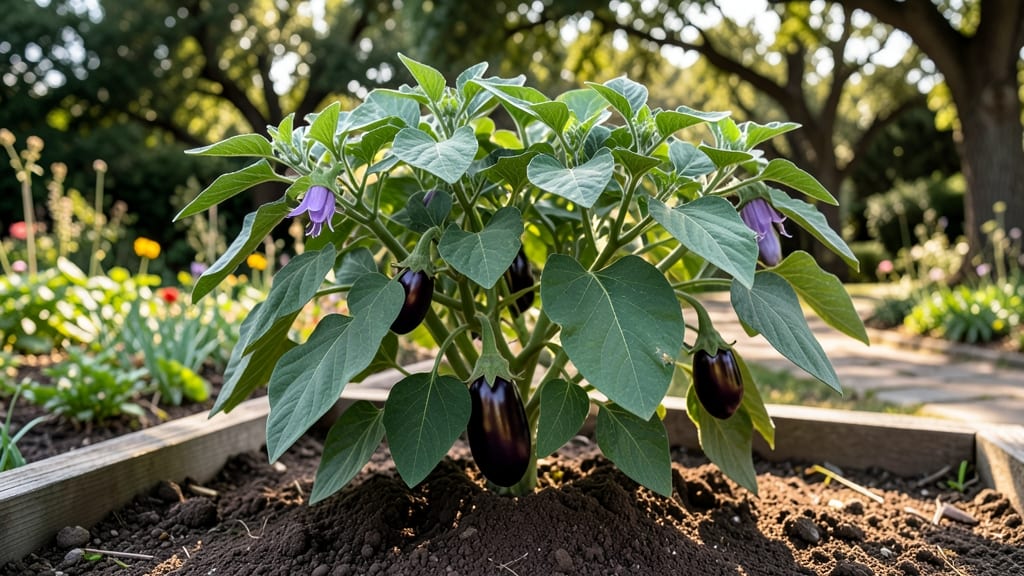
If you’ve ever wondered how tall your 🍆 eggplant plants will grow, the answer depends more on the variety than you might think. Some varieties stay compact enough for containers, while others can reach nearly 4 feet tall—making them a striking (and space-hogging) addition to your garden.
For most home gardeners in USDA Zone 6a, standard eggplant varieties typically grow between 2 and 3 feet, but dwarf types can stay as short as 1 foot. This height difference isn’t just about aesthetics—it directly impacts how you’ll space, support, and even harvest your plants.
Whether you’re working with a small balcony garden or a sprawling backyard, understanding these height variations helps you choose the right spot and growing methods. From trellising tall varieties to selecting compact types for pots, the key is matching your plant’s potential to your space and goals.
Ready to optimize your eggplant setup? I’ll break down the best varieties for your garden size, plus tips to control height naturally—so you can enjoy a bountiful harvest without the guesswork.


Eggplant plant height by variety: standard, compact, and giant types explained
Choosing the right eggplant variety isn't just about fruit shape or color—it's also about understanding how tall your plants will grow. Standard varieties can reach heights of 3 to 4 feet, while compact types stay under 2 feet, making them perfect for containers. Giant varieties can even exceed 5 feet in ideal conditions.
Knowing these differences helps you plan spacing, trellising, and even container sizes for your garden layout.
Eggplant height varies dramatically between varieties, which directly impacts your garden's design. Dwarf varieties like 'Fairy Tale' stay under 18 inches, while standard types such as 'Black Beauty' reach 36 inches. Giant varieties like 'Big Zebra' can grow over 5 feet tall, requiring more space and support.
This variety-specific growth pattern affects everything from harvest accessibility to plant spacing.
Proper spacing is crucial for healthy growth. Compact varieties need 12-18 inches between plants, while standard types require 24-30 inches. Giant varieties may need 36 inches or more to prevent overcrowding.
Crowded plants compete for nutrients and sunlight, leading to stunted growth and reduced yields. Always check the variety's recommended spacing when planning your garden.
Here's a visual comparison of eggplant heights by variety to help you visualize growth differences:
If you're growing eggplants in containers, dwarf and compact varieties are your best bet. A 5-gallon pot can comfortably hold a 12-inch-tall variety, while 15-gallon containers work well for 24-inch-tall plants.
For standard varieties, use 20-gallon or larger containers to accommodate their root systems and prevent stunted growth. Always ensure containers have drainage holes to avoid root rot.
For gardeners with limited space, bush varieties like 'Patio Baby' or 'Fairy Tale' are excellent choices. These 12-18 inch plants thrive in containers and small garden plots. Their compact growth habit also makes them easier to harvest without bending over.
If you're growing in a traditional garden bed, standard varieties like 'Black Beauty' or 'Ichiban' will give you that classic 3-foot height with abundant fruit production.
Giant varieties like 'Big Zebra' or 'Mammoth' can add drama to your garden but require careful planning. These 4-5 foot plants need sturdy trellises or cages to support their weight and prevent sprawling.
Without proper support, they may flop over, making fruit harvesting difficult. If you love the idea of giant eggplants but have limited space, consider growing them vertically along a fence or trellis.
Height isn't the only factor to consider—fruit size also varies by variety. Compact plants may produce smaller fruits, while taller varieties often yield larger eggplants. For example, 'Fairy Tale' produces 4-6 inch fruits, while 'Black Beauty' yields 8-10 inch eggplants.
If you're growing for a family, standard or giant varieties will give you more fruit per plant, but they require more space.
When planning your eggplant garden, think about both height and spread. Some varieties, like 'Rosa Bianca,' have a sprawling growth habit and may need extra space even if they're not extremely tall.
Always check the variety's description for both height and spread measurements. This ensures you allocate enough space for healthy growth and easy access for harvesting and maintenance.
For urban gardeners or those with small yards, container gardening is a great solution. Choose dwarf or compact varieties and place containers near your kitchen for easy access. You can even grow two or three plants in a large container if they're the same variety.
Just make sure to monitor soil moisture closely, as containers dry out faster than garden beds.
No matter which varieties you choose, proper care will help your eggplants reach their full height potential. Consistent watering, balanced fertilization, and adequate sunlight are key to healthy growth.
With the right variety and care, you'll enjoy a bountiful harvest of eggplants that fit perfectly in your garden space. 🌱
Factors that influence eggplant height: soil, sunlight, and pruning tips
Eggplant height varies dramatically based on growing conditions, and understanding these factors helps you control whether your plants reach 4 feet or stay compact at 2 feet. The right combination of soil nutrients, sunlight exposure, and pruning techniques can transform your garden layout and harvest potential.
For example, my Black Beauty plants grew 30% taller after adding compost-rich soil and extending their sunlight to 8 hours daily.
Soil quality is the foundation of eggplant growth. Well-draining, nutrient-rich soil with a pH between 6.0-6.8 promotes strong root development, which directly impacts height. I noticed my plants reached maximum height faster when I amended clay soil with aged compost and a balanced fertilizer (5-10-10).
Without these adjustments, growth stalled at 2 feet despite full sun exposure.
Sunlight is non-negotiable for eggplant height. These plants thrive in full sun (6-8+ hours daily), and I’ve seen 2-foot-tall plants double in height when moved to a south-facing location.
My container-grown eggplants only reached 18 inches until I placed them on a sunny patio with reflective surfaces. Shade-tolerant varieties exist, but they’ll always be shorter and less productive.
Pruning is the most effective way to control eggplant height. By removing side shoots (suckers) that form in the leaf axils, you redirect energy to main stem growth or fruit production.
I prune my plants to 3 feet by pinching off shoots below the first flower cluster, which also improves air circulation and reduces disease risk. For taller varieties, I use bamboo stakes to support stems without restricting growth.
Overcrowding stunts height by competing for nutrients. When I planted eggplants 12 inches apart instead of the recommended 18-24 inches, their growth slowed to 2 feet despite ideal sunlight.
Spacing also affects fruit quality—plants with more air flow develop larger, glossier eggplants. In containers, use 5-gallon pots minimum to prevent root-bound stress, which limits vertical growth.
For maximum height, combine rich soil, full sun, and minimal pruning. My unpruned 'Rosa Bianca' reached 3.5 feet with daily watering and weekly feeding.
To reduce height, prune aggressively and plant in smaller containers. Remember, height isn’t everything—focus on fruit production and plant health for the best harvest. 🌿