
Plants
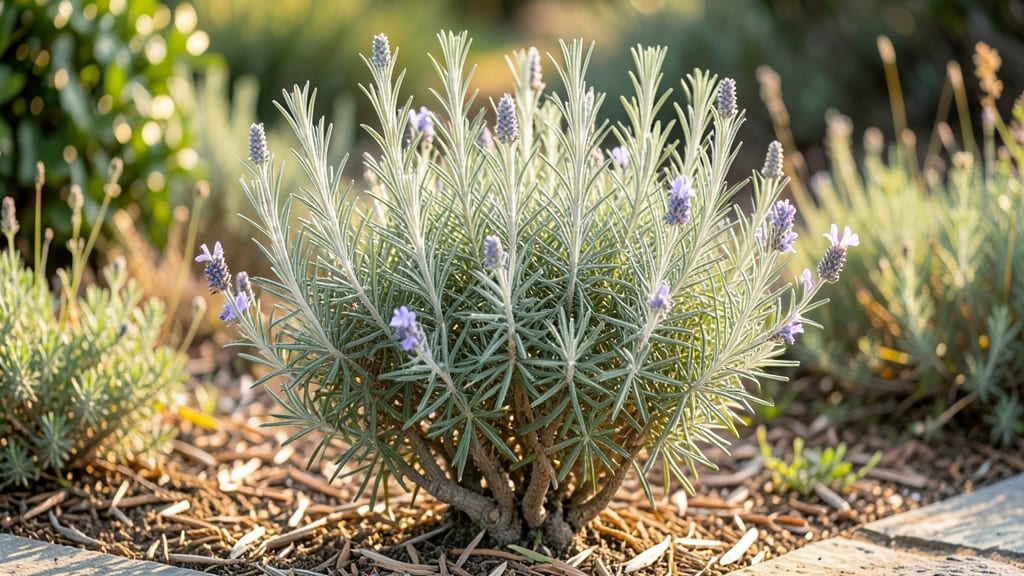
Wondering how tall your rosemary plant could grow? The answer might surprise you—this fragrant 🌿 herb can range from a compact 1-foot bush to a towering 6-foot shrub, depending on its variety and care.
For gardeners in USDA Zone 6a, rosemary thrives as both a shrub and an herb, making it incredibly versatile. Whether you're planting in spring or growing in containers, understanding its growth habits helps you choose the perfect spot—whether that's a sunny garden bed or a kitchen windowsill.
Some varieties stay naturally short, perfect for small spaces, while others grow tall and woody, ideal for hedges or privacy screens. The key to controlling its height lies in pruning and sunlight exposure, which we’ll break down to help you keep your rosemary at your desired size.
Ready to learn how to nurture your rosemary for the perfect height? Let’s dive into the factors that shape its growth and how you can guide it—whether you want a bushy herb garden staple or a striking landscape feature.


Rosemary plant height by variety: dwarf to giant species explained
Choosing the right rosemary variety is key if you want a compact herb garden or a tall aromatic shrub. Some types stay under 2 feet tall, perfect for windowsills, while others reach 6 feet, ideal for privacy hedges.
The difference often comes down to genetics and growing conditions, so let’s break down the most popular varieties and their mature heights.
I’ve grown rosemary for years, and I’ve learned that dwarf varieties like 'Blue Spires' stay under 2 feet, while standard types like 'Hill Hardy' can tower up to 6 feet.
Even within the same variety, height can vary based on pruning habits and sunlight exposure. That’s why I always recommend checking the specific variety’s growth habits before planting.
Here’s a quick height guide to help you visualize which rosemary will fit your space—whether it’s a container garden, herb spiral, or landscape border. The table below compares mature heights, growth habits, and best uses for each type.
If you’re working with limited space, dwarf varieties like 'Blue Spires' or 'Prostratus' are my top picks. They stay under 2 feet and thrive in containers, making them perfect for patios or balconies.
I once grew 'Blue Spires' in a 12-inch pot on my kitchen windowsill, and it produced fragrant sprigs all year long.
For larger gardens or privacy screens, tall varieties like 'Hill Hardy' or 'Tuscan Blue' are unbeatable. These can reach 6 feet or more, creating a woody, aromatic hedge that also attracts pollinators. Just be prepared for regular pruning to keep them manageable.
One variety that often surprises gardeners is 'Arp', which grows 2–3 feet tall but has a spreading habit. It’s a great middle-ground option for herb spirals or border plantings. I’ve seen it used in Mediterranean-style gardens alongside lavender and thyme, creating a stunning, fragrant display.
For unique looks, consider 'Golden Spires', which has variegated foliage and stays around 2–3 feet tall. It’s not just for show—its leaves are just as flavorful as standard rosemary.
If you love textural contrast in your garden, this variety adds a golden-yellow pop that pairs beautifully with dark-green herbs.
If you’re growing rosemary in containers, height is easier to control, but even then, some varieties will naturally outgrow their pots. For example, 'Huntington Carpet' stays low and spreads, making it ideal for hanging baskets or rock gardens.
I’ve used it to cover bare spots in my dry garden beds, and it thrives with almost no maintenance.
Remember, pruning plays a huge role in controlling height. Even tall varieties can be kept shorter with regular trims, while dwarf types may need occasional pinching to encourage bushiness.
I’ll cover pruning techniques in more detail later, but for now, just know that consistent care can adjust even the tallest rosemary to fit your space.
No matter which variety you choose, rosemary’s aromatic appeal and drought tolerance make it a winner for any garden. Whether you’re after a tiny windowsill herb or a towering landscape feature, there’s a rosemary perfect for your needs—and this guide helps
How growing conditions affect rosemary height: sunlight, pruning, and soil secrets
Rosemary’s height isn’t set in stone—it’s shaped by your growing conditions. Sunlight exposure is the biggest factor, with full sun (6+ hours daily) pushing plants toward their maximum height of 6 feet. In partial shade, rosemary stays shorter, often under 3 feet, but sacrifices fragrance and growth vigor.
This Mediterranean native thrives in USDA Zones 7-10, where it naturally grows tall, but even in cooler zones like 6a, proper care can coax it to reach impressive heights.
The soil you plant rosemary in also plays a surprising role. Well-draining, sandy soil mimics its native habitat and encourages upright, robust growth, while heavy clay soil can stunt its height and lead to root rot.
Container-grown rosemary, despite limited root space, can still hit 3-4 feet tall if given the right conditions—just use a pot with drainage holes and fast-draining potting mix. The key is replicating its natural environment as closely as possible.
- 🌞 Full Sun (6+ hrs/day): 4-6 ft mature height; vigorous, upright growth
- ☀️ Partial Sun (3-5 hrs/day): 2-3 ft max; slower growth, less fragrant
- 🪴 Containers (10"+ depth): 2-4 ft with regular pruning; root-bound plants grow slower
- 🌱 Well-draining soil: Encourages taller, woody stems (ideal for hedges)
- 💧 Overwatering: Stunts growth to under 2 ft; causes leggy, weak stems
- ✂️ Heavy pruning: Keeps plants at 1-2 ft; promotes bushier growth
Pruning isn’t just for shaping—it’s a growth regulator. When you prune rosemary regularly (every 4-6 weeks), you encourage it to branch out horizontally, creating a bushier, shorter plant. This works especially well for container gardening, where space is limited.
For landscape design, leaving rosemary unpruned lets it grow tall and woody, perfect for creating natural privacy screens or hedges. The secret is timing: prune after flowering in late spring to redirect energy into new, compact growth.
Climate also matters—rosemary in hot, dry climates (like Zone 9-10) grows faster and taller than in cooler zones. In Zone 6a, where winters dip below 0°F, rosemary may stay shorter unless you protect it with mulch or grow it in containers and bring it indoors.
Even in ideal conditions, rosemary’s height is a balance: too much water or shade slows growth, while perfect sunlight and pruning can turn a 1-foot dwarf into a 6-foot shrub within 3-4 years.
For container gardening, choose dwarf varieties like 'Blue Spires' or 'Prostratus,' which max out at 1-2 feet tall. These stay compact even without heavy pruning, making them ideal for patios or windowsills.
In garden beds, standard varieties like 'Arp' or 'Hill Hardy' can reach their full height, but annual pruning keeps them manageable. The beauty of rosemary is its adaptability—whether you want a low-growing border plant or a tall, fragrant hedge, the conditions are what you control.
Remember, rosemary’s height is a reflection of its care. Give it what it loves—sun, space, and occasional pruning—and it’ll reward you with the perfect size for your garden dreams. 🌿