
Plants
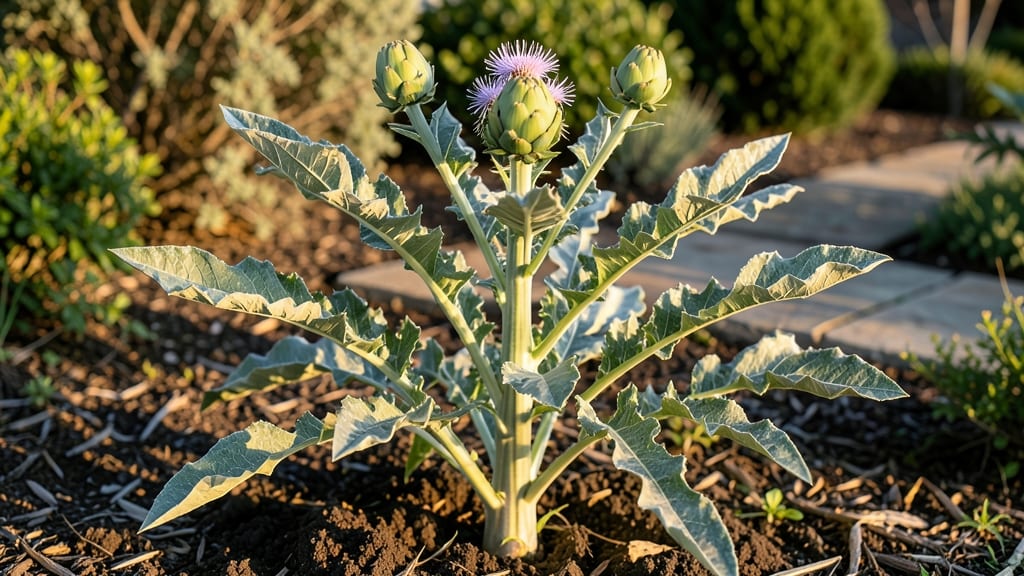
If you're dreaming of growing your own artichokes 🌱, you might be surprised by how tall an artichoke plant can grow—some varieties can reach a towering 6 feet or more!
But before you sketch out your garden layout, it’s worth knowing that height varies wildly depending on the type of artichoke you choose.
Globe artichokes, like the popular Green Globe variety, typically grow between 3 and 5 feet, while others, such as Romanesco, can stretch even taller. The key to managing their growth isn’t just about space—it’s also about sunlight, soil, and a little strategic pruning.
Whether you’re working with a small urban garden or a spacious backyard, understanding these height differences will help you plan for success. I’ll break down exactly which varieties stay compact and which need room to stretch, plus tips to keep them thriving without overcrowding your plot.
Ready to turn your garden into an artichoke haven? Let’s dive into the details so you can pick the perfect variety for your space—and your harvest goals.


Artichoke plant height by variety: from dwarf to giant types
Artichokes aren't just delicious—they're architectural stars in your garden! Their mature heights can vary dramatically depending on the variety you choose, with some reaching towering heights of 6 feet while others stay compact. Understanding these differences helps you plan your garden layout and avoid overcrowding.
For example, Green Globe is the classic choice for many home gardeners, but Romanesco can grow significantly taller, requiring more space to thrive.
When selecting artichoke varieties, consider both mature height and space requirements. Tall varieties like Imperial Star need ample room to prevent competition for sunlight and nutrients. Meanwhile, dwarf varieties like Violetto are perfect for small gardens or container growing.
Let’s break down the most popular types and their height ranges so you can pick the perfect fit for your space.
| Variety | Mature Height (ft) | Space Needs | Best For |
|---|---|---|---|
| Green Globe | 4-5 ft | 3-4 ft spacing | Home gardens, containers |
| Violetto | 3-4 ft | 2-3 ft spacing | Small gardens, pots |
| Romanesco | 5-6 ft | 4-5 ft spacing | Large gardens, trellises |
| Imperial Star | 6 ft | 5-6 ft spacing | Sprawling gardens |
| Globe White | 3-4 ft | 2-3 ft spacing | Small spaces, borders |
If you're growing Green Globe, the most popular variety, expect plants to reach 4-5 feet tall at maturity. This makes them ideal for medium-sized gardens where you can space them 3-4 feet apart to allow airflow and prevent disease.
Their compact size also makes them great for container growing, though you’ll need large pots (at least 18 inches in diameter) to accommodate their root systems.
The Violetto variety is a fantastic choice for smaller gardens or even balcony containers. These plants typically max out at 3-4 feet tall, making them perfect for urban gardeners with limited space.
Just ensure they get full sun exposure to encourage healthy growth and abundant harvests. Their purple-tinged buds add a striking visual element to your garden too!
For those with larger garden spaces, Romanesco artichokes are a showstopper. These varieties can grow up to 6 feet tall, requiring 4-5 feet of spacing between plants. Their striking, conical buds are a favorite among gardeners who love unique textures and flavors.
If you're growing Romanesco, consider using trellises or stakes to support their height and prevent them from flopping over in windy conditions.
If you're dreaming of giant artichokes, the Imperial Star variety is the way to go. These plants can reach 6 feet or taller, making them one of the tallest artichoke varieties available.
To accommodate their size, provide 5-6 feet of spacing and ensure they’re planted in well-draining soil rich in organic matter. Their large buds are perfect for those who love a dramatic garden statement!
For small-space gardening, Globe White artichokes are a great option. These plants stay on the shorter side, typically reaching 3-4 feet tall, and thrive in 2-3 feet of spacing.
Their white buds are a unique twist on traditional green artichokes and add a beautiful contrast to your garden. They’re also excellent for border plantings or as a focal point in mixed beds.
No matter which variety you choose, remember that proper spacing is key to preventing disease and ensuring healthy growth. Overcrowded artichoke plants compete for nutrients and sunlight, leading to smaller yields and weaker stems.
Always follow the spacing recommendations for your chosen variety and consider using mulch to retain moisture and suppress weeds.
Once you’ve planted your artichokes, monitor their growth closely. Tall varieties may benefit from staking or trellising to support their height, especially in windy areas. Regular pruning can also help control height and encourage bushier growth.
With the right variety and care, your artichoke plants will thrive and reward you with a bountiful harvest!
How to optimize space for tall artichoke plants in small gardens
Tall artichoke varieties like Romanesco or Imperial Star can easily reach 5-6 feet tall, making them challenging for small gardens. But with the right strategies, you can grow these impressive plants without sacrificing space or yield.
The key lies in vertical training, companion planting, and pruning techniques that encourage bushier growth while controlling height.
For me, the breakthrough came when I started using trellis systems combined with selective pruning. Not only did this free up valuable ground space, but it also improved air circulation, reducing the risk of fungal diseases that often plague dense artichoke foliage.
Let’s explore the most effective space-saving techniques that have worked in my own 4’x8’ raised beds.
- Vertical Trellising: Use 6-foot bamboo stakes or metal cages to train plants upward. Secure main stems with soft plant ties every 12 inches. This saves 70% of ground space while improving harvest access.
- Companion Planting: Pair artichokes with low-growing herbs like thyme or oregano at their base. These plants deter pests and thrive in the partial shade created by taller artichokes.
- Pruning for Bushiness: Pinch back top growth at 3 feet to encourage lateral branching. Remove only the terminal bud—never more than 1/3 of the plant—to maintain vigor.
- Container Growing: Use 18-inch deep pots with tomato cages for dwarf varieties like Green Globe. Place pots on elevated stands to create vertical layers in small spaces.
- Succession Planting: Harvest early varieties first, then replant fast-maturing types in the same space. This maximizes yield in tight areas without overcrowding.
When I first attempted trellising, I made the mistake of using wire cages that cut into the stems. Switching to soft fabric ties made all the difference—my Romanesco plants thrived with minimal stress. Always choose materials that won’t damage the delicate stems as they grow.
Another game-changer was integrating companion plants that benefit from the artichoke’s shade. In my garden, lettuce and radishes grow beautifully beneath the taller plants, creating a multi-level harvest system. This not only optimizes space but also extends my growing season by keeping the soil productive year-round.
For pruning tips, I’ve found that the best time to intervene is when plants reach 2-3 feet tall. At this stage, I remove the topmost set of leaves just above a leaf node.
This triggers the plant to produce secondary shoots from the sides, creating a bushier, more manageable structure. Always use sterilized pruners to prevent disease spread.
Remember, even in small gardens, artichokes can become stunning vertical accents while producing bountiful harvests. With these techniques, you’ll transform limited space into a high-yielding, organized oasis that makes growing tall varieties a breeze. 🌱✂️🪴